THE ADVENTURE COLLECTIVE® · Independent discovery and booking for outdoor travel

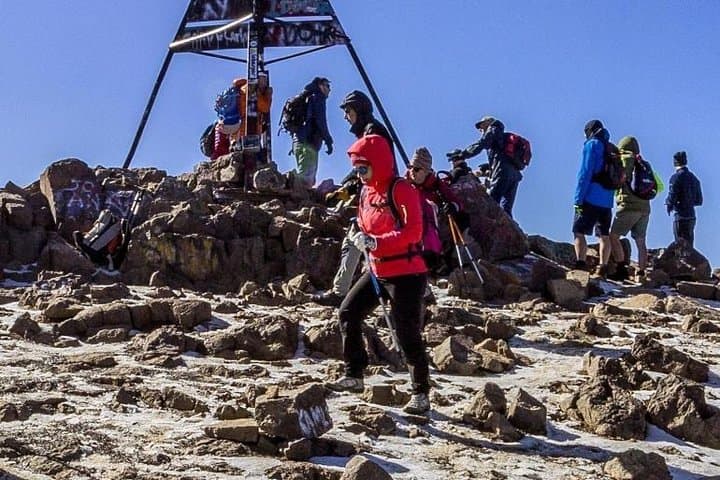
Summit North Africa’s highest peak on a shared 2-day trek from Marrakech. This practical itinerary moves from the Berber village of Imlil up to the Toubkal refuge and the 4,167 m summit—expect rocky trails, pre-dawn starts, and panoramic desert views.
Summit North Africa’s highest peak on a shared 2-day trek from Marrakech. This practical itinerary moves from the Berber village of Imlil up to the Toubkal refuge and the 4,167 m summit—expect rocky trails, pre-dawn starts, and panoramic desert views.
Dawn in the High Atlas feels immediate: a cold blue light slides into the valley as minivans wind away from Marrakech and the road drops into Imlil, where muleteers and guides wait beneath flat-roofed stone houses. You climb first through stepped fields and tamarisk-lined gullies, the village roofs shrinking behind you and the trail angling up through loose shale toward the refuge.
Verified experiences and guided adventures in the surrounding area.
Operated by Morocco Tours Services · Imlil, Marrakesh-Safi
Dawn in the High Atlas feels immediate: a cold blue light slides into the valley as minivans wind away from Marrakech and the road drops into Imlil, where muleteers and guides wait beneath flat-roofed stone houses. You climb first through stepped fields and tamarisk-lined gullies, the village roofs shrinking behind you and the trail angling up through loose shale toward the refuge.
Geologically the High Atlas is forged from uplifted sedimentary and volcanic rock; scree and boulder fields dominate above 3,000 m while terraced agriculture and dry-stone huts mark Amazigh (Berber) land use. The route passes small mountain shrines like Sidi Chamharouch and remote hamlets whose hospitality and tea rituals reflect centuries of transhumant life on these slopes.
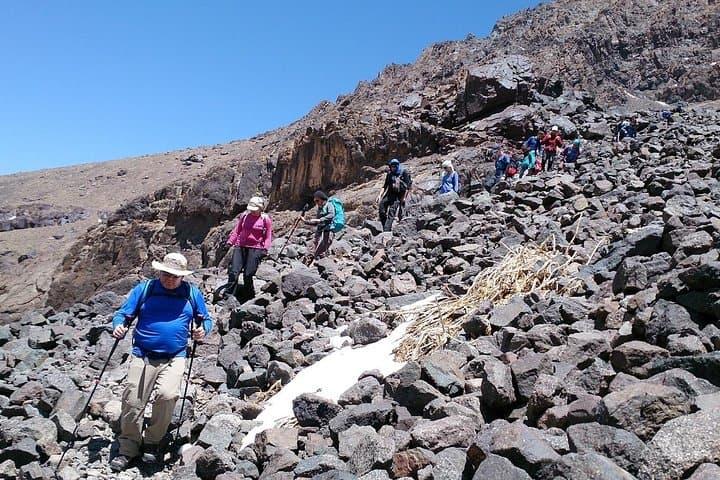
Expect a physical two-day push: Imlil starts at ~1,740 m, you sleep near 3,200 m, then summit Toubkal at 4,167 m. Terrain shifts from compact dirt track to steep, rocky switchbacks and loose talus near the top. Mule support handles baggage; guided groups move at steady, conservative paces to manage altitude.
Practical guidance: wake early for a pre-dawn summit start, layer for freezing pre-sun temperatures, and carry water and electrolytes—altitude increases exertion and thirst. Good ankle-support boots and trekking poles make the steep, rocky sections safer and quicker. If you’re prone to altitude issues, consider extra acclimatization days in Imlil or Marrakech before this shared 2-day itinerary.
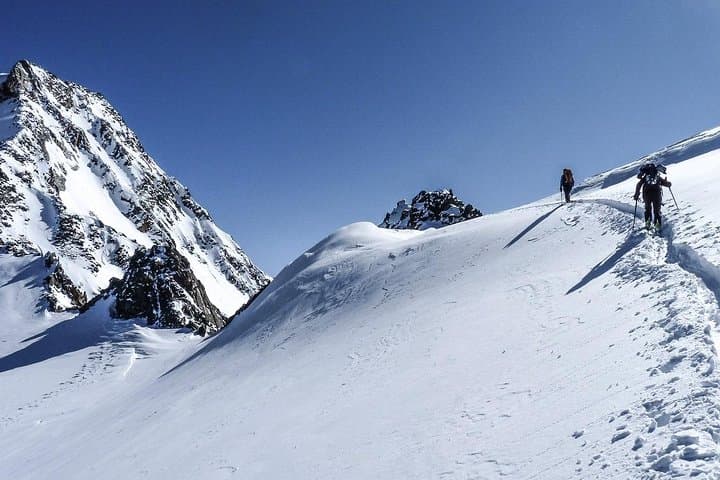
The climb rewards with broad panoramas toward the Sahara on clear days and a tangible sense of having crossed an ecological threshold from cultivated valleys into high alpine terrain.
challenging.
2 days.
Good aerobic fitness with prior multi-hour hiking experience; able to manage sustained uphill walking and altitude gain.
It’s a challenging, non-technical alpine trek with significant altitude gain; expect long uphill sections and loose rock—moderate to strong fitness recommended.
Yes—symptoms can occur above 2,500 m. Move slowly, hydrate, and notify guides if you feel headaches, nausea, or dizziness; they can adjust pace or descend.
Mule teams typically carry heavy bags; bring a small day pack with warm layers, water, snacks, documents and any medication for the summit push.
No technical climbing skills are required, but prior experience with long hikes and walking on rocky terrain at elevation is highly beneficial.
The High Atlas is traditional Amazigh territory; villages along the route retain centuries-old terrace farming and seasonal shepherding practices.
The alpine environment is fragile—stay on marked trails, pack out waste, and use local guides to support community-based tourism and reduce ecological impact.
Morocco Tours Services operates guided outdoor trips and adventures with an emphasis on safety, stewardship, and memorable experiences.
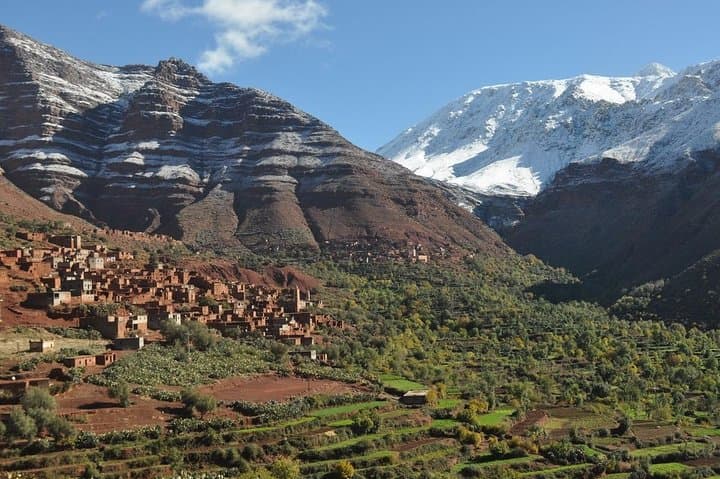
Dawn in the High Atlas feels immediate: a cold blue light slides into the valley as minivans wind away from Marrakech and the road drops into Imlil, where muleteers and guides wait beneath flat-roofed stone houses. You climb first through stepped fields and tamarisk-lined gullies, the village roofs shrinking behind you and the trail angling up through loose shale toward the refuge.
Dawn in the High Atlas feels immediate: a cold blue light slides into the valley as minivans wind away from Marrakech and the road drops into Imlil, where muleteers and guides wait beneath flat-roofed stone houses. You climb first through stepped fields and tamarisk-lined gullies, the village roofs shrinking behind you and the trail angling up through loose shale toward the refuge.
Geologically the High Atlas is forged from uplifted sedimentary and volcanic rock; scree and boulder fields dominate above 3,000 m while terraced agriculture and dry-stone huts mark Amazigh (Berber) land use. The route passes small mountain shrines like Sidi Chamharouch and remote hamlets whose hospitality and tea rituals reflect centuries of transhumant life on these slopes.
Expect a physical two-day push: Imlil starts at ~1,740 m, you sleep near 3,200 m, then summit Toubkal at 4,167 m. Terrain shifts from compact dirt track to steep, rocky switchbacks and loose talus near the top. Mule support handles baggage; guided groups move at steady, conservative paces to manage altitude.
Practical guidance: wake early for a pre-dawn summit start, layer for freezing pre-sun temperatures, and carry water and electrolytes—altitude increases exertion and thirst. Good ankle-support boots and trekking poles make the steep, rocky sections safer and quicker. If you’re prone to altitude issues, consider extra acclimatization days in Imlil or Marrakech before this shared 2-day itinerary.
The climb rewards with broad panoramas toward the Sahara on clear days and a tangible sense of having crossed an ecological threshold from cultivated valleys into high alpine terrain.