THE ADVENTURE COLLECTIVE® · Independent discovery and booking for outdoor travel

Two days of steady ascent from Imlil to the summit of Mt. Toubkal (4,167 m), with an overnight at the refuge and a local guide. Expect steep, rocky trails, high-altitude views over the Marrakech plain, and immersive encounters with Berber village life.
Two days of steady ascent from Imlil to the summit of Mt. Toubkal (4,167 m), with an overnight at the refuge and a local guide. Expect steep, rocky trails, high-altitude views over the Marrakech plain, and immersive encounters with Berber village life.
You set off before dawn from Marrakech and the road tightens into the packed-earth lanes of the Imlil Valley, houses of mud and stone receding as the High Atlas rises like a wall ahead. By mid-morning the path threads citrus terraces and gullies where cold streams dare you to cross; by evening you reach the Toubkal Refuge (3,207 m), a simple mountain shelter where the wind tests your gait and a hot meal rewards the climb.
Verified experiences and guided adventures in the surrounding area.
Operated by Marrakesh Tours by Mustapha · Imlil, Marrakech-Safi
You set off before dawn from Marrakech and the road tightens into the packed-earth lanes of the Imlil Valley, houses of mud and stone receding as the High Atlas rises like a wall ahead. By mid-morning the path threads citrus terraces and gullies where cold streams dare you to cross; by evening you reach the Toubkal Refuge (3,207 m), a simple mountain shelter where the wind tests your gait and a hot meal rewards the climb.
Geologically the High Atlas is young and rugged—folded by the African and Eurasian plates—so expect steep talus slopes and volcanic-tinged outcrops on the upper sections. Culturally, the trail passes Berber villages such as Aremd and the small shrine of Sidi Chamarouch where local traditions remain visible in dress and architecture; local guides typically share stories of seasonal transhumance and village life.
Practically: the itinerary gains roughly 1,467 m from Imlil (1,740 m) to the refuge over ~6 hours, then another ~960 m to the summit (4,167 m) on day two—expect a long 9–10 hour summit day. Trails are well-marked but steep, with loose rock near the summit; no technical climbing is required but good footing is essential. Acclimatize, carry 2–3 liters of water, layer for sudden cold and strong sun, and plan an early start from the refuge. Accommodation, meals, transfers from Marrakech, and local guiding are included—making this an efficient way to earn the highest view in North Africa while learning the mountain’s culture and terrain.
challenging.
2 days (approx. 10–12 hours on summit day).
Good cardiovascular fitness and prior day-hiking experience; able to sustain long ascents with a 10–15 kg pack.
It’s a challenging non-technical trek: steep, sustained uphill hiking with an overnight at 3,207 m and a summit day of 9–10 hours; good fitness is required.
No technical climbing skills are needed, but experience with long day hikes and uneven terrain is strongly recommended.
The Toubkal Refuge offers dormitory-style rooms with basic beds and shared facilities; meals are provided but comforts are simple.
Late spring to early autumn offers the most stable conditions; winter brings significant snow and requires alpine equipment and experience.
Toubkal has been a destination for local shepherds and explorers for centuries; the High Atlas region is home to Amazigh (Berber) communities whose history predates modern Morocco.
Trails are fragile; stick to established paths, pack out waste, and use local guides who support community-based tourism to minimize impact.
Marrakesh Tours by Mustapha operates guided outdoor trips and adventures with an emphasis on safety, stewardship, and memorable experiences.
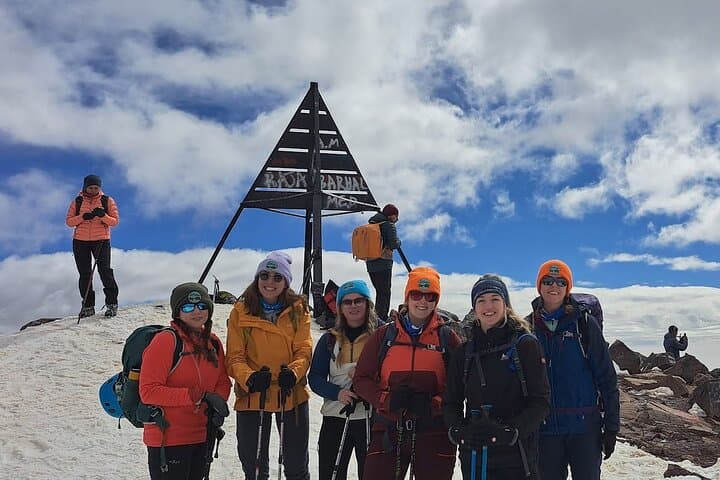
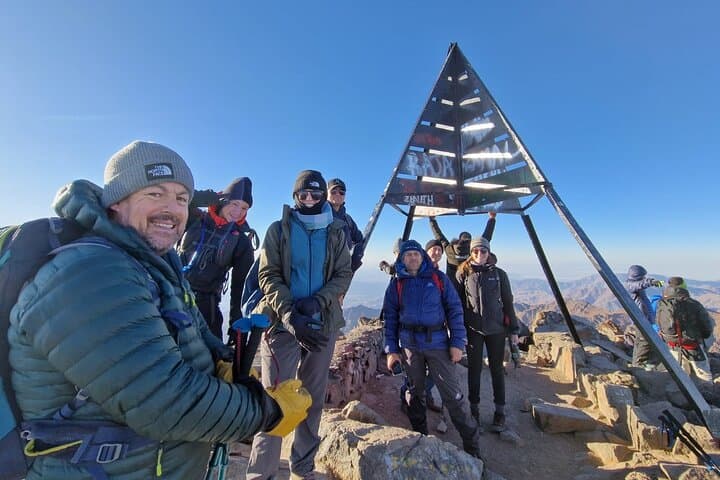
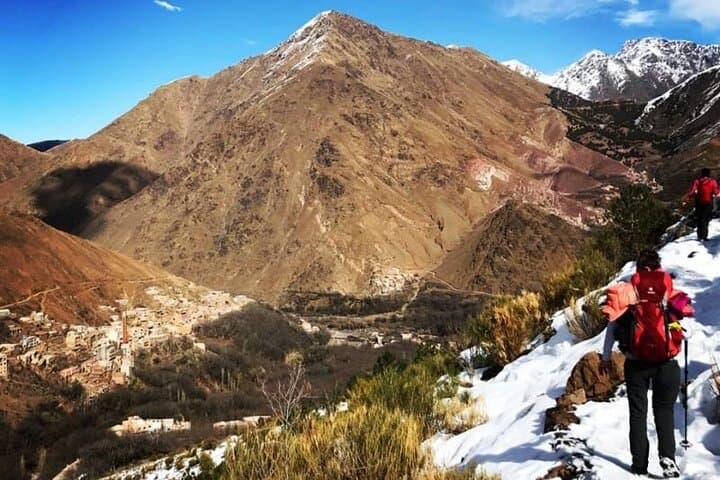
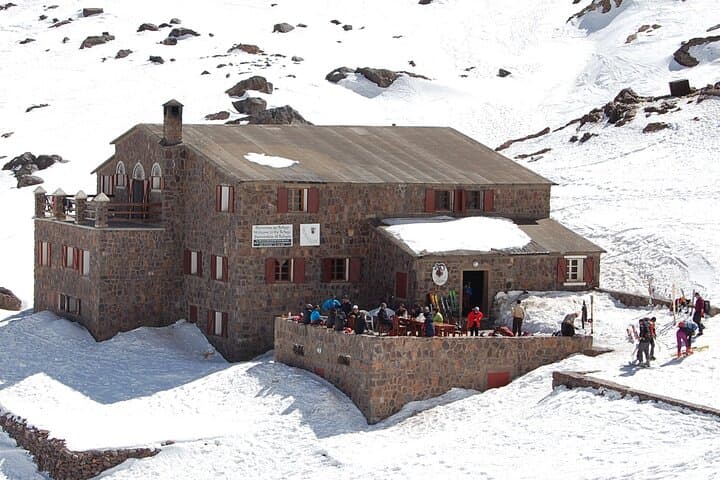
You set off before dawn from Marrakech and the road tightens into the packed-earth lanes of the Imlil Valley, houses of mud and stone receding as the High Atlas rises like a wall ahead. By mid-morning the path threads citrus terraces and gullies where cold streams dare you to cross; by evening you reach the Toubkal Refuge (3,207 m), a simple mountain shelter where the wind tests your gait and a hot meal rewards the climb.
You set off before dawn from Marrakech and the road tightens into the packed-earth lanes of the Imlil Valley, houses of mud and stone receding as the High Atlas rises like a wall ahead. By mid-morning the path threads citrus terraces and gullies where cold streams dare you to cross; by evening you reach the Toubkal Refuge (3,207 m), a simple mountain shelter where the wind tests your gait and a hot meal rewards the climb.
Geologically the High Atlas is young and rugged—folded by the African and Eurasian plates—so expect steep talus slopes and volcanic-tinged outcrops on the upper sections. Culturally, the trail passes Berber villages such as Aremd and the small shrine of Sidi Chamarouch where local traditions remain visible in dress and architecture; local guides typically share stories of seasonal transhumance and village life.
Practically: the itinerary gains roughly 1,467 m from Imlil (1,740 m) to the refuge over ~6 hours, then another ~960 m to the summit (4,167 m) on day two—expect a long 9–10 hour summit day. Trails are well-marked but steep, with loose rock near the summit; no technical climbing is required but good footing is essential. Acclimatize, carry 2–3 liters of water, layer for sudden cold and strong sun, and plan an early start from the refuge. Accommodation, meals, transfers from Marrakech, and local guiding are included—making this an efficient way to earn the highest view in North Africa while learning the mountain’s culture and terrain.