THE ADVENTURE COLLECTIVE® · Independent discovery and booking for outdoor travel

A two-day private trek from Marrakech to Mount Toubkal’s 4,167 m summit. Expect steep mule tracks, an overnight refuge, and a pre-dawn summit push with sweeping Atlas views—ideal for fit walkers prepared for altitude and mixed terrain.
A two-day private trek from Marrakech to Mount Toubkal’s 4,167 m summit. Expect steep mule tracks, an overnight refuge, and a pre-dawn summit push with sweeping Atlas views—ideal for fit walkers prepared for altitude and mixed terrain.
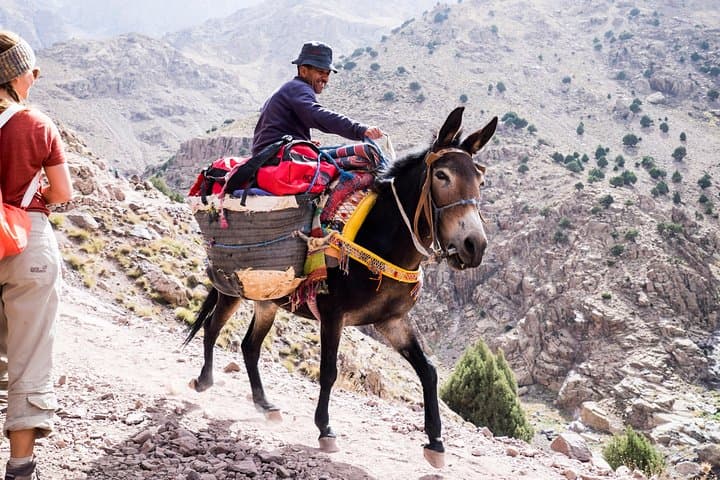
You leave Marrakech in pre-dawn light and the road unspools toward the High Atlas—olive terraces give way to stony gullies as the air sharpens and the first mules appear in Imlil.
Verified experiences and guided adventures in the surrounding area.
Operated by Toubkal Experience · Imlil, Marrakesh-Safi
You leave Marrakech in pre-dawn light and the road unspools toward the High Atlas—olive terraces give way to stony gullies as the air sharpens and the first mules appear in Imlil.
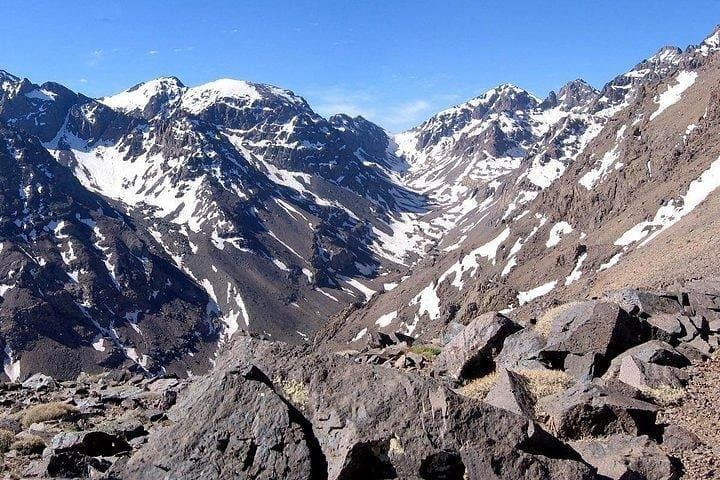
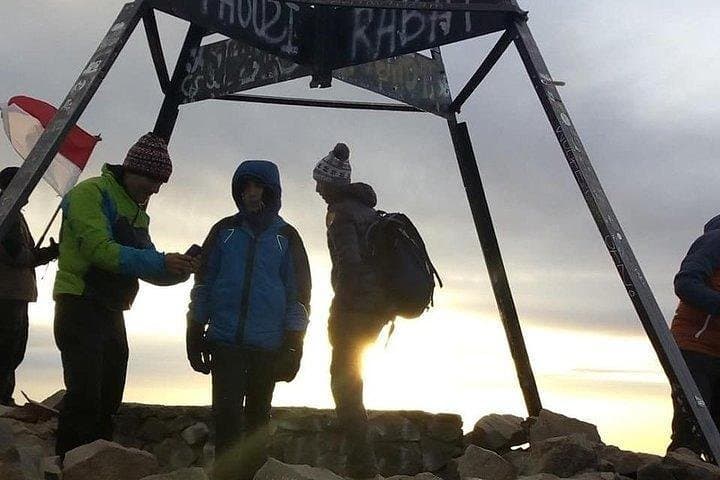
The first day’s march climbs from the village through Aroumd and past the Sidi Chamharouch shrine, following a steady mule track to the refuge. The second day begins around 4:30 a.m.; a zigzagging ascent, short rocky scrambles and a final exposed crest deliver you to Toubkal’s 4,167 m summit and wide views across the Atlas peaks and the plains below.
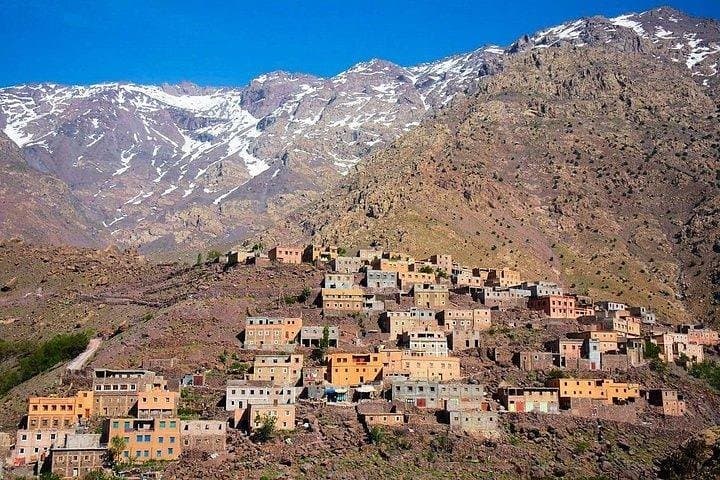
Geologically the High Atlas is young, uplifted by the African and Eurasian plates—rock changes quickly from metamorphic schist in lower valleys to high alpine scree near the summit. Culturally, the route threads Berber villages where local guides, cooks and muleteers continue traditional mountain life; the refuge system and mule logistics reflect long-standing local economies.
Practically: expect ~1,200–1,600 m elevation gain the first day over 4–6 hours and roughly 1,000 m gain on summit day with 6–8 hours including breaks. Terrain is trekking (non-technical) but can be snowy Nov–Apr; crampons and an ice axe are commonly used in winter. Hydrate, pace your ascent to acclimatize, and wear solid ankle-support boots; the refuge offers basic bunks and meals but bring warm layers for pre-dawn starts.
A guided, private two-day schedule makes the summit accessible to fit, experienced walkers—rewarding views, strong local support and a clear sense of mountain culture make this a compact but demanding High Atlas adventure.
challenging.
2 days.
Should be in good cardiovascular shape with experience on sustained uphill hikes and the ability to manage long days with elevation gain.
You need good aerobic fitness and experience with long uphill days—train with multi-hour hikes and elevation gain; guides expect participants to manage sustained effort.
No technical climbing is required for the normal route; however, basic snow travel skills (crampons/ice axe) are needed in winter and a guide provides instruction.
Refuge accommodation is basic: shared dormitory bunks, communal meals prepared by the cook, and simple facilities—bring an insulating sleeping liner for comfort.
Yes, but conditions vary: summer is dry and warmer; winter has snow and requires proper winter gear and experience or a guided party with technical equipment.
Toubkal sits in the High Atlas where Berber communities have used these passes for centuries; local muleteers and refuges reflect longstanding mountain livelihoods.
The alpine zone is fragile—stay on trails, pack out waste, respect grazing areas and support local guides who practice low-impact camping.
Toubkal Experience operates guided outdoor trips and adventures with an emphasis on safety, stewardship, and memorable experiences.
You leave Marrakech in pre-dawn light and the road unspools toward the High Atlas—olive terraces give way to stony gullies as the air sharpens and the first mules appear in Imlil.
You leave Marrakech in pre-dawn light and the road unspools toward the High Atlas—olive terraces give way to stony gullies as the air sharpens and the first mules appear in Imlil.
The first day’s march climbs from the village through Aroumd and past the Sidi Chamharouch shrine, following a steady mule track to the refuge. The second day begins around 4:30 a.m.; a zigzagging ascent, short rocky scrambles and a final exposed crest deliver you to Toubkal’s 4,167 m summit and wide views across the Atlas peaks and the plains below.
Geologically the High Atlas is young, uplifted by the African and Eurasian plates—rock changes quickly from metamorphic schist in lower valleys to high alpine scree near the summit. Culturally, the route threads Berber villages where local guides, cooks and muleteers continue traditional mountain life; the refuge system and mule logistics reflect long-standing local economies.
Practically: expect ~1,200–1,600 m elevation gain the first day over 4–6 hours and roughly 1,000 m gain on summit day with 6–8 hours including breaks. Terrain is trekking (non-technical) but can be snowy Nov–Apr; crampons and an ice axe are commonly used in winter. Hydrate, pace your ascent to acclimatize, and wear solid ankle-support boots; the refuge offers basic bunks and meals but bring warm layers for pre-dawn starts.
A guided, private two-day schedule makes the summit accessible to fit, experienced walkers—rewarding views, strong local support and a clear sense of mountain culture make this a compact but demanding High Atlas adventure.