THE ADVENTURE COLLECTIVE® · Independent discovery and booking for outdoor travel

A brisk two-day itinerary that moves from Marrakech into the High Atlas for a pre-dawn summit of Jebel Toubkal (4,167 m). Expect mule support, a mountain refuge night, and steep alpine trails with panoramic views.
A brisk two-day itinerary that moves from Marrakech into the High Atlas for a pre-dawn summit of Jebel Toubkal (4,167 m). Expect mule support, a mountain refuge night, and steep alpine trails with panoramic views.
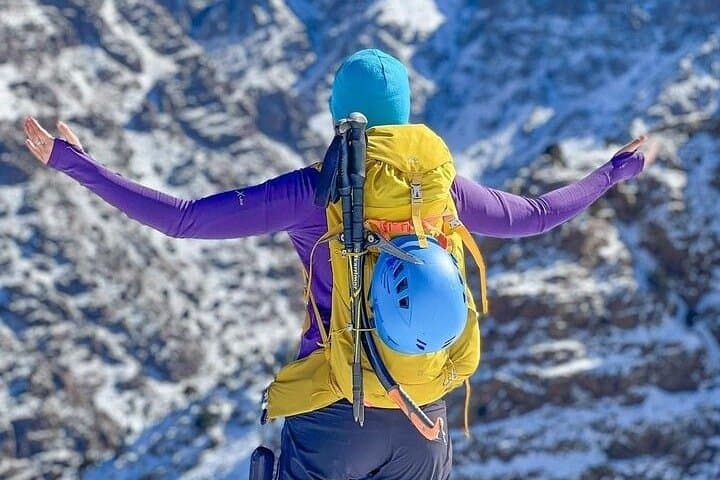
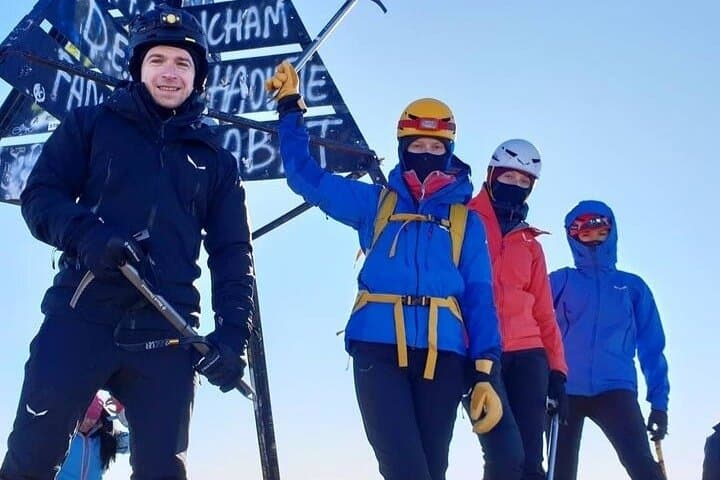
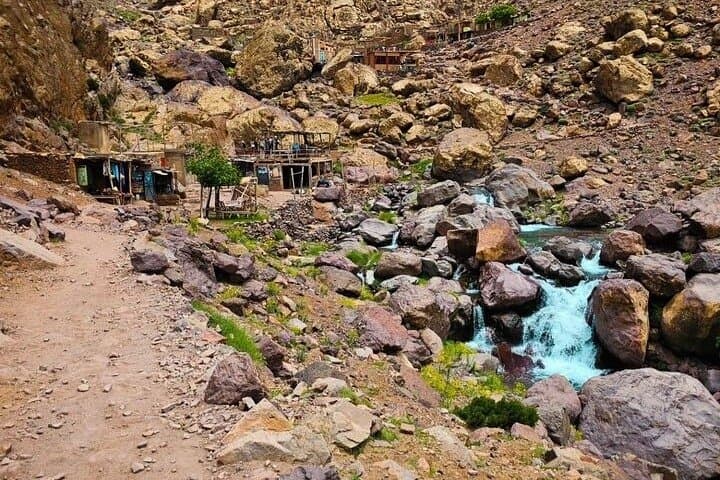
Dawn finds the minibus threading out of Marrakech and into a narrowing valley where walnut trees and stone terraces press close to the road. By mid-morning you step into the Ait Mizane valley: a mule track slopes upward past Berber hamlets, the air thinning with every switchback. At the mountain refuge you drop your pack, watch stars fade, then set off before first light for the final push to Jebel Toubkal’s 4,167 m summit.
Verified experiences and guided adventures in the surrounding area.
Operated by Amazouz Morocco Tours · Imlil, Marrakesh-Safi
Dawn finds the minibus threading out of Marrakech and into a narrowing valley where walnut trees and stone terraces press close to the road. By mid-morning you step into the Ait Mizane valley: a mule track slopes upward past Berber hamlets, the air thinning with every switchback. At the mountain refuge you drop your pack, watch stars fade, then set off before first light for the final push to Jebel Toubkal’s 4,167 m summit.
The High Atlas is a young, uplifted range of folded sedimentary rock carved by snow and seasonal streams. Villages here are traditionally Berber — Amazigh communities with distinct dialects and homestead hospitality that still depend on terraced farming and seasonal grazing. Guides on this route are often local and use mule teams to carry gear; the refuge and village guesthouses offer a straightforward mountain night rather than luxury.
Expect two full days of varied terrain: rocky trails, scree slopes near the top, and steeper ascents that demand steady pacing. Typical elevation gain from the refuge to the summit is about 900–1,000 m; total hiking time across both days runs roughly 8–12 hours depending on group pace and conditions. Plan for high‑altitude weather swings — sun, wind and sudden snow are all possible outside mid‑summer.
Practical notes: bring layered clothing, a headlamp for pre-dawn starts, and footwear with secure tread for scree. Hydrate early, eat frequently, and keep a flexible schedule — summit success often comes down to pacing, weather windows, and respectful cooperation with your guide and mule team.
challenging.
2 days (≈8–12 hours hiking total).
Should be in good cardiovascular shape with experience on sustained uphill hikes; comfortable with repeated ascents and descents.
The standard 2-day itinerary is challenging but achievable for moderately fit hikers; the summit day typically involves 900–1,200 m of ascent from the refuge and can be physically demanding due to altitude.
No technical climbing gear is required for the normal route—sturdy boots, poles, and warm layers are the essentials; crampons may be necessary in winter conditions.
While formal acclimatization days aren’t part of the 2-day plan, spending time in Imlil and moving slowly on ascent helps; acknowledge symptoms of altitude sickness and inform your guide immediately if you feel unwell.
Many operators include mule support for baggage and some gear; confirm with the provider whether personal items or full packs must be carried by the trekker.
Toubkal has been a cultural landmark for the Amazigh (Berber) communities of the High Atlas for centuries and became a mountaineering objective in the early 20th century as European climbers explored North Africa.
Tourism supports local economies but also stresses water and grazing resources; stick to trails, pack out waste, and favor local guides and family-run guesthouses to minimize impacts.
Amazouz Morocco Tours operates guided outdoor trips and adventures with an emphasis on safety, stewardship, and memorable experiences.

Dawn finds the minibus threading out of Marrakech and into a narrowing valley where walnut trees and stone terraces press close to the road. By mid-morning you step into the Ait Mizane valley: a mule track slopes upward past Berber hamlets, the air thinning with every switchback. At the mountain refuge you drop your pack, watch stars fade, then set off before first light for the final push to Jebel Toubkal’s 4,167 m summit.
Dawn finds the minibus threading out of Marrakech and into a narrowing valley where walnut trees and stone terraces press close to the road. By mid-morning you step into the Ait Mizane valley: a mule track slopes upward past Berber hamlets, the air thinning with every switchback. At the mountain refuge you drop your pack, watch stars fade, then set off before first light for the final push to Jebel Toubkal’s 4,167 m summit.
The High Atlas is a young, uplifted range of folded sedimentary rock carved by snow and seasonal streams. Villages here are traditionally Berber — Amazigh communities with distinct dialects and homestead hospitality that still depend on terraced farming and seasonal grazing. Guides on this route are often local and use mule teams to carry gear; the refuge and village guesthouses offer a straightforward mountain night rather than luxury.
Expect two full days of varied terrain: rocky trails, scree slopes near the top, and steeper ascents that demand steady pacing. Typical elevation gain from the refuge to the summit is about 900–1,000 m; total hiking time across both days runs roughly 8–12 hours depending on group pace and conditions. Plan for high‑altitude weather swings — sun, wind and sudden snow are all possible outside mid‑summer.
Practical notes: bring layered clothing, a headlamp for pre-dawn starts, and footwear with secure tread for scree. Hydrate early, eat frequently, and keep a flexible schedule — summit success often comes down to pacing, weather windows, and respectful cooperation with your guide and mule team.