THE ADVENTURE COLLECTIVE® · Independent discovery and booking for outdoor travel

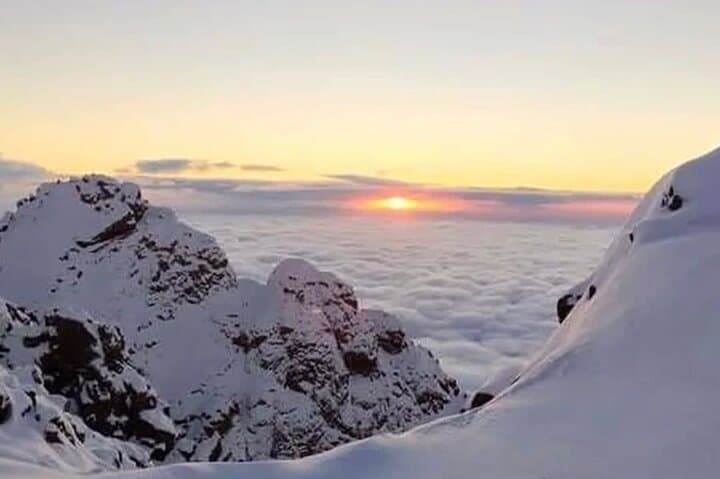
A rapid, guided ascent of Mount Toubkal from Marrakech—two days from Imlil to a 4,167 m summit with an overnight at the mountain refuge. Expect steep rocky trails, close Berber village encounters, and sunrise views above the High Atlas.
A rapid, guided ascent of Mount Toubkal from Marrakech—two days from Imlil to a 4,167 m summit with an overnight at the mountain refuge. Expect steep rocky trails, close Berber village encounters, and sunrise views above the High Atlas.
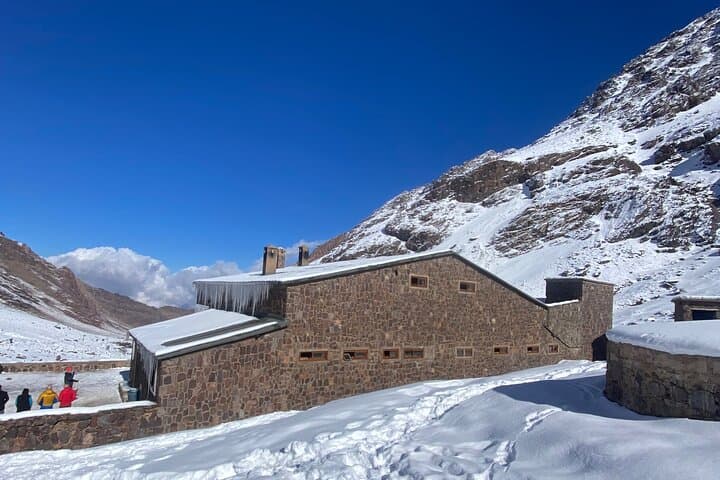
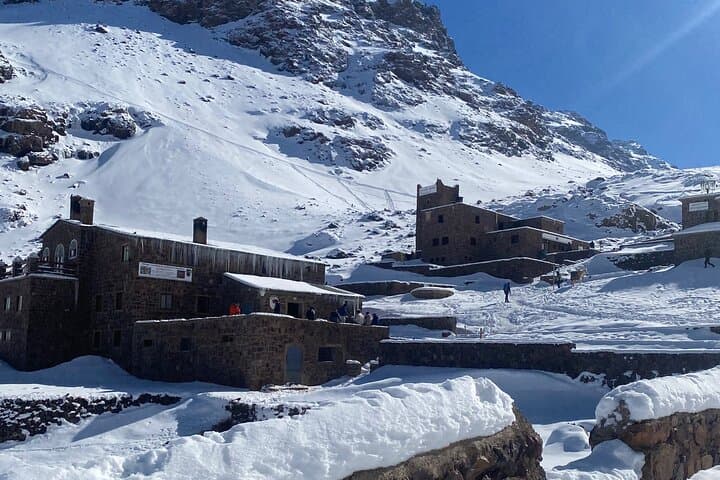
You leave Marrakech before dawn, the city’s heat giving way to the cool blue of the High Atlas as the road unwinds toward Imlil. Villages appear as stone clusters on the slopes, and a mule team waits to shoulder packs up a trail that climbs through almond groves and rocky gullies. By late afternoon you reach the Toubkal Refuge at roughly 3,207 m, where wind and sky stage a constant conversation.
Verified experiences and guided adventures in the surrounding area.
Operated by Mansour Travel Tours · Imlil, Marrakesh-Safi
You leave Marrakech before dawn, the city’s heat giving way to the cool blue of the High Atlas as the road unwinds toward Imlil. Villages appear as stone clusters on the slopes, and a mule team waits to shoulder packs up a trail that climbs through almond groves and rocky gullies. By late afternoon you reach the Toubkal Refuge at roughly 3,207 m, where wind and sky stage a constant conversation.
This ridge is part of the High Atlas, a young mountain range raised by the collision of the African and Eurasian plates; its dark granite and schist were carved by former glaciers and now throw sharp shadows at sunrise. The valley villages are Berber communities with centuries-old traditions of hospitality — local guides and muleteers maintain routes and refuges that have supported climbers for decades.
Practical eye: expect 6–8 km and about 1,400 m of ascent from Imlil to the refuge on day one, then roughly 5–7 km and ~960 m to the summit (4,167 m) on day two, mostly on rocky, sometimes loose trails. Early starts are required for a safe summit window; altitude can be the limiting factor not the gradient.
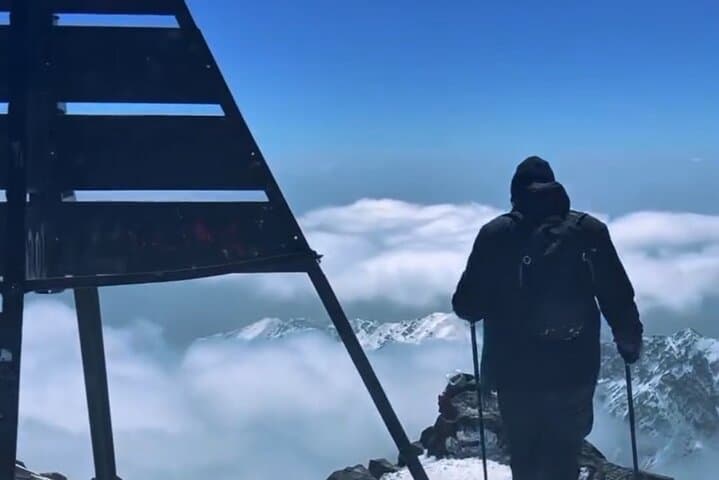
Bring layered insulation, solid boots and poles, and plenty of water; acclimatize if you can. The trek mixes cultural contact with alpine exposure — the landscape will push you to move deliberately, and the summit rewards with sweeping northern and southern Atlas panoramas that make every hard step sensible.
challenging.
2 days (approx. 10–12 hours trekking total).
Good aerobic fitness for sustained uphill hiking and working at altitude; comfortable with full-day efforts.
The route is non-technical but physically demanding due to sustained elevation gain and altitude; expect steep sections and loose rock—good fitness and early starts are key.
Yes — the overnight to the refuge (3,207 m) helps, but anyone feeling severe headache, dizziness, or vomiting should descend and seek help immediately.
Yes — this tour typically includes a mule to transport luggage to the refuge, leaving you to hike with a light daypack.
The Toubkal Refuge is a basic mountain hut with dormitory-style sleeping, communal meals, and simple facilities—bring a warm sleeping layer and expect rustic conditions.
The High Atlas has been inhabited by Berber communities for millennia; Jebel Toubkal has long been a local landmark and became popular with European climbers in the early 20th century.
The area faces pressure from increased trekking traffic and waste at high camps; use established trails, pack out trash, and respect local water sources to reduce impact.
Mansour Travel Tours operates guided outdoor trips and adventures with an emphasis on safety, stewardship, and memorable experiences.
You leave Marrakech before dawn, the city’s heat giving way to the cool blue of the High Atlas as the road unwinds toward Imlil. Villages appear as stone clusters on the slopes, and a mule team waits to shoulder packs up a trail that climbs through almond groves and rocky gullies. By late afternoon you reach the Toubkal Refuge at roughly 3,207 m, where wind and sky stage a constant conversation.
You leave Marrakech before dawn, the city’s heat giving way to the cool blue of the High Atlas as the road unwinds toward Imlil. Villages appear as stone clusters on the slopes, and a mule team waits to shoulder packs up a trail that climbs through almond groves and rocky gullies. By late afternoon you reach the Toubkal Refuge at roughly 3,207 m, where wind and sky stage a constant conversation.
This ridge is part of the High Atlas, a young mountain range raised by the collision of the African and Eurasian plates; its dark granite and schist were carved by former glaciers and now throw sharp shadows at sunrise. The valley villages are Berber communities with centuries-old traditions of hospitality — local guides and muleteers maintain routes and refuges that have supported climbers for decades.
Practical eye: expect 6–8 km and about 1,400 m of ascent from Imlil to the refuge on day one, then roughly 5–7 km and ~960 m to the summit (4,167 m) on day two, mostly on rocky, sometimes loose trails. Early starts are required for a safe summit window; altitude can be the limiting factor not the gradient.
Bring layered insulation, solid boots and poles, and plenty of water; acclimatize if you can. The trek mixes cultural contact with alpine exposure — the landscape will push you to move deliberately, and the summit rewards with sweeping northern and southern Atlas panoramas that make every hard step sensible.