THE ADVENTURE COLLECTIVE® · Independent discovery and booking for outdoor travel

A rapid, guided two-day ascent of Mount Toubkal from Marrakech: overnight at the high refuge then a pre-dawn summit push to Morocco’s highest point. Expect steep, rocky trails, Berber villages, and sweeping high-Atlas views.
A rapid, guided two-day ascent of Mount Toubkal from Marrakech: overnight at the high refuge then a pre-dawn summit push to Morocco’s highest point. Expect steep, rocky trails, Berber villages, and sweeping high-Atlas views.
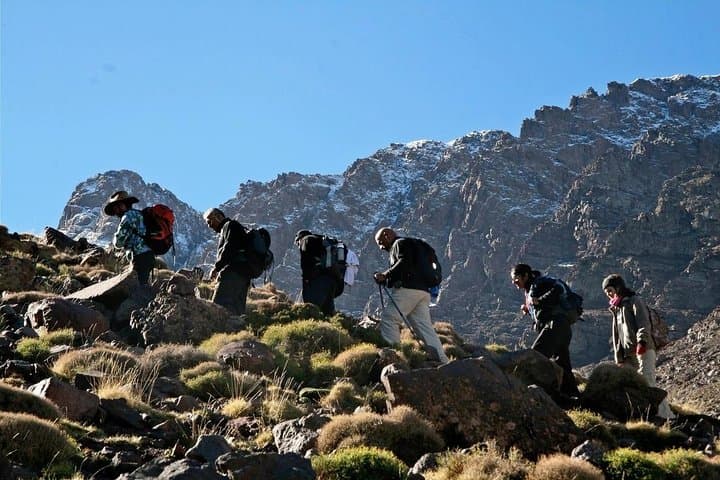
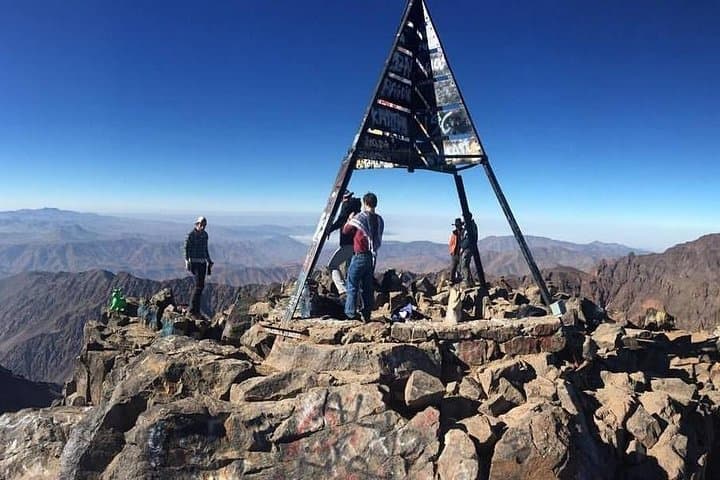
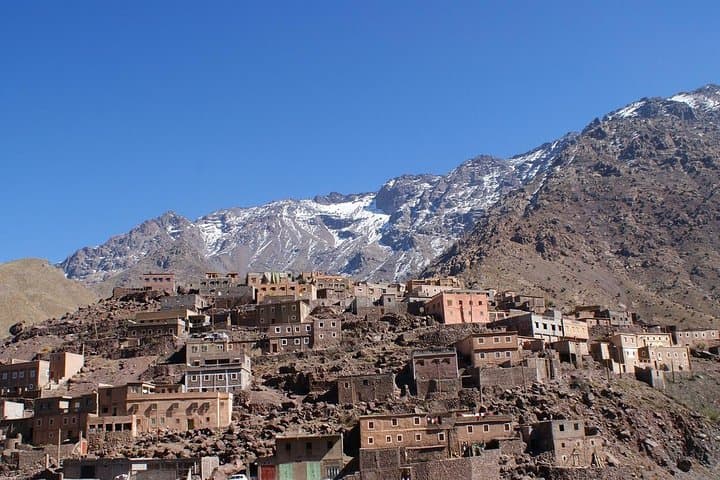
Dawn breaks over the High Atlas and the path up from Imlil threads through terraces and walnut trees, the air cool and the trail already stirring with muleteers packing gear. By late morning the valley narrows; stone settlements watch the route like old guards. The refuge at 3,207 m perches under a ragged skyline—one night's sleep, then the early push to 4,167 m.
Verified experiences and guided adventures in the surrounding area.
Operated by Smart Morocco Tours Excursions · Imlil, Marrakech-Safi
Dawn breaks over the High Atlas and the path up from Imlil threads through terraces and walnut trees, the air cool and the trail already stirring with muleteers packing gear. By late morning the valley narrows; stone settlements watch the route like old guards. The refuge at 3,207 m perches under a ragged skyline—one night's sleep, then the early push to 4,167 m.
Toubkal sits at the heart of the High Atlas, a range lifted by tectonic collision that carved steep ridges, glacial bowls and long drainage lines. Local Berber (Amazigh) villages have used these passes for centuries; Sidi Chamharouch remains an active pilgrimage and meeting point on the trail. The trek is more cultural passage than a technical climb—mules, guides and mountain huts keep logistics simple while you experience traditional hospitality.
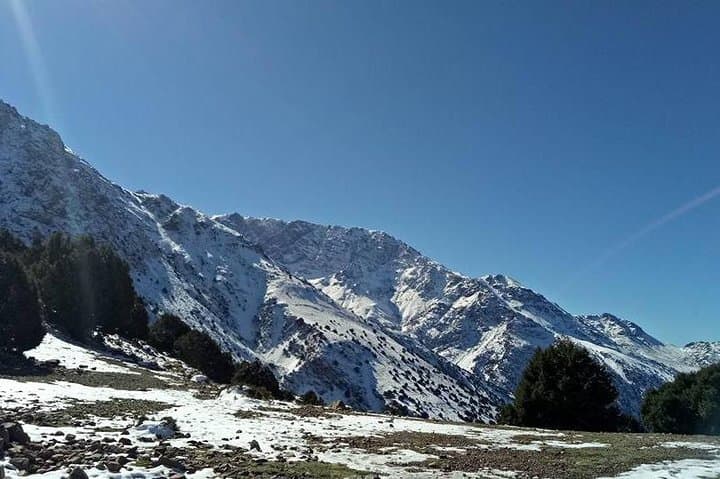
Expect two solid days of hiking: roughly 5–6 hours to the refuge with about 1,450 m of gain from Imlil, then a pre-dawn 4–6 hour summit push (≈960 m up from the hut) followed by descent back to the valley. Terrain is rocky and often loose; winter adds snow and ice. Weather changes fast—sun can push afternoons into heat while nights drop into single digits even in summer.
Practical guidance: start very early on summit day, use trekking poles for the steep, stony sections, carry layered clothing and at least 2–3 liters of water, and pace for altitude—slow, steady walking beats sprinting. Respect trails, pack out waste, and let muleteers handle heavy loads if possible. With basic fitness and the right gear, this two-day itinerary delivers panoramic peaks, valley culture and a true high-Atlas ascent.
challenging.
2 days.
Good cardiovascular fitness and experience with sustained uphill hiking; able to carry a daypack and hike 5–8 hours with elevation gain.
You should have regular hiking experience and be comfortable with 5–8 hour days and sustained elevation gain; basic cardio training (hiking, running, cycling) beforehand helps.
No technical climbing gear is needed on the normal route—sturdy boots and poles are sufficient; crampons/ice axe may be needed in winter conditions and will be arranged if required.
This itinerary includes quick ascent profiles; if you’re sensitive to altitude, arrive in Marrakech a few days early or request a gentler schedule—monitor symptoms and descend if necessary.
Typical inclusions: transport from Marrakech, local guide, refuge accommodation, meals, and mule support. Bring personal layers, water bottle, headlamp, personal medications, and a small daypack.
The High Atlas has been home to Amazigh (Berber) communities for centuries; mountain passes and seasonal valleys shaped local trade and pastoralism, while modern trekking routes grew in the 20th century.
The fragile alpine environment is vulnerable to erosion and litter; stick to established paths, minimize single-use plastics, and support local guides and muleteers to reduce impact.
Smart Morocco Tours Excursions operates guided outdoor trips and adventures with an emphasis on safety, stewardship, and memorable experiences.
Dawn breaks over the High Atlas and the path up from Imlil threads through terraces and walnut trees, the air cool and the trail already stirring with muleteers packing gear. By late morning the valley narrows; stone settlements watch the route like old guards. The refuge at 3,207 m perches under a ragged skyline—one night's sleep, then the early push to 4,167 m.
Dawn breaks over the High Atlas and the path up from Imlil threads through terraces and walnut trees, the air cool and the trail already stirring with muleteers packing gear. By late morning the valley narrows; stone settlements watch the route like old guards. The refuge at 3,207 m perches under a ragged skyline—one night's sleep, then the early push to 4,167 m.
Toubkal sits at the heart of the High Atlas, a range lifted by tectonic collision that carved steep ridges, glacial bowls and long drainage lines. Local Berber (Amazigh) villages have used these passes for centuries; Sidi Chamharouch remains an active pilgrimage and meeting point on the trail. The trek is more cultural passage than a technical climb—mules, guides and mountain huts keep logistics simple while you experience traditional hospitality.
Expect two solid days of hiking: roughly 5–6 hours to the refuge with about 1,450 m of gain from Imlil, then a pre-dawn 4–6 hour summit push (≈960 m up from the hut) followed by descent back to the valley. Terrain is rocky and often loose; winter adds snow and ice. Weather changes fast—sun can push afternoons into heat while nights drop into single digits even in summer.
Practical guidance: start very early on summit day, use trekking poles for the steep, stony sections, carry layered clothing and at least 2–3 liters of water, and pace for altitude—slow, steady walking beats sprinting. Respect trails, pack out waste, and let muleteers handle heavy loads if possible. With basic fitness and the right gear, this two-day itinerary delivers panoramic peaks, valley culture and a true high-Atlas ascent.