THE ADVENTURE COLLECTIVE® · Independent discovery and booking for outdoor travel

A compact, guided ascent to Mount Toubkal from Imlil that combines an overnight in the high refuge with a summit push to 4,167 m. Expect long hiking days, varied alpine terrain, and rich Berber valley culture.
A compact, guided ascent to Mount Toubkal from Imlil that combines an overnight in the high refuge with a summit push to 4,167 m. Expect long hiking days, varied alpine terrain, and rich Berber valley culture.
You step out of Imlil before dawn and the High Atlas exhales cold, thin air that seems to push you forward. Footsteps and headlamps mark a snaking line up scree and rock; the Toubkal massif looms like a raw cathedral, granite faces weathered by centuries of wind and snow.
Verified experiences and guided adventures in the surrounding area.
Operated by Trek Toubkal · Imlil, Marrakesh-Safi
You step out of Imlil before dawn and the High Atlas exhales cold, thin air that seems to push you forward. Footsteps and headlamps mark a snaking line up scree and rock; the Toubkal massif looms like a raw cathedral, granite faces weathered by centuries of wind and snow.
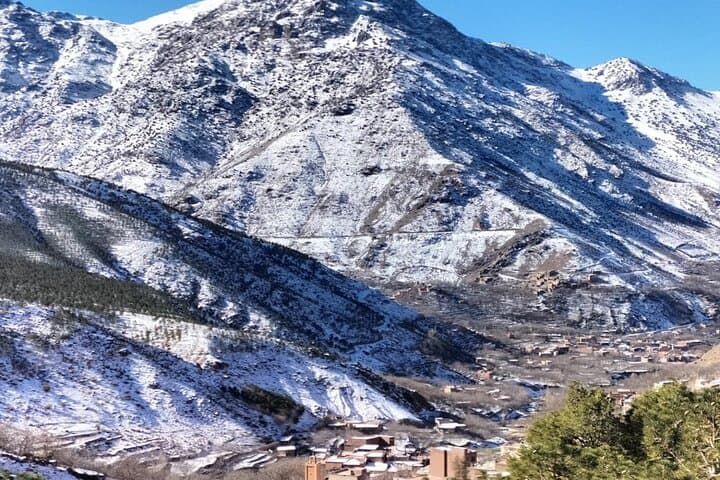
This two-day itinerary threads local Berber villages, waterfall gullies and the high refuge—an overnight at roughly 3,200 m that sets you up for a pre-dawn summit push to 4,167 m. Geologically the range is young folded rock, carved by glaciation into sharp ridgelines; culturally the valley is defined by Ait Mizane and Ait Aissa communities whose terraced fields and stone homes reflect centuries of mountain life. Sidi Chamharouch, a small pilgrimage site, punctuates the approach with prayer flags and mountain lore.
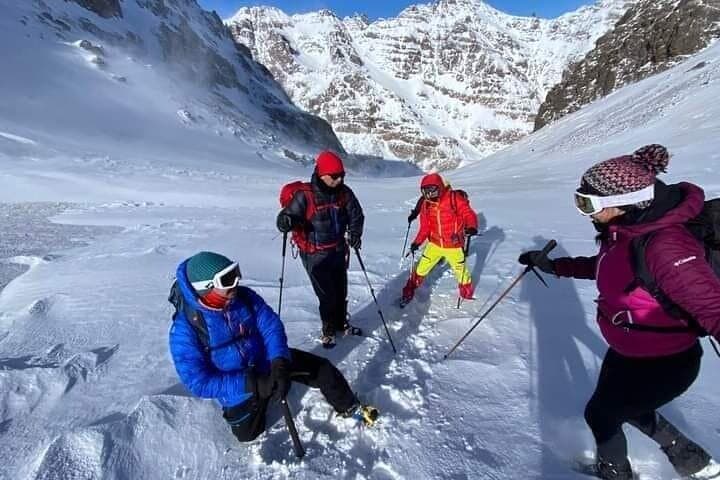
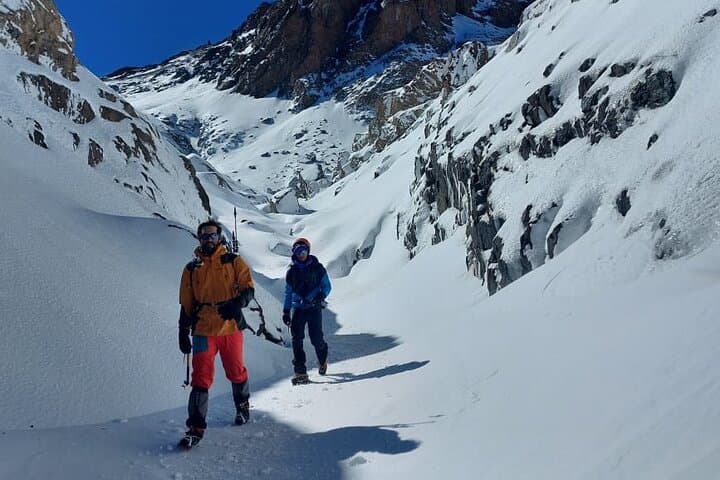
Expect varied terrain: mule tracks, steep scree slopes, short sections of loose rock and at times snow or ice depending on season. The refuge provides basic shelter and communal meals; the summit day is long—often 8+ hours of alpine-style hiking from refuge and back.
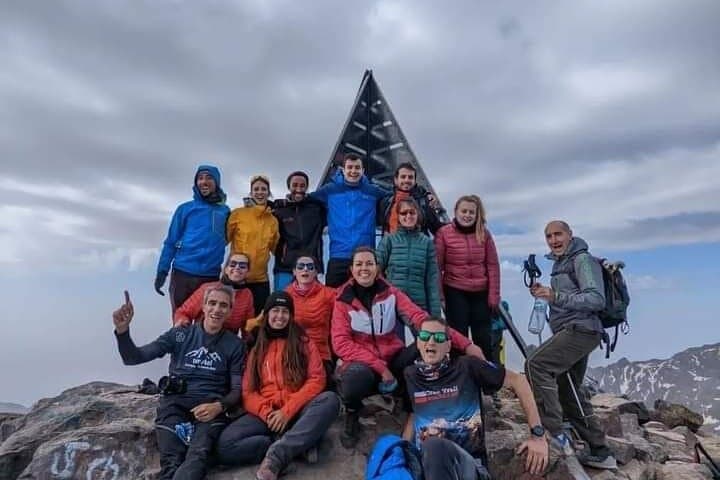
Practical guidance: train with long hikes and altitude exposure, use sturdy boots and trekking poles, and pace conservatively on the upper slopes. Hydrate and layer for rapid temperature swings—sun at lower elevations, strong wind near the summit. Guides handle navigation and logistics; bring a personal water filter, headlamp, and a warm down layer for pre-dawn starts. With preparation this two-day climb is a compact, demanding and deeply rewarding way to stand atop North Africa.
challenging.
2 days (approx. 48 hours).
Good aerobic fitness with experience on long day-hikes and sustained ascents; able to carry a 6–10 kg daypack.
The summit day is long and strenuous—expect 6–9 hours round trip from the refuge with steep, high-elevation hiking; pace yourself and follow your guide's rhythm.
No technical climbing gear is normally required in summer; in winter crampons and an ice axe may be needed and guides will provide or advise accordingly.
The Toubkal refuge offers communal dormitory-style sleeping on mattresses or bunks; bring a lightweight sleeping liner for hygiene and extra warmth.
This trip is not recommended for travelers with poor cardiovascular health—consult your doctor, and disclose any conditions when booking.
The High Atlas has long been home to Berber communities whose transhumant agriculture and stone architecture shaped valleys like Imlil; Toubkal itself has been a local landmark and pilgrimage point for centuries.
Trails are fragile—stick to established paths, pack out waste, and support local guides who contribute to sustainable tourism and village economies.
Trek Toubkal operates guided outdoor trips and adventures with an emphasis on safety, stewardship, and memorable experiences.
You step out of Imlil before dawn and the High Atlas exhales cold, thin air that seems to push you forward. Footsteps and headlamps mark a snaking line up scree and rock; the Toubkal massif looms like a raw cathedral, granite faces weathered by centuries of wind and snow.
You step out of Imlil before dawn and the High Atlas exhales cold, thin air that seems to push you forward. Footsteps and headlamps mark a snaking line up scree and rock; the Toubkal massif looms like a raw cathedral, granite faces weathered by centuries of wind and snow.
This two-day itinerary threads local Berber villages, waterfall gullies and the high refuge—an overnight at roughly 3,200 m that sets you up for a pre-dawn summit push to 4,167 m. Geologically the range is young folded rock, carved by glaciation into sharp ridgelines; culturally the valley is defined by Ait Mizane and Ait Aissa communities whose terraced fields and stone homes reflect centuries of mountain life. Sidi Chamharouch, a small pilgrimage site, punctuates the approach with prayer flags and mountain lore.
Expect varied terrain: mule tracks, steep scree slopes, short sections of loose rock and at times snow or ice depending on season. The refuge provides basic shelter and communal meals; the summit day is long—often 8+ hours of alpine-style hiking from refuge and back.
Practical guidance: train with long hikes and altitude exposure, use sturdy boots and trekking poles, and pace conservatively on the upper slopes. Hydrate and layer for rapid temperature swings—sun at lower elevations, strong wind near the summit. Guides handle navigation and logistics; bring a personal water filter, headlamp, and a warm down layer for pre-dawn starts. With preparation this two-day climb is a compact, demanding and deeply rewarding way to stand atop North Africa.