THE ADVENTURE COLLECTIVE® · Independent discovery and booking for outdoor travel

Hike from Prionia through dense pine and beech forest to Spilios Agapitos refuge, then summit Mount Olympus' high peaks over two demanding but non-technical days. Expect alpine views, sea glimpses and a classic Greek mountain refuge overnight.
Hike from Prionia through dense pine and beech forest to Spilios Agapitos refuge, then summit Mount Olympus' high peaks over two demanding but non-technical days. Expect alpine views, sea glimpses and a classic Greek mountain refuge overnight.
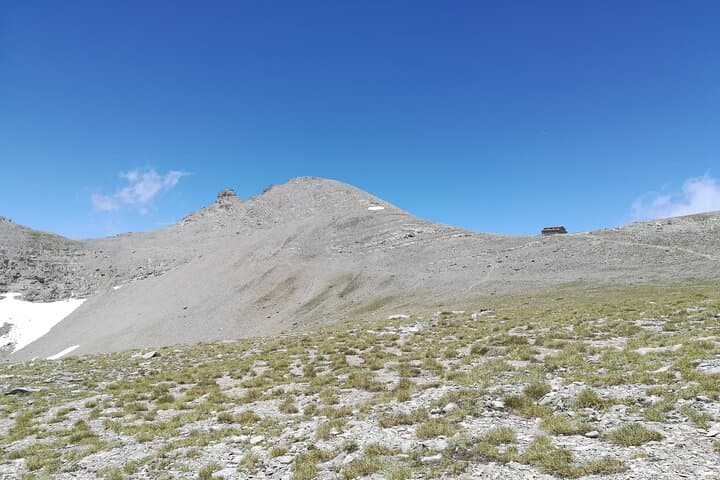
You stand at Prionia as the forest exhales: pines and beeches part the light and a cool Aegean breeze pushes inland, daring you up the switchbacks. The path climbs from 1,100 m through hollowed trunks and mossy stones toward Spilios Agapitos refuge at ~2,100 m, where the day ends with a crater of stars and the sea folded faint on the horizon.
Verified experiences and guided adventures in the surrounding area.
Operated by Trail Path · Litochoro, Central Macedonia
You stand at Prionia as the forest exhales: pines and beeches part the light and a cool Aegean breeze pushes inland, daring you up the switchbacks. The path climbs from 1,100 m through hollowed trunks and mossy stones toward Spilios Agapitos refuge at ~2,100 m, where the day ends with a crater of stars and the sea folded faint on the horizon.
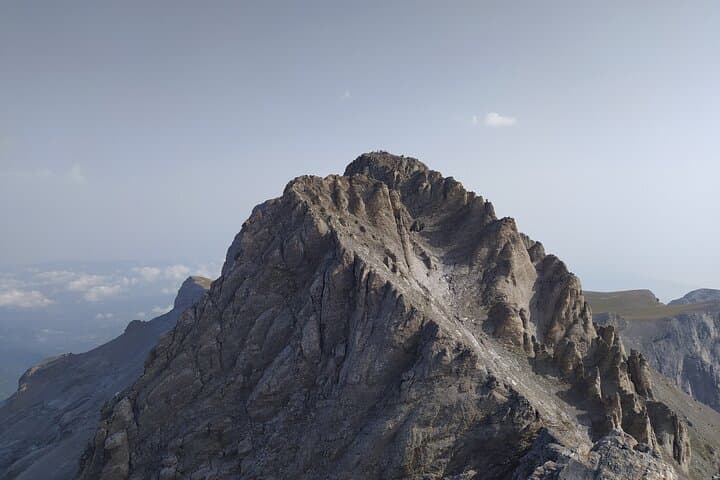
Mount Olympus is both myth and limestone massif — a National Park since 1938 and the cradle of Greek mythology. The range is primarily Jurassic limestone carved into steep ridges and deep gorges; its varied elevations host fir, beech and rare alpine plants. Local culture still threads mountain hospitality into the refuge system: simple meals, shared benches and guides who know both routes and weather windows.
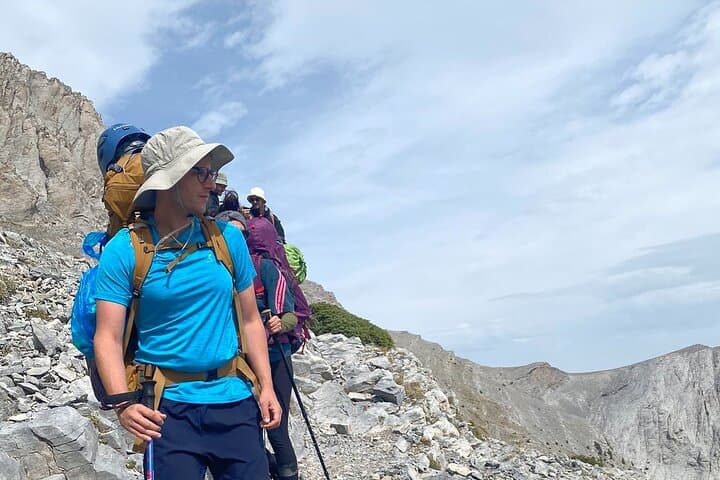
Practicality shapes the two-day plan. Day one is a steady 6 km, roughly 4–5 hours of good trail through forest to the refuge. Day two tackles exposed high routes to Skala and Skolio (2,885–2,905 m): expect 3–4 km of steeper, rocky ascent and a full day of about 13 km total round-trip. Weather changes fast — morning sun can give way to wind and cold by noon — so plan layered clothing, early starts and enough water. The refuge provides basic sleeping space; bring a sleeping bag liner if you prefer. Fitness matters: steady uphill hiking and downhill control make this a challenging but non-technical mountain experience. Leave no trace on these holy slopes and respect seasonal trail closures for wildlife and erosion control.
challenging.
8–10 hours (over 2 days of hiking).
Good cardiovascular fitness and experience with sustained uphill hiking; comfortable with long day distances and uneven terrain.
The route is non-technical but steep and exposed in places; it requires good fitness, steady footing and early starts to avoid afternoon weather.
Spilios Agapitos offers basic bunks, communal dining, power and a kitchen; bring a sleeping liner and personal toiletries.
Guides are recommended for multi-day ascents for safety, weather assessment and navigation, especially if unfamiliar with alpine conditions.
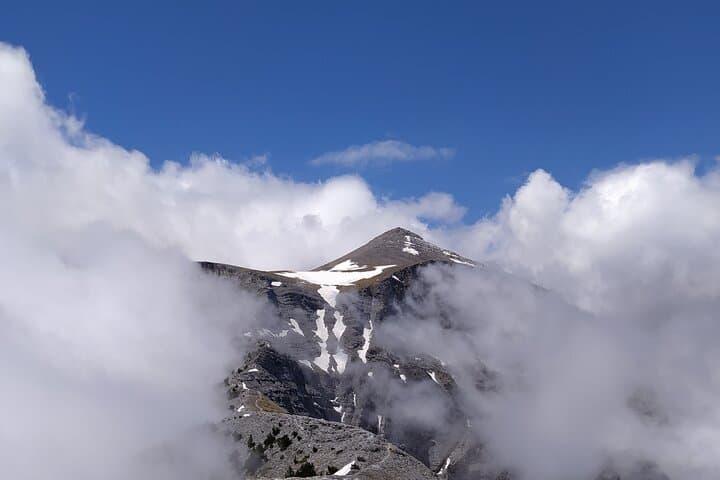
Main season runs late spring through early fall; snow can persist into June at higher elevations, and winter access is technical and weather-dependent.
Mount Olympus has been protected since 1938 and holds centuries of mountaineering tradition; local villages like Litochoro were historical gateways for pilgrims and climbers.
Trails are sensitive to erosion and seasonal closures protect nesting raptors and endemic plants — stick to marked paths and pack out waste.
Trail Path operates guided outdoor trips and adventures with an emphasis on safety, stewardship, and memorable experiences.
You stand at Prionia as the forest exhales: pines and beeches part the light and a cool Aegean breeze pushes inland, daring you up the switchbacks. The path climbs from 1,100 m through hollowed trunks and mossy stones toward Spilios Agapitos refuge at ~2,100 m, where the day ends with a crater of stars and the sea folded faint on the horizon.
You stand at Prionia as the forest exhales: pines and beeches part the light and a cool Aegean breeze pushes inland, daring you up the switchbacks. The path climbs from 1,100 m through hollowed trunks and mossy stones toward Spilios Agapitos refuge at ~2,100 m, where the day ends with a crater of stars and the sea folded faint on the horizon.
Mount Olympus is both myth and limestone massif — a National Park since 1938 and the cradle of Greek mythology. The range is primarily Jurassic limestone carved into steep ridges and deep gorges; its varied elevations host fir, beech and rare alpine plants. Local culture still threads mountain hospitality into the refuge system: simple meals, shared benches and guides who know both routes and weather windows.
Practicality shapes the two-day plan. Day one is a steady 6 km, roughly 4–5 hours of good trail through forest to the refuge. Day two tackles exposed high routes to Skala and Skolio (2,885–2,905 m): expect 3–4 km of steeper, rocky ascent and a full day of about 13 km total round-trip. Weather changes fast — morning sun can give way to wind and cold by noon — so plan layered clothing, early starts and enough water. The refuge provides basic sleeping space; bring a sleeping bag liner if you prefer. Fitness matters: steady uphill hiking and downhill control make this a challenging but non-technical mountain experience. Leave no trace on these holy slopes and respect seasonal trail closures for wildlife and erosion control.