THE ADVENTURE COLLECTIVE® · Independent discovery and booking for outdoor travel

A compact overnight trek on Mount Kenya that blends highland forest, waterfalls and a short summit-area hike to 3,300 m. Ideal for hikers wanting a scenic, two-day alpine experience without technical climbing.
A compact overnight trek on Mount Kenya that blends highland forest, waterfalls and a short summit-area hike to 3,300 m. Ideal for hikers wanting a scenic, two-day alpine experience without technical climbing.
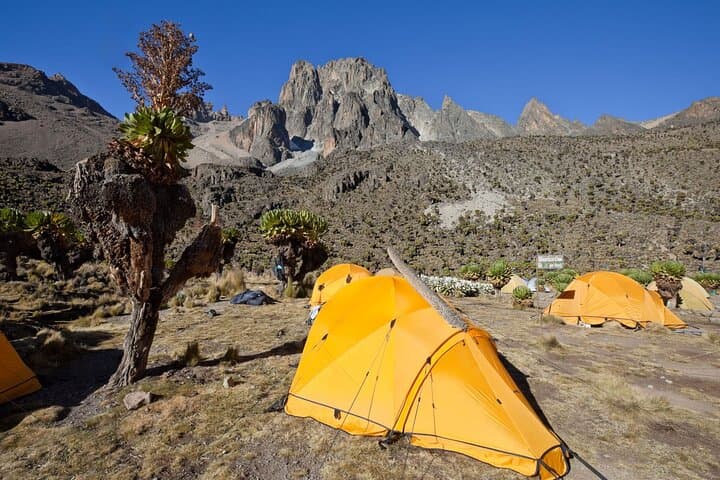
You start before dawn on a highland road, Nairobi shrinking behind you as the highway climbs toward the pale slopes of Mount Kenya. The air cools, and by mid-afternoon the forest opens to Bandas — simple mountain shelters — where you camp beneath ragged lobelias and giant groundsels. Rivers cut through gullies below, daring you to follow their spray toward waterfalls and high-altitude lakes.
Verified experiences and guided adventures in the surrounding area.
Operated by Zazu Safari Ventures · Naro Moru, Nyeri County
You start before dawn on a highland road, Nairobi shrinking behind you as the highway climbs toward the pale slopes of Mount Kenya. The air cools, and by mid-afternoon the forest opens to Bandas — simple mountain shelters — where you camp beneath ragged lobelias and giant groundsels. Rivers cut through gullies below, daring you to follow their spray toward waterfalls and high-altitude lakes.
Mount Kenya is Africa’s second-highest massif, its core of ancient volcanic rock carved into jagged peaks (Batian, Nelion, Point Lenana) and rounded ridgelines. The Naromoru/Chogoria approaches pass through montane forest, bamboo band and heathland, offering views of Nithi Falls (approx. 30 m) and nearby Lake Ellis at ~3,500 m. The route carries both colonial-era exploration history and Maasai and Kikuyu cultural ties to the mountain as a sacred watershed.
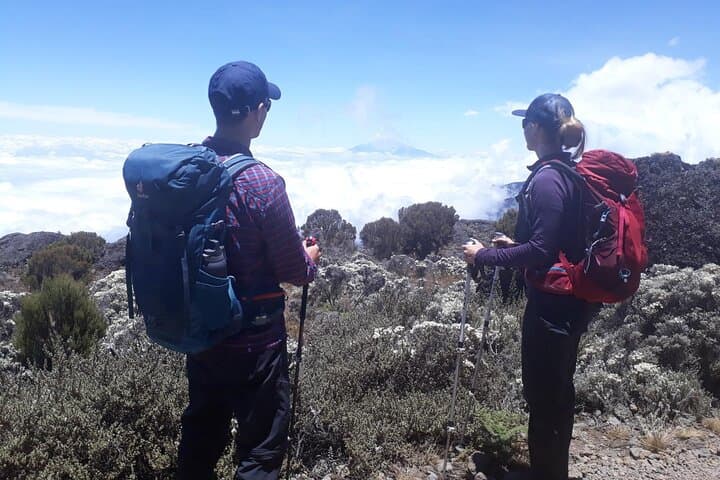
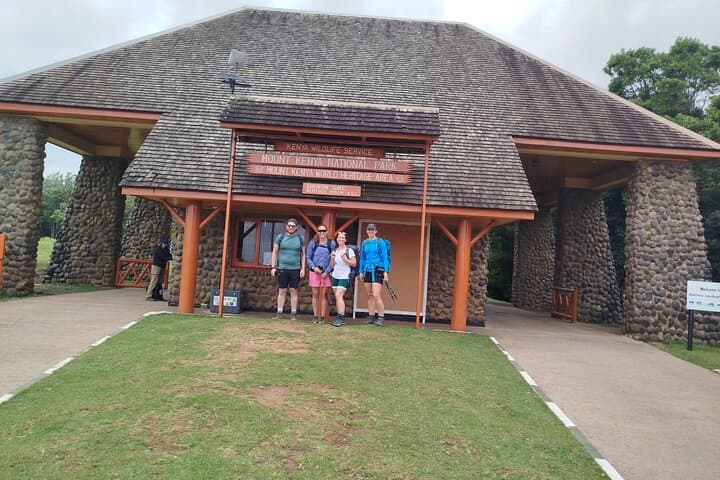
Practically, expect a 4–5 hour drive from Nairobi to the Chogoria/Naromoru trailheads, overnight Banda accommodation with full board, and a second-day hike of about 6–8 km up to the roadhead at ~3,300 m (2–3 hours) with modest elevation gain from camp. Trails vary from packed dirt to rocky vehicle tracks; good boots and layered clothing are essential. Watch for altitude effects as you approach 3,000+ meters, and give wildlife space — monkeys and buffalo are common near camp, elephants occasionally roam the lower forest.
Bring strong rain protection, drinkable water, and a headlamp for early starts. Timing visits in the dryer months (June–September, January–February) improves trail conditions and visibility.
moderate.
2 days.
Moderate fitness—regular hikers who can handle 6–10 km with uphill sections and 300–600 m elevation gain will be comfortable.
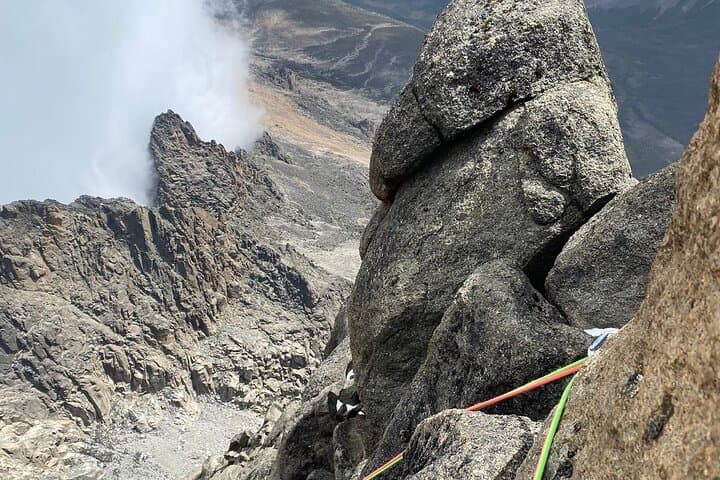
No technical climbing is required—the Naromoru/Chogoria overnight reaches around 3,300–3,500 m and is a strenuous hike rather than a technical ascent.
This itinerary includes park entry fees and porters as listed; confirm details at booking for exact inclusions and porter limits.
Plan on approximately 4–5 hours from Nairobi to the Chogoria/Naromoru trailheads depending on traffic and road conditions.
Be up to date on routine vaccinations, carry a basic first-aid kit, and monitor for altitude symptoms; those with heart or severe respiratory conditions should seek medical advice before booking.
Mount Kenya has long cultural significance to the Kikuyu people and was later a focus of colonial-era exploration; its peaks are eroded remnants of an ancient volcano.
Mount Kenya National Park works to protect fragile Afro-alpine habitats; stick to trails, pack out waste, and use licensed guides to support sustainable visitation.
Zazu Safari Ventures operates guided outdoor trips and adventures with an emphasis on safety, stewardship, and memorable experiences.
You start before dawn on a highland road, Nairobi shrinking behind you as the highway climbs toward the pale slopes of Mount Kenya. The air cools, and by mid-afternoon the forest opens to Bandas — simple mountain shelters — where you camp beneath ragged lobelias and giant groundsels. Rivers cut through gullies below, daring you to follow their spray toward waterfalls and high-altitude lakes.
You start before dawn on a highland road, Nairobi shrinking behind you as the highway climbs toward the pale slopes of Mount Kenya. The air cools, and by mid-afternoon the forest opens to Bandas — simple mountain shelters — where you camp beneath ragged lobelias and giant groundsels. Rivers cut through gullies below, daring you to follow their spray toward waterfalls and high-altitude lakes.
Mount Kenya is Africa’s second-highest massif, its core of ancient volcanic rock carved into jagged peaks (Batian, Nelion, Point Lenana) and rounded ridgelines. The Naromoru/Chogoria approaches pass through montane forest, bamboo band and heathland, offering views of Nithi Falls (approx. 30 m) and nearby Lake Ellis at ~3,500 m. The route carries both colonial-era exploration history and Maasai and Kikuyu cultural ties to the mountain as a sacred watershed.
Practically, expect a 4–5 hour drive from Nairobi to the Chogoria/Naromoru trailheads, overnight Banda accommodation with full board, and a second-day hike of about 6–8 km up to the roadhead at ~3,300 m (2–3 hours) with modest elevation gain from camp. Trails vary from packed dirt to rocky vehicle tracks; good boots and layered clothing are essential. Watch for altitude effects as you approach 3,000+ meters, and give wildlife space — monkeys and buffalo are common near camp, elephants occasionally roam the lower forest.
Bring strong rain protection, drinkable water, and a headlamp for early starts. Timing visits in the dryer months (June–September, January–February) improves trail conditions and visibility.