THE ADVENTURE COLLECTIVE® · Independent discovery and booking for outdoor travel

Ride camelbacks into Erg Chebbi, sleep under open skies, and trace a classic Fes–Merzouga route across the Middle Atlas. This two-day circuit pairs a night in a desert camp with cultural stops and dramatic dunes.
Ride camelbacks into Erg Chebbi, sleep under open skies, and trace a classic Fes–Merzouga route across the Middle Atlas. This two-day circuit pairs a night in a desert camp with cultural stops and dramatic dunes.
A low sun paints the dunes gold as you crest a camel's back and the desert opens — a stretch of wind-sculpted sand that reads like a map of time. The journey begins in Fes, winds through cedar forests and the alpine town of Ifrane (about 1,665 m), then drops into the ochre basin of Erg Chebbi where dunes rise as high as 150 meters.
Verified experiences and guided adventures in the surrounding area.
Operated by Morocco Golden Desert Trip · Merzouga, Drâa-Tafilalet
A low sun paints the dunes gold as you crest a camel's back and the desert opens — a stretch of wind-sculpted sand that reads like a map of time. The journey begins in Fes, winds through cedar forests and the alpine town of Ifrane (about 1,665 m), then drops into the ochre basin of Erg Chebbi where dunes rise as high as 150 meters.
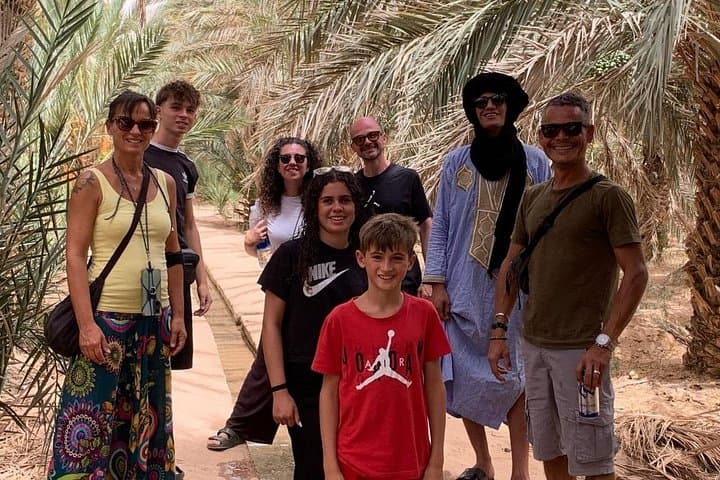
This two-day route traces older caravan corridors and modern asphalt alike: Middle Atlas geology gives way to the desert’s aeolian architecture, where wind is the primary sculptor. Along the way, local Berber communities offer a living cultural thread—simple guesthouses, shared meals, and stories about water wells and trans-Saharan trade that anchor the landscape to people.
Expect a night in a desert camp under brilliant stars, a short camel ride timed for sunset, and an early-morning climb onto a dune for sunrise. Logistics are straightforward: air-conditioned transfer in a minivan, one dinner, one breakfast and a single-night desert stay are typical inclusions.
Practical guidance: travel light but bring layers—desert days can hit 30°C while nights drop sharply. Hydration matters; carry at least 2 liters per person and sun protection with UV-rated sunglasses and a wide-brim or scarf. Footwear should handle sand and short rocky walks. If you have mobility issues or spinal concerns, note that camel mounts and uneven sand are part of the experience.
Timing your trip around calm winds yields smoother camel rides and cleaner photos. Respect local customs, support small Berber vendors, and avoid walking on fragile dune vegetation to help preserve this working landscape for future travelers.
moderate.
2 days.
Suitable for travelers in average fitness able to handle long vehicle transfers, short dune climbs, and mounting camels.
Expect roughly 7–9 hours of driving with photo and rest stops; the route crosses the Middle Atlas and includes a stop in Ifrane.
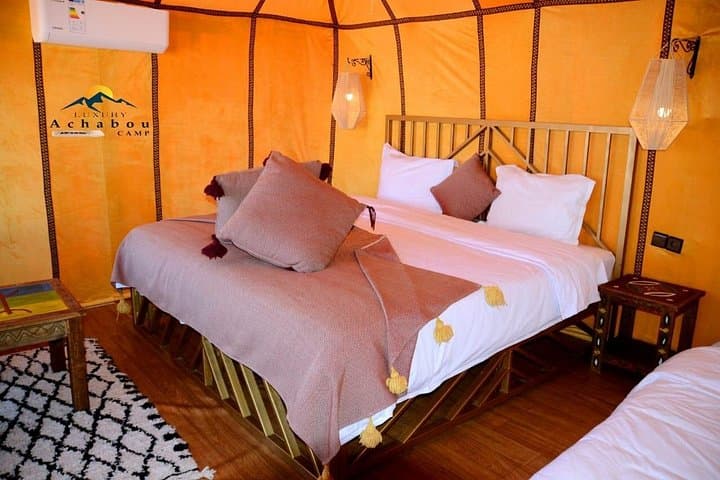
Most two-day packages include one night in a desert camp (traditional tents or basic lodges), plus one dinner and one breakfast.
Families with children commonly join, but camel mounts and uneven sand can be difficult for people with spinal or serious mobility conditions—check accessibility options in advance.
Moroccan dirham (MAD) is used locally; tipping drivers, guides, and camp staff is customary (small amounts appreciated). Carry small bills for tea or small purchases.
The route parallels historic trans-Saharan trade paths and runs through regions long inhabited by Amazigh (Berber) communities whose seasonal movements shaped water and grazing patterns.
Dune environments are fragile—stay on established tracks, avoid lighting fires in the dunes, and pack out all waste to limit erosion and impact on native flora.
Morocco Golden Desert Trip operates guided outdoor trips and adventures with an emphasis on safety, stewardship, and memorable experiences.
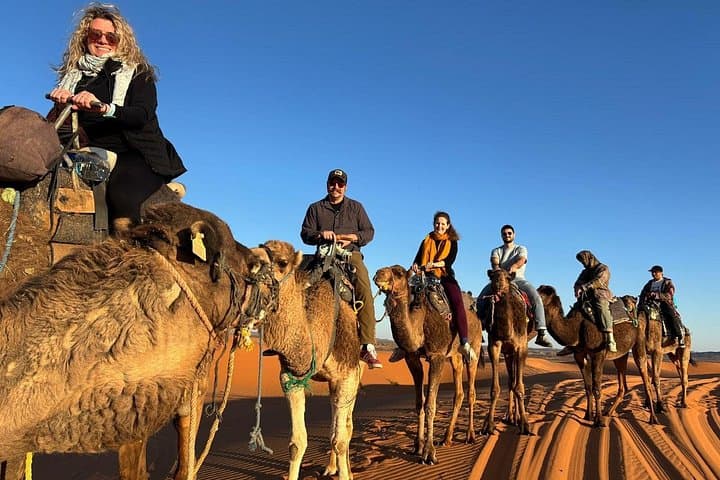
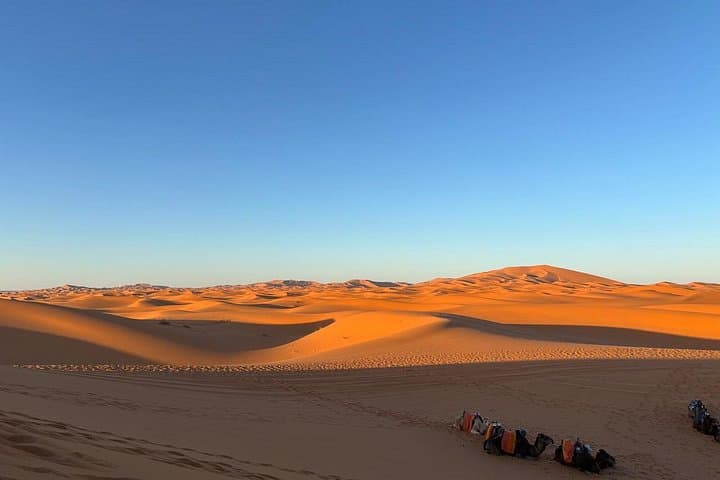
A low sun paints the dunes gold as you crest a camel's back and the desert opens — a stretch of wind-sculpted sand that reads like a map of time. The journey begins in Fes, winds through cedar forests and the alpine town of Ifrane (about 1,665 m), then drops into the ochre basin of Erg Chebbi where dunes rise as high as 150 meters.
A low sun paints the dunes gold as you crest a camel's back and the desert opens — a stretch of wind-sculpted sand that reads like a map of time. The journey begins in Fes, winds through cedar forests and the alpine town of Ifrane (about 1,665 m), then drops into the ochre basin of Erg Chebbi where dunes rise as high as 150 meters.
This two-day route traces older caravan corridors and modern asphalt alike: Middle Atlas geology gives way to the desert’s aeolian architecture, where wind is the primary sculptor. Along the way, local Berber communities offer a living cultural thread—simple guesthouses, shared meals, and stories about water wells and trans-Saharan trade that anchor the landscape to people.
Expect a night in a desert camp under brilliant stars, a short camel ride timed for sunset, and an early-morning climb onto a dune for sunrise. Logistics are straightforward: air-conditioned transfer in a minivan, one dinner, one breakfast and a single-night desert stay are typical inclusions.
Practical guidance: travel light but bring layers—desert days can hit 30°C while nights drop sharply. Hydration matters; carry at least 2 liters per person and sun protection with UV-rated sunglasses and a wide-brim or scarf. Footwear should handle sand and short rocky walks. If you have mobility issues or spinal concerns, note that camel mounts and uneven sand are part of the experience.
Timing your trip around calm winds yields smoother camel rides and cleaner photos. Respect local customs, support small Berber vendors, and avoid walking on fragile dune vegetation to help preserve this working landscape for future travelers.