THE ADVENTURE COLLECTIVE® · Independent discovery and booking for outdoor travel

Cross the High Atlas, ride a camel across Zagora’s dunes, and sleep under a desert sky on this compact two-day tour. Expect long scenic drives, historic kasbahs, and a classic Sahara sunrise.
Cross the High Atlas, ride a camel across Zagora’s dunes, and sleep under a desert sky on this compact two-day tour. Expect long scenic drives, historic kasbahs, and a classic Sahara sunrise.
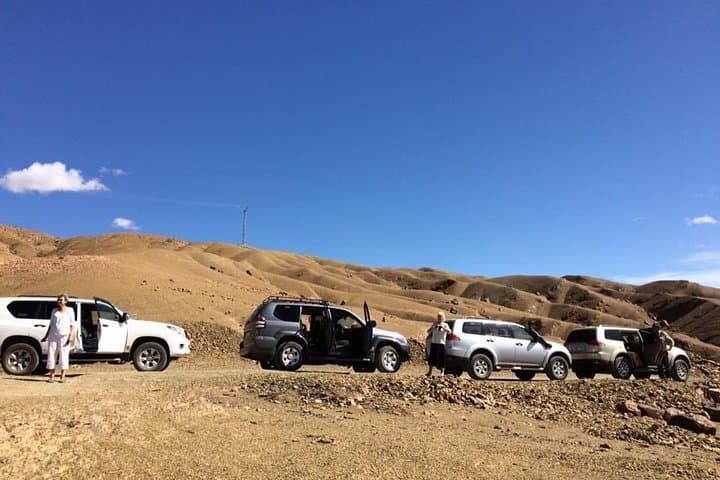
You leave Marrakech before dawn and the city blurs into the rising spine of the High Atlas. The road climbs Tizi-n-Tichka, hairpins opening onto terraced slopes and stone Berber villages clinging to the hills. Hours later the landscape flattens, the air dries, and the dunes of Zagora begin to rise like a slow-moving ocean.
Verified experiences and guided adventures in the surrounding area.
Operated by Agoudal Travel · Marrakech, Marrakesh-Safi
You leave Marrakech before dawn and the city blurs into the rising spine of the High Atlas. The road climbs Tizi-n-Tichka, hairpins opening onto terraced slopes and stone Berber villages clinging to the hills. Hours later the landscape flattens, the air dries, and the dunes of Zagora begin to rise like a slow-moving ocean.
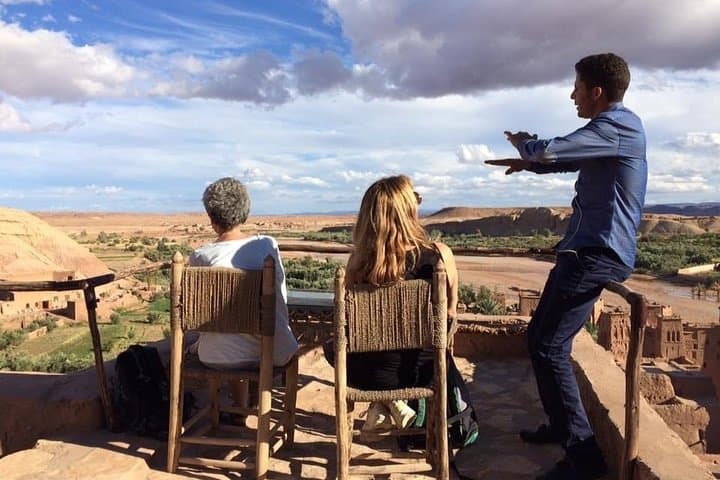
This two-day route follows historic caravan roads across the Draa Valley, crossing landscapes shaped by tectonic uplift and wind. Ait Benhaddou, a UNESCO kasbah on Day 2, stands in mudbrick silence—an architectural waypoint where trade caravans once paused. The Sahara’s geology is simple but severe: wind-sculpted sand, gravel plains, and ephemeral oases where date palms mark former rivers.
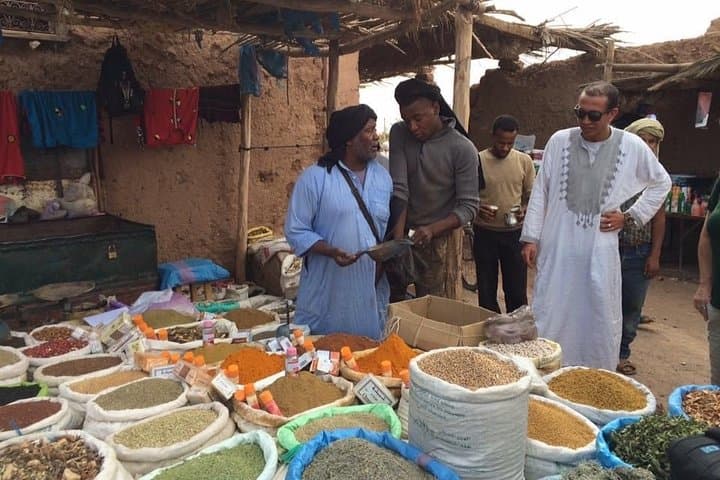
Culturally, the trip moves through Berber country—small markets, kasbah architecture, and hospitality centered on tagine and mint tea. At dusk the dunes demand attention; they shift color and tone, and the night sky in the camp is so clear that constellations feel close enough to touch.
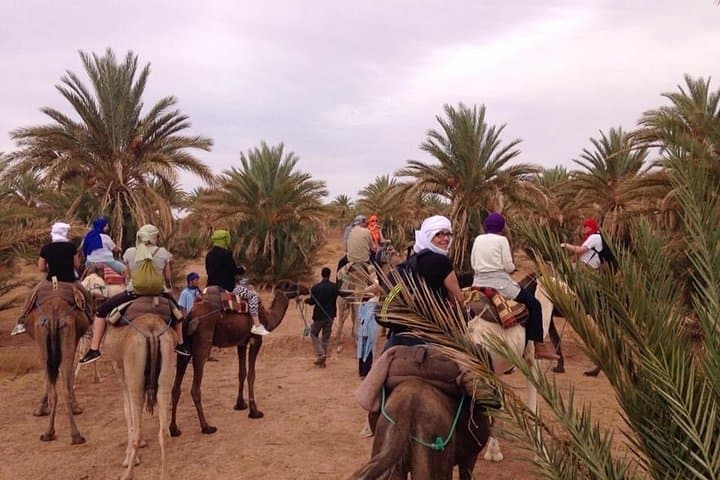
Practical guidance: the itinerary includes long road sections (6–8 hours with stops) and a one-hour camel ride; motion-sickness remedies and an extra bottle of water are recommended. Bring sun protection, closed-toe shoes for dune walking, and a warm layer for desert nights. Expect basic tented accommodation in the camp; hosts provide dinner and breakfast.
Timing: catch the sunset from a dune crest and set an alarm for the desert sunrise—shadows stretch and temperatures shift quickly. Finally, respect local customs: dress modestly in villages, ask before photographing people, and pack out any trash to help fragile desert environments.
moderate.
2 days.
Suitable for travelers in good general health; involves short walks, a one-hour camel ride, and long vehicle transfers.
The included camel ride is approximately one hour across the dunes, suited for beginners and guided by camp staff.
Overnight is in a tented desert camp with basic bedding; facilities are simple and designed for authentic desert experience.
The tour is rated easy physically and suitable for most ages, but consider the long vehicle transfers and limited medical facilities in remote areas.
Moroccan dirham (MAD) is used; tipping drivers, guides, and camp staff is customary—small cash tips are appreciated.
The Draa Valley and Ait Benhaddou lie on old trans-Saharan trade routes where caravans moved salt, gold, and dates; kasbahs served as fortified caravan stops.
The desert is ecologically fragile—stick to marked paths, avoid disturbing vegetation, and pack out all waste to protect oases and sand habitats.
Agoudal Travel operates guided outdoor trips and adventures with an emphasis on safety, stewardship, and memorable experiences.
You leave Marrakech before dawn and the city blurs into the rising spine of the High Atlas. The road climbs Tizi-n-Tichka, hairpins opening onto terraced slopes and stone Berber villages clinging to the hills. Hours later the landscape flattens, the air dries, and the dunes of Zagora begin to rise like a slow-moving ocean.
You leave Marrakech before dawn and the city blurs into the rising spine of the High Atlas. The road climbs Tizi-n-Tichka, hairpins opening onto terraced slopes and stone Berber villages clinging to the hills. Hours later the landscape flattens, the air dries, and the dunes of Zagora begin to rise like a slow-moving ocean.
This two-day route follows historic caravan roads across the Draa Valley, crossing landscapes shaped by tectonic uplift and wind. Ait Benhaddou, a UNESCO kasbah on Day 2, stands in mudbrick silence—an architectural waypoint where trade caravans once paused. The Sahara’s geology is simple but severe: wind-sculpted sand, gravel plains, and ephemeral oases where date palms mark former rivers.
Culturally, the trip moves through Berber country—small markets, kasbah architecture, and hospitality centered on tagine and mint tea. At dusk the dunes demand attention; they shift color and tone, and the night sky in the camp is so clear that constellations feel close enough to touch.
Practical guidance: the itinerary includes long road sections (6–8 hours with stops) and a one-hour camel ride; motion-sickness remedies and an extra bottle of water are recommended. Bring sun protection, closed-toe shoes for dune walking, and a warm layer for desert nights. Expect basic tented accommodation in the camp; hosts provide dinner and breakfast.
Timing: catch the sunset from a dune crest and set an alarm for the desert sunrise—shadows stretch and temperatures shift quickly. Finally, respect local customs: dress modestly in villages, ask before photographing people, and pack out any trash to help fragile desert environments.