THE ADVENTURE COLLECTIVE® · Independent discovery and booking for outdoor travel

A fast, high-altitude ascent of El Misti from Arequipa: two days, one night of camping, and a summit at 5,825 m. Expect loose volcanic scree, cold crater winds, and panoramic Andean views—prepare for altitude and bring warm layers.
A fast, high-altitude ascent of El Misti from Arequipa: two days, one night of camping, and a summit at 5,825 m. Expect loose volcanic scree, cold crater winds, and panoramic Andean views—prepare for altitude and bring warm layers.
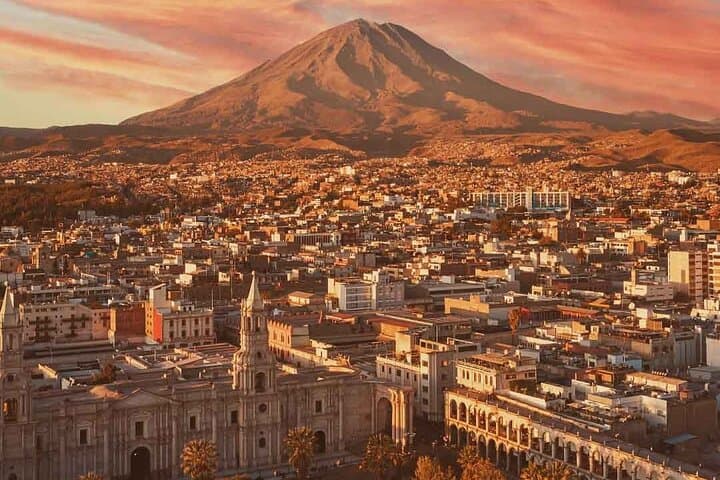
The first light of day finds you on a gravel road out of Arequipa, a 4x4 bumping along toward Chiguata as the city’s white facades shrink below. You step off at 3,300 m and begin a long, steady climb across volcanic slopes—dusty pumice underfoot, the skyline punctuated by Chachani and Pichu Pichu—until camp at 4,800 m where dinner is simple and the stars are brutally clear.
Verified experiences and guided adventures in the surrounding area.
Operated by Machupicchu Holiday · Arequipa, Arequipa
The first light of day finds you on a gravel road out of Arequipa, a 4x4 bumping along toward Chiguata as the city’s white facades shrink below. You step off at 3,300 m and begin a long, steady climb across volcanic slopes—dusty pumice underfoot, the skyline punctuated by Chachani and Pichu Pichu—until camp at 4,800 m where dinner is simple and the stars are brutally clear.
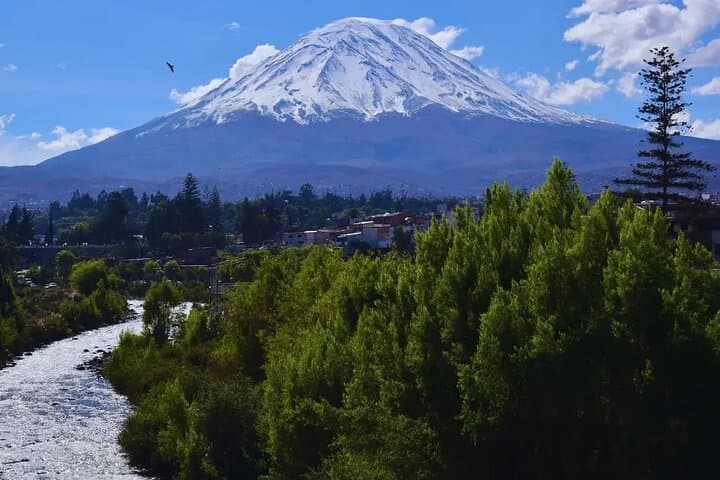
El Misti is an iconic stratovolcano above Arequipa, its near-perfect cone shaped by successive lava flows and ash layers. The route follows volcanic scree and compacted ash; geology here is recent in geological terms and offers broad views of the high Andes and the Aguada Blanca reserve. Culturally, the volcano looms over the “White City” and plays a role in local mountain reverence; llamas and pastures populate lower slopes on the approach.
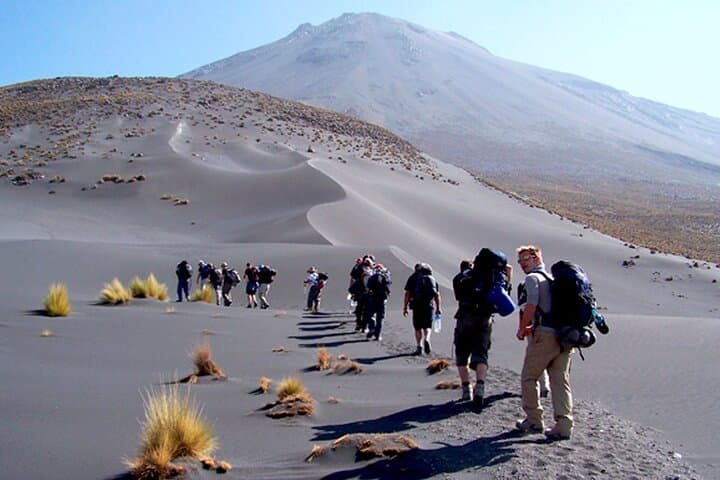
Practically, the itinerary covers roughly 1,500 m of elevation gain on day one (about 6 hours) and an additional 1,025 m push to the summit early day two (often 6–8 hours up and 3–4 hours down). Terrain is non-technical but loose—expect steep switchbacks, volcanic gravel, and cold winds near the crater. Altitude is the primary hazard: plan acclimatization, hydrate, and move deliberately. Bring warm layers, a sleeping bag rated to below freezing, sturdy boots, poles, and snacks. Most groups return to Arequipa by mid-afternoon on day two.
This is a compact, high-altitude expedition: invigorating, exposed, and dependent on weather. Respect the mountain, watch your pace, and be ready for thin air and crisp, wide views that reward the effort.
challenging.
2 days (≈48 hours).
Good cardiovascular fitness and prior high-altitude trekking experience; ability to hike 6–10 hours with heavy breathing at altitude.
The trek is demanding primarily because of altitude rather than technical terrain—expect long hours and significant elevation gain (≈2,525 m total). Good fitness and prior trekking experience are recommended.
No technical climbing gear is required on the normal route; guides provide any shared mountain equipment included in the tour.
Altitude sickness, cold temperatures at night and on the summit, loose volcanic scree, and sudden weather changes—prepare accordingly and follow your guide’s instructions.
The dry season (April–October) offers the most stable conditions; afternoons in the wet season (Dec–Mar) can bring storms and reduced visibility.
El Misti has loomed over Arequipa for millennia and features in pre-Columbian and colonial accounts; archaeologists have found offerings on high summits in the region.
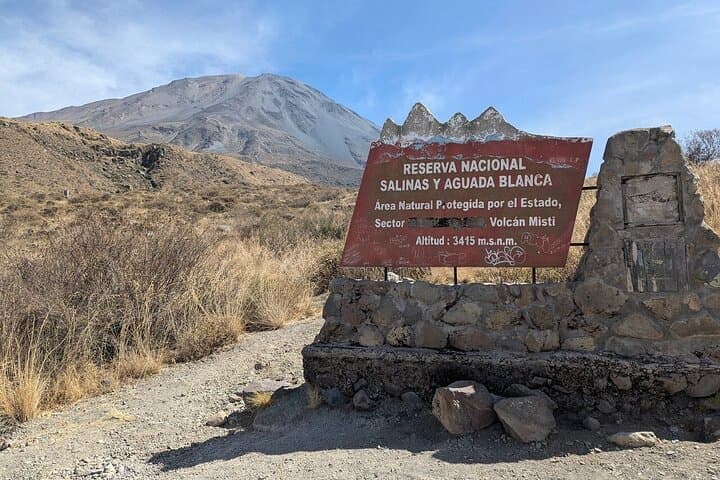
The high puna and nearby Aguada Blanca reserve are sensitive; stick to established routes, pack out waste, and avoid disturbing pasturelands and wildlife.
Machupicchu Holiday operates guided outdoor trips and adventures with an emphasis on safety, stewardship, and memorable experiences.
The first light of day finds you on a gravel road out of Arequipa, a 4x4 bumping along toward Chiguata as the city’s white facades shrink below. You step off at 3,300 m and begin a long, steady climb across volcanic slopes—dusty pumice underfoot, the skyline punctuated by Chachani and Pichu Pichu—until camp at 4,800 m where dinner is simple and the stars are brutally clear.
The first light of day finds you on a gravel road out of Arequipa, a 4x4 bumping along toward Chiguata as the city’s white facades shrink below. You step off at 3,300 m and begin a long, steady climb across volcanic slopes—dusty pumice underfoot, the skyline punctuated by Chachani and Pichu Pichu—until camp at 4,800 m where dinner is simple and the stars are brutally clear.
El Misti is an iconic stratovolcano above Arequipa, its near-perfect cone shaped by successive lava flows and ash layers. The route follows volcanic scree and compacted ash; geology here is recent in geological terms and offers broad views of the high Andes and the Aguada Blanca reserve. Culturally, the volcano looms over the “White City” and plays a role in local mountain reverence; llamas and pastures populate lower slopes on the approach.
Practically, the itinerary covers roughly 1,500 m of elevation gain on day one (about 6 hours) and an additional 1,025 m push to the summit early day two (often 6–8 hours up and 3–4 hours down). Terrain is non-technical but loose—expect steep switchbacks, volcanic gravel, and cold winds near the crater. Altitude is the primary hazard: plan acclimatization, hydrate, and move deliberately. Bring warm layers, a sleeping bag rated to below freezing, sturdy boots, poles, and snacks. Most groups return to Arequipa by mid-afternoon on day two.
This is a compact, high-altitude expedition: invigorating, exposed, and dependent on weather. Respect the mountain, watch your pace, and be ready for thin air and crisp, wide views that reward the effort.