THE ADVENTURE COLLECTIVE® · Independent discovery and booking for outdoor travel

Two days of Andes roads, a riverside hike and a guided visit to the Inca citadel — this minivan tour from Cusco pairs efficient logistics with active exploration. Expect early departures, altitude shifts and immersive cloud-forest scenery.
Two days of Andes roads, a riverside hike and a guided visit to the Inca citadel — this minivan tour from Cusco pairs efficient logistics with active exploration. Expect early departures, altitude shifts and immersive cloud-forest scenery.
Dawn feels sharp as the minivan peels out of Cusco and the night folds behind you. Mountains push up like folded maps; at Abra Málaga the air thins and the peaks stare back, permitting only quick photographs before the road slips down into green. By midday the train tracks along the Urubamba River call — a steady three-hour walk into Aguas Calientes through cloud forest where stems, orchids and moss seem to breathe around you.
Verified experiences and guided adventures in the surrounding area.
Operated by Wondrous Expeditions · Aguas Calientes, Cusco Region
Dawn feels sharp as the minivan peels out of Cusco and the night folds behind you. Mountains push up like folded maps; at Abra Málaga the air thins and the peaks stare back, permitting only quick photographs before the road slips down into green. By midday the train tracks along the Urubamba River call — a steady three-hour walk into Aguas Calientes through cloud forest where stems, orchids and moss seem to breathe around you.
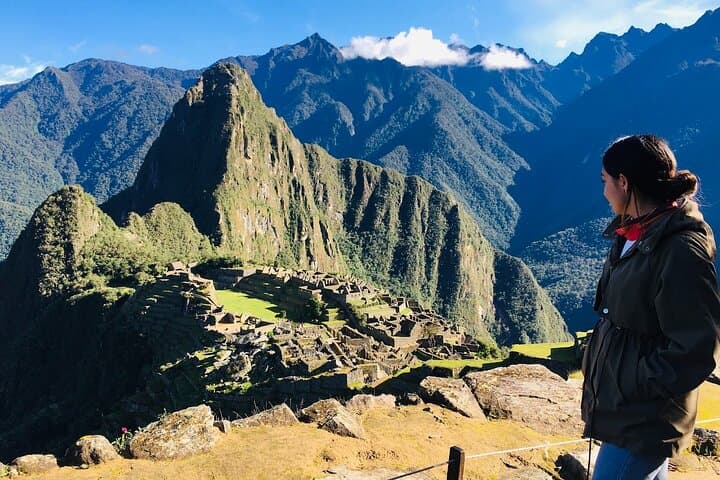
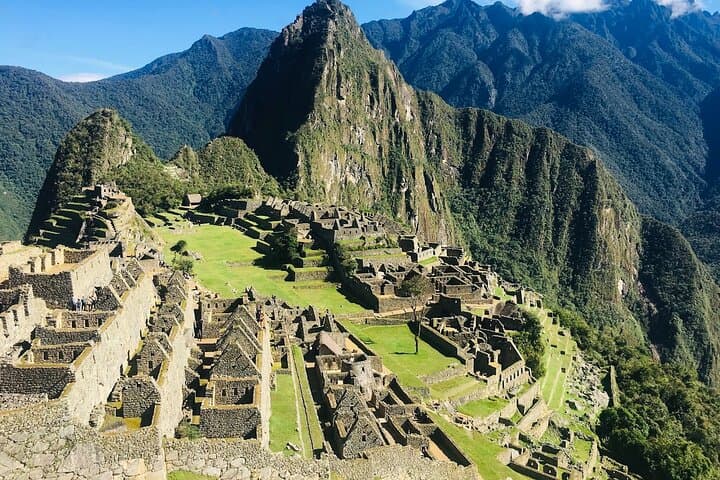
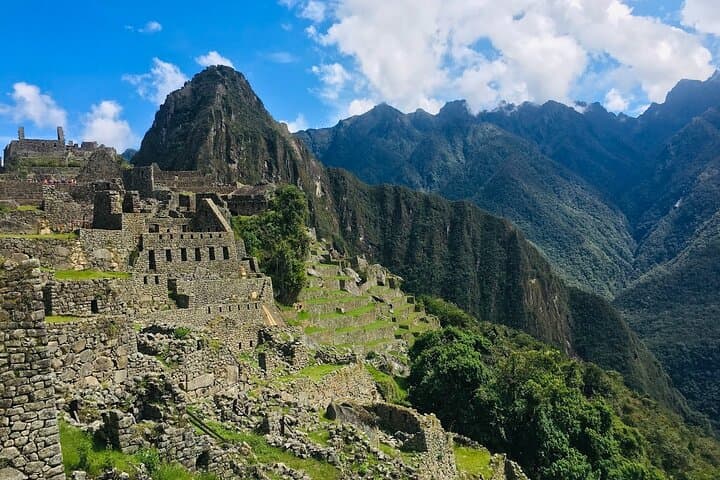
Machu Picchu sits on a granite ridge above the river, carved by Inca engineers in the 15th century and later hidden by clouds and jungle. The citadel's terraces step the steep slope; its fine ashlar stonework resists earthquakes and invites close inspection. The route from Hidroeléctrica to Aguas Calientes follows the modern rail corridor but passes through the same ecological transition zones that sustained pre-Columbian farming and a web of Andean biodiversity.
Local culture is visible in markets and menus: hearty soups, roasted potatoes, and coca for altitude. Guides will explain Inca water channels and agricultural sectors; park staff enforce time windows and visitor limits to protect fragile flora.
For travelers: expect early starts (4–6am), narrow paths and steep staircases, and a mix of hot valleys and cold high passes. Bring layered clothing, rain protection, and a photocopy of your passport for entrance validation. If fitness or time is tight, choose the bus from Aguas Calientes to the gate. The trip combines high-altitude exposure, a moderate trail day, and a full historical visit — practical preparation rewards every panoramic moment.
moderate.
2 days.
Moderate fitness required: able to walk 3–6 hours over uneven terrain and tolerate high altitude.
Yes—entrance slots, especially Circuit 2, are limited; buy tickets well before your travel dates to guarantee access.
The walk is moderate: roughly 3 hours on mostly flat but uneven ground; waterproof footwear and steady pacing make it manageable.
Yes—buses run frequently and cut the ascent to about 20–30 minutes; tell your operator if you prefer the bus over hiking.
Acclimatize in Cusco, hydrate, avoid alcohol, and carry acetazolamide if prescribed; descend if symptoms worsen.
Machu Picchu was built by the Inca in the 15th century and reconnected to the outside world in 1911; its terraces and water channels reflect advanced mountain agriculture.
The citadel and surrounding cloud forest are ecologically fragile; use official trails, avoid single-use plastics, and respect visitor time windows to reduce impact.
Wondrous Expeditions operates guided outdoor trips and adventures with an emphasis on safety, stewardship, and memorable experiences.
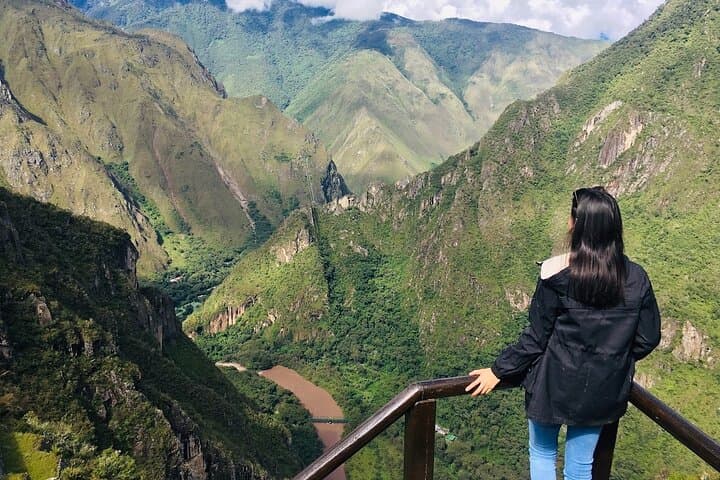
Dawn feels sharp as the minivan peels out of Cusco and the night folds behind you. Mountains push up like folded maps; at Abra Málaga the air thins and the peaks stare back, permitting only quick photographs before the road slips down into green. By midday the train tracks along the Urubamba River call — a steady three-hour walk into Aguas Calientes through cloud forest where stems, orchids and moss seem to breathe around you.
Dawn feels sharp as the minivan peels out of Cusco and the night folds behind you. Mountains push up like folded maps; at Abra Málaga the air thins and the peaks stare back, permitting only quick photographs before the road slips down into green. By midday the train tracks along the Urubamba River call — a steady three-hour walk into Aguas Calientes through cloud forest where stems, orchids and moss seem to breathe around you.
Machu Picchu sits on a granite ridge above the river, carved by Inca engineers in the 15th century and later hidden by clouds and jungle. The citadel's terraces step the steep slope; its fine ashlar stonework resists earthquakes and invites close inspection. The route from Hidroeléctrica to Aguas Calientes follows the modern rail corridor but passes through the same ecological transition zones that sustained pre-Columbian farming and a web of Andean biodiversity.
Local culture is visible in markets and menus: hearty soups, roasted potatoes, and coca for altitude. Guides will explain Inca water channels and agricultural sectors; park staff enforce time windows and visitor limits to protect fragile flora.
For travelers: expect early starts (4–6am), narrow paths and steep staircases, and a mix of hot valleys and cold high passes. Bring layered clothing, rain protection, and a photocopy of your passport for entrance validation. If fitness or time is tight, choose the bus from Aguas Calientes to the gate. The trip combines high-altitude exposure, a moderate trail day, and a full historical visit — practical preparation rewards every panoramic moment.