THE ADVENTURE COLLECTIVE® · Independent discovery and booking for outdoor travel

Two days in Mindo deliver cloud‑forest hikes, 15 waterfalls, river tubbing and an eight‑line zip tour—plus excellent birdwatching from a comfortable lodge. Learn what to expect, how to prepare, and where to find the best views.
Two days in Mindo deliver cloud‑forest hikes, 15 waterfalls, river tubbing and an eight‑line zip tour—plus excellent birdwatching from a comfortable lodge. Learn what to expect, how to prepare, and where to find the best views.
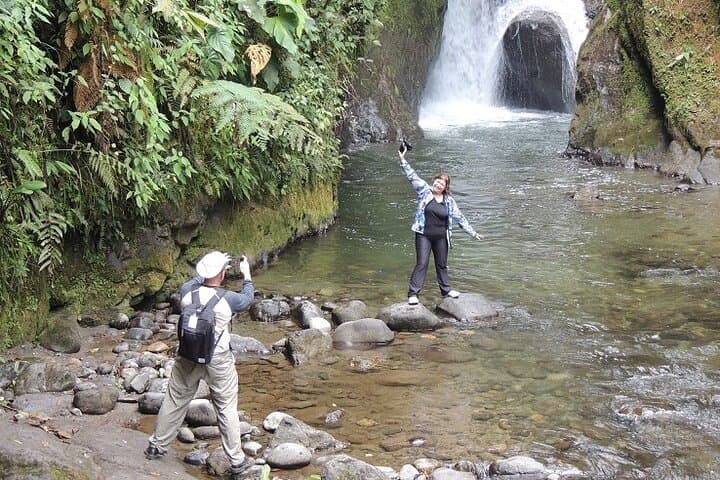
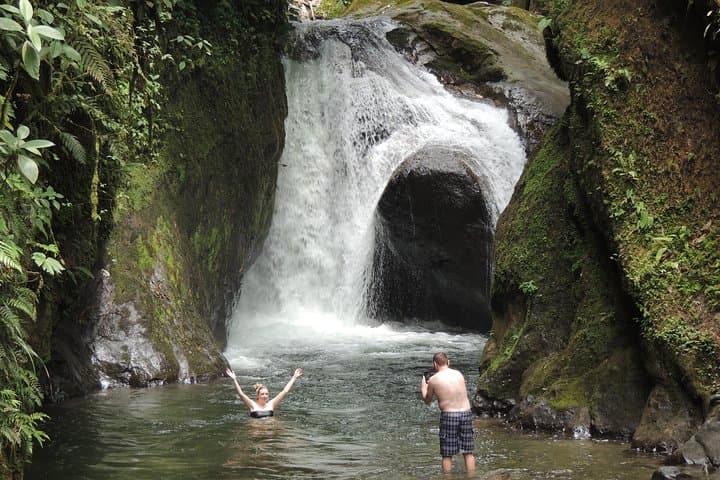
A mist threads through the trees as the van climbs away from Quito and the air sharpens into the cool, humid breath of the Mindo cloud forest. On day one a 530‑meter cable car carries you over ridgelines to a network of trails where cascades chip away at the mountain—Ondina, Guarumos, Colibríes, Madre, Los Maderos and Nambillo—each offering a place to sit, cool off, and listen to the forest’s low, layered chorus.
Verified experiences and guided adventures in the surrounding area.
Operated by Ecuador Best Tours · Mindo, Pichincha
A mist threads through the trees as the van climbs away from Quito and the air sharpens into the cool, humid breath of the Mindo cloud forest. On day one a 530‑meter cable car carries you over ridgelines to a network of trails where cascades chip away at the mountain—Ondina, Guarumos, Colibríes, Madre, Los Maderos and Nambillo—each offering a place to sit, cool off, and listen to the forest’s low, layered chorus.
This corner of the western Andean foothills is geologically young: volcanic uplifts and heavy orographic rain created steep ravines and abundant streams that feed the Mindo River. The region has long been a crossroads for Quichua and colonial-era settlers; today small villages maintain artisanal markets and a hospitality economy built around birdwatching and sustainable lodges like Terra Bambú and Terrazas de Danna.
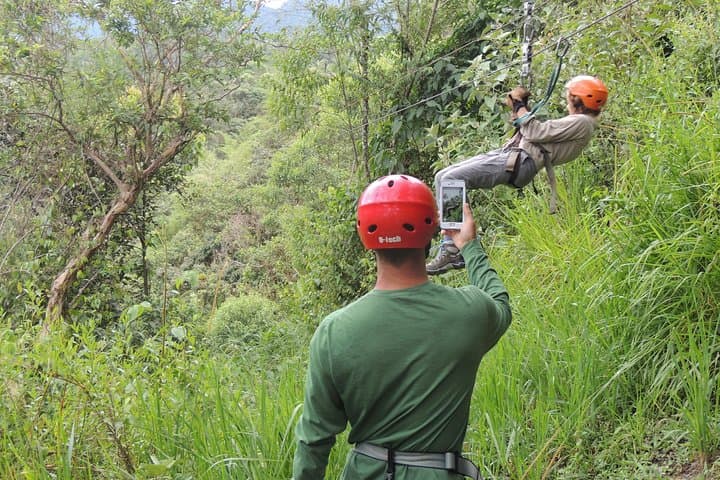
Expect two hours of guided walking through primary subtropical forest, a tubbing run on clear river pools, and an adrenaline-filled zip‑line circuit of eight cables across adjacent ridges (about 90 minutes). Guides point out orchids, bromeliads, and the high density of bird species—over 500 recorded in the greater area—making early mornings best for hummingbirds and toucans.
Practical side: wear grippy hiking shoes and a quick‑dry layer; bring insect repellent, a rain shell, and a small daypack for water and camera. Pickup is early from Quito; the schedule returns mid‑late afternoon on day two. The routes are moderately paced but include uneven, often wet terrain—prepare for mud, damp rock, and sudden showers. Hydrate, protect electronics, and reserve quiet time at the lodge to listen to the forest at dusk.
moderate.
2 days.
Moderate fitness: able to walk 2 hours on uneven, often wet trails and participate in active experiences like tubbing and zip lines.
The cable car crosses roughly 530 meters and is part of the route to access several waterfalls; it’s included in the itinerary as the most efficient crossing.
Tubbing takes place in clear stretches of the Mindo River under guide supervision; non-swimmers should notify guides and use provided safety equipment, but confidence in water is recommended.
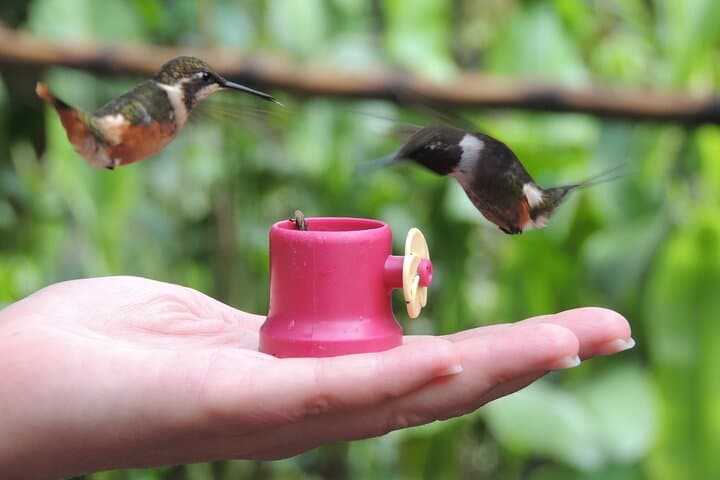
Mindo hosts over 500 bird species in the region; expect excellent sightings of hummingbirds, tanagers and toucans—bring binoculars and an early start.
Yes, children can join but must be accompanied by an adult; some activities like zip lines have age/weight restrictions and children should meet operator guidelines.
The Mindo area developed from indigenous use to small‑scale agriculture and, more recently, ecotourism—local communities now sustain birding guides and conservation projects.
Many lodges and operators work with local conservation groups to fund reforestation and limit trail impact; visitors are encouraged to follow Leave No Trace and support locally run services.
Ecuador Best Tours operates guided outdoor trips and adventures with an emphasis on safety, stewardship, and memorable experiences.
A mist threads through the trees as the van climbs away from Quito and the air sharpens into the cool, humid breath of the Mindo cloud forest. On day one a 530‑meter cable car carries you over ridgelines to a network of trails where cascades chip away at the mountain—Ondina, Guarumos, Colibríes, Madre, Los Maderos and Nambillo—each offering a place to sit, cool off, and listen to the forest’s low, layered chorus.
A mist threads through the trees as the van climbs away from Quito and the air sharpens into the cool, humid breath of the Mindo cloud forest. On day one a 530‑meter cable car carries you over ridgelines to a network of trails where cascades chip away at the mountain—Ondina, Guarumos, Colibríes, Madre, Los Maderos and Nambillo—each offering a place to sit, cool off, and listen to the forest’s low, layered chorus.
This corner of the western Andean foothills is geologically young: volcanic uplifts and heavy orographic rain created steep ravines and abundant streams that feed the Mindo River. The region has long been a crossroads for Quichua and colonial-era settlers; today small villages maintain artisanal markets and a hospitality economy built around birdwatching and sustainable lodges like Terra Bambú and Terrazas de Danna.
Expect two hours of guided walking through primary subtropical forest, a tubbing run on clear river pools, and an adrenaline-filled zip‑line circuit of eight cables across adjacent ridges (about 90 minutes). Guides point out orchids, bromeliads, and the high density of bird species—over 500 recorded in the greater area—making early mornings best for hummingbirds and toucans.
Practical side: wear grippy hiking shoes and a quick‑dry layer; bring insect repellent, a rain shell, and a small daypack for water and camera. Pickup is early from Quito; the schedule returns mid‑late afternoon on day two. The routes are moderately paced but include uneven, often wet terrain—prepare for mud, damp rock, and sudden showers. Hydrate, protect electronics, and reserve quiet time at the lodge to listen to the forest at dusk.