THE ADVENTURE COLLECTIVE® · Independent discovery and booking for outdoor travel

Two days of concentrated East African wildlife viewing: Tarangire’s elephant-rich plains and Ngorongoro’s dramatic crater—paired with mid-range lodge comfort. Ideal for travellers who want big sightings on a short, private itinerary.
Two days of concentrated East African wildlife viewing: Tarangire’s elephant-rich plains and Ngorongoro’s dramatic crater—paired with mid-range lodge comfort. Ideal for travellers who want big sightings on a short, private itinerary.
Dust rises off the red track as your 4x4 threads between fever trees and baobabs; a lone matriarch elephant pauses, as if timing your arrival. On day one the plains of Tarangire stretch wide—grasses ripple and flocks of wattled cranes punctuate the skyline—before an evening transfer to a comfortable mid-range lodge.
Verified experiences and guided adventures in the surrounding area.
Operated by Tanzania Serengeti Safaris · Arusha, Arusha Region
Dust rises off the red track as your 4x4 threads between fever trees and baobabs; a lone matriarch elephant pauses, as if timing your arrival. On day one the plains of Tarangire stretch wide—grasses ripple and flocks of wattled cranes punctuate the skyline—before an evening transfer to a comfortable mid-range lodge.
These two days stitch together contrasting landscapes and history. Tarangire’s seasonal river channels sustain huge elephant herds and acacia woodlands shaped by persistent drought-and-flow cycles. Ngorongoro is different: a collapsed volcanic caldera with walls that drop nearly 600 meters, creating an enclosed ecosystem where grasses, hippo-filled pools and predator territories coexist. The Maasai pastoral communities who graze cattle on the crater rim add a living cultural layer to the view.
Expect focused game drives: morning and late-afternoon windows when predators and grazers are most active. Guides read tracks and weather with equal skill—rain can turn sandy tracks into clay. Mid-range lodges here provide hot meals, warm showers and a base for dusk conversations about sightings.
Practical notes: travel time from Arusha is several hours—plan arrival the evening before if you want more rest. Carry binoculars, layered clothing for cool crater mornings, sun protection for exposed plains and modest cash for park tips. Vehicles are typically pop-up roof 4x4s for open viewing; respect park rules on stopping distances and keep noise low to maximize sightings. This short itinerary is compact but designed to deliver classic East African wildlife viewing without technical challenge.
moderate.
2 days.
Moderate mobility required for short walks and transfers; suitable for most fitness levels but expect long vehicle days and some uneven terrain at viewpoints.
Expect about 1.5–3 hours to Tarangire depending on route and traffic, and 3.5–4.5 hours to the Ngorongoro Conservation Area from Arusha.
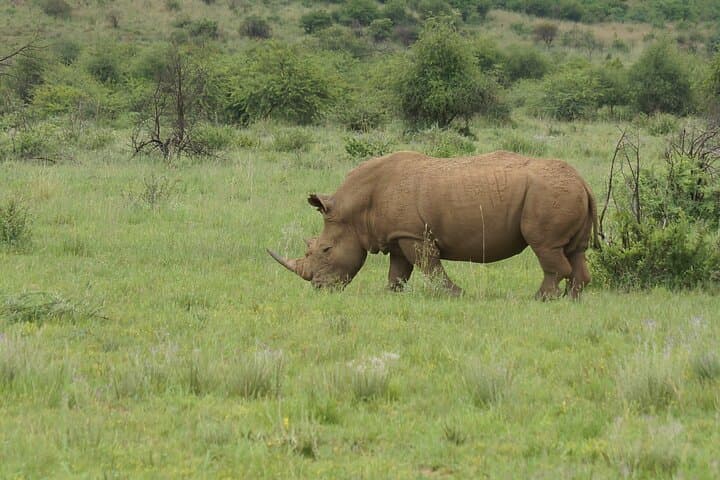
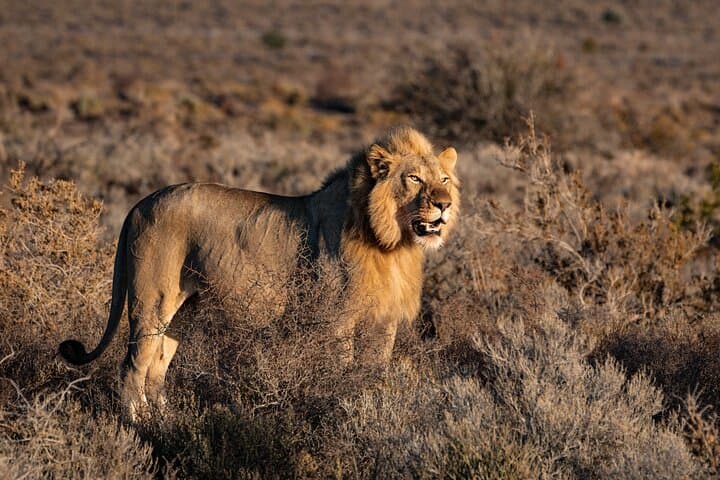
Ngorongoro has habitat for the Big Five and sightings are possible, but wildlife is never guaranteed; black rhino sightings are rare and depend on timing and luck.
The itinerary is family-friendly and the operator notes wheelchair-accessible vehicles and lodging, but discuss specific mobility needs when booking for tailored support.
Mid-range packages commonly include park fees, accommodations and meals—confirm inclusions with the operator at booking to avoid surprise charges.
Ngorongoro formed when a volcanic mountain collapsed around 2–3 million years ago; its enclosed basin later became a refuge for diverse fauna and human pastoralism.
The area is jointly managed to balance Maasai grazing rights and wildlife protection; visitors are encouraged to minimize noise, stay in designated areas and support community-run initiatives.
Tanzania Serengeti Safaris operates guided outdoor trips and adventures with an emphasis on safety, stewardship, and memorable experiences.

Dust rises off the red track as your 4x4 threads between fever trees and baobabs; a lone matriarch elephant pauses, as if timing your arrival. On day one the plains of Tarangire stretch wide—grasses ripple and flocks of wattled cranes punctuate the skyline—before an evening transfer to a comfortable mid-range lodge.
Dust rises off the red track as your 4x4 threads between fever trees and baobabs; a lone matriarch elephant pauses, as if timing your arrival. On day one the plains of Tarangire stretch wide—grasses ripple and flocks of wattled cranes punctuate the skyline—before an evening transfer to a comfortable mid-range lodge.
These two days stitch together contrasting landscapes and history. Tarangire’s seasonal river channels sustain huge elephant herds and acacia woodlands shaped by persistent drought-and-flow cycles. Ngorongoro is different: a collapsed volcanic caldera with walls that drop nearly 600 meters, creating an enclosed ecosystem where grasses, hippo-filled pools and predator territories coexist. The Maasai pastoral communities who graze cattle on the crater rim add a living cultural layer to the view.
Expect focused game drives: morning and late-afternoon windows when predators and grazers are most active. Guides read tracks and weather with equal skill—rain can turn sandy tracks into clay. Mid-range lodges here provide hot meals, warm showers and a base for dusk conversations about sightings.
Practical notes: travel time from Arusha is several hours—plan arrival the evening before if you want more rest. Carry binoculars, layered clothing for cool crater mornings, sun protection for exposed plains and modest cash for park tips. Vehicles are typically pop-up roof 4x4s for open viewing; respect park rules on stopping distances and keep noise low to maximize sightings. This short itinerary is compact but designed to deliver classic East African wildlife viewing without technical challenge.