THE ADVENTURE COLLECTIVE® · Independent discovery and booking for outdoor travel

Leave Fez for an overnight in the sand seas of Erg Chebbi. This two-day shared tour combines Atlas scenery, a camel sunset trek and a night in a Berber desert camp—ideal for travelers seeking a compact Sahara experience.
Leave Fez for an overnight in the sand seas of Erg Chebbi. This two-day shared tour combines Atlas scenery, a camel sunset trek and a night in a Berber desert camp—ideal for travelers seeking a compact Sahara experience.
A low sun slides over the Middle Atlas as a minivan peels out of Fez, folding the city’s medina into a flat of tile and minarets behind it. The road climbs through pine and cedar, passes Ifrane’s alpine-style streets, and opens into scrub and ochre rock. By late afternoon the landscape softens into the rippled hum of Erg Chebbi: tall, wind-sculpted dunes that seem to breathe with the desert.
Verified experiences and guided adventures in the surrounding area.
Operated by 3t Travel · Merzouga, Drâa-Tafilalet
A low sun slides over the Middle Atlas as a minivan peels out of Fez, folding the city’s medina into a flat of tile and minarets behind it. The road climbs through pine and cedar, passes Ifrane’s alpine-style streets, and opens into scrub and ochre rock. By late afternoon the landscape softens into the rippled hum of Erg Chebbi: tall, wind-sculpted dunes that seem to breathe with the desert.
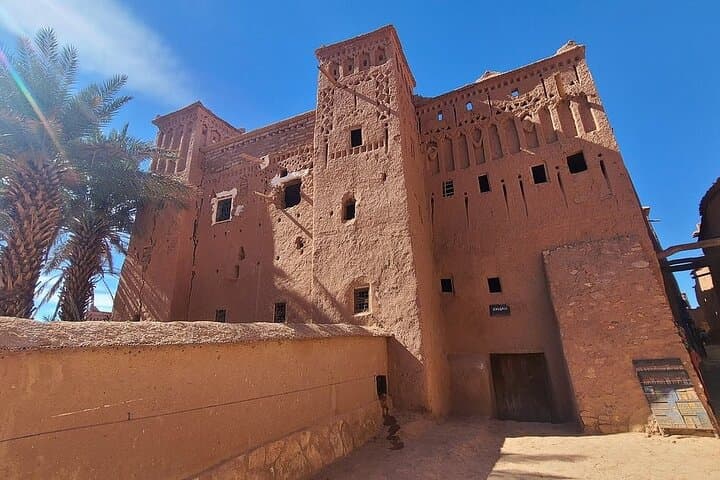
The route follows long-established trade and caravan corridors. Geologically, Erg Chebbi is a field of aeolian dunes formed by Atlas runoff and persistent northerly winds; nearby Ziz Oasis marks an old river line that supports date palms and small oases. Culturally, travelers encounter Berber villages and markets—small, practical settlements shaped by water, stone and seasonal grazing.
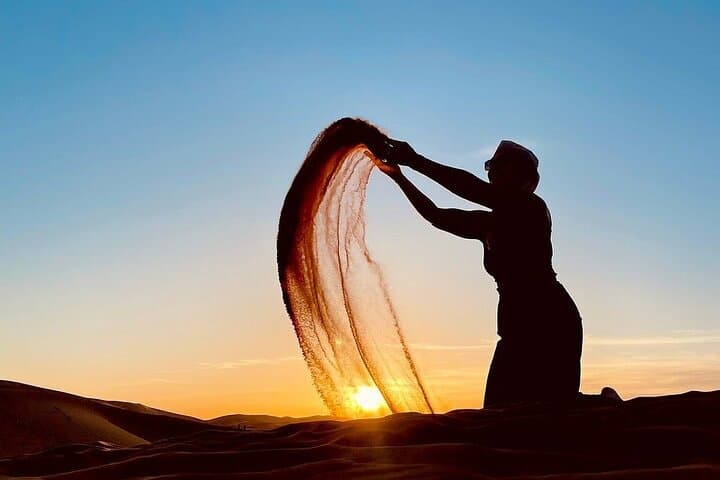
On arrival near Merzouga, camels and local guides take over. Expect a 1.5–2 hour camel trek timed for sunset, then dinner and sleep in a traditional Berber tent beneath a wide, unlit sky. Morning walkers can climb a dune ridge for sunrise before returning to Merzouga for a shower and the drive back via Rissani and Midelt.
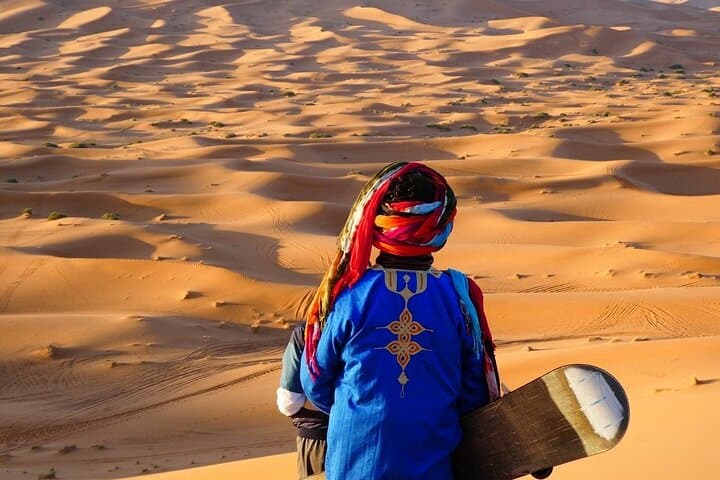
Practical essentials: departure from Fez is early; plan for 8–10 hours of driving total. Bring layered clothing for hot days and cool nights, sun protection, and sturdy shoes for dune walks. If you prefer less riding, sandboarding or 4x4 options are common extras. The route suits travelers with moderate fitness and a tolerance for long vehicle transfers—rewarded by vast desert space, clear stars, and a close-up of Berber hospitality.
moderate.
2 days (approx. 48 hours).
Moderate fitness recommended—able to handle long vehicle transfers, short hikes on sand and 1–2 hour camel rides
Typically about 1.5–2 hours from the pickup point near Merzouga to the desert camp, timed for sunset and paced for photos and rest stops.
Tents are simple but set up for guests—mattresses and bedding are provided, but expect basic amenities and cooler night temperatures.
Yes—both are common paid extras in Merzouga; book locally or arrange through the tour guide if you prefer an organized activity.
Not recommended for travelers with serious heart conditions or severe mobility limits; moderate fitness is required for camel rides and dune walking.
The road crosses historic trans-Saharan corridors; Merzouga and neighboring towns developed around water sources and camel trade routes used for centuries.
The desert environment is fragile—stick to established tracks, avoid leaving waste, and support camps that manage water and waste responsibly.
3t Travel operates guided outdoor trips and adventures with an emphasis on safety, stewardship, and memorable experiences.
A low sun slides over the Middle Atlas as a minivan peels out of Fez, folding the city’s medina into a flat of tile and minarets behind it. The road climbs through pine and cedar, passes Ifrane’s alpine-style streets, and opens into scrub and ochre rock. By late afternoon the landscape softens into the rippled hum of Erg Chebbi: tall, wind-sculpted dunes that seem to breathe with the desert.
A low sun slides over the Middle Atlas as a minivan peels out of Fez, folding the city’s medina into a flat of tile and minarets behind it. The road climbs through pine and cedar, passes Ifrane’s alpine-style streets, and opens into scrub and ochre rock. By late afternoon the landscape softens into the rippled hum of Erg Chebbi: tall, wind-sculpted dunes that seem to breathe with the desert.
The route follows long-established trade and caravan corridors. Geologically, Erg Chebbi is a field of aeolian dunes formed by Atlas runoff and persistent northerly winds; nearby Ziz Oasis marks an old river line that supports date palms and small oases. Culturally, travelers encounter Berber villages and markets—small, practical settlements shaped by water, stone and seasonal grazing.
On arrival near Merzouga, camels and local guides take over. Expect a 1.5–2 hour camel trek timed for sunset, then dinner and sleep in a traditional Berber tent beneath a wide, unlit sky. Morning walkers can climb a dune ridge for sunrise before returning to Merzouga for a shower and the drive back via Rissani and Midelt.
Practical essentials: departure from Fez is early; plan for 8–10 hours of driving total. Bring layered clothing for hot days and cool nights, sun protection, and sturdy shoes for dune walks. If you prefer less riding, sandboarding or 4x4 options are common extras. The route suits travelers with moderate fitness and a tolerance for long vehicle transfers—rewarded by vast desert space, clear stars, and a close-up of Berber hospitality.