THE ADVENTURE COLLECTIVE® · Independent discovery and booking for outdoor travel

Two days of sampans, floating markets and orchard visits take you from Ho Chi Minh City into the living network of the Lower Mekong. Early starts, local food and calm river travel define this cultural immersion.
Two days of sampans, floating markets and orchard visits take you from Ho Chi Minh City into the living network of the Lower Mekong. Early starts, local food and calm river travel define this cultural immersion.
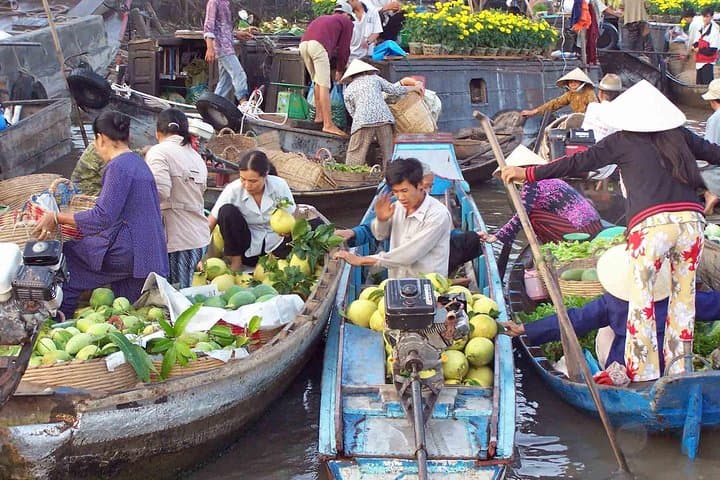
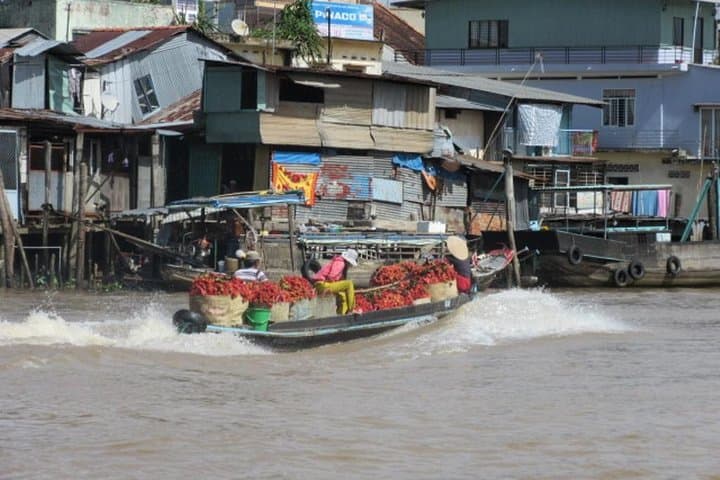
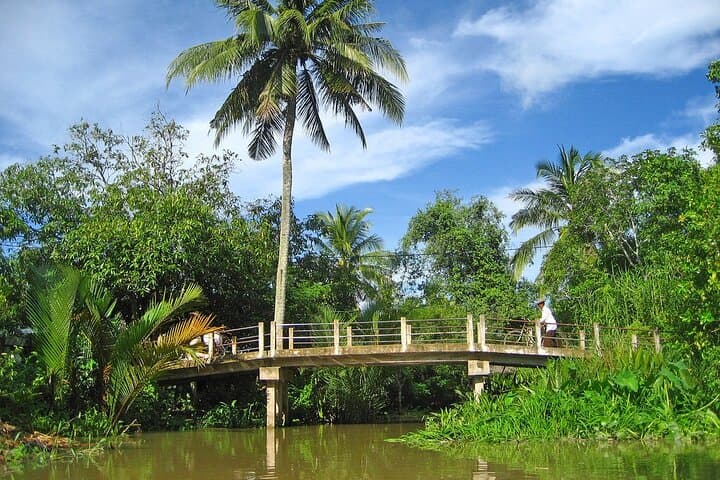
Morning mist lifts off the Mekong as a line of sampans sets out from Can Tho, the river pushing you gently into a world organized around water.
Verified experiences and guided adventures in the surrounding area.
Operated by Grayline Vietnam Threeland Travel · Can Tho, Can Tho
Morning mist lifts off the Mekong as a line of sampans sets out from Can Tho, the river pushing you gently into a world organized around water.
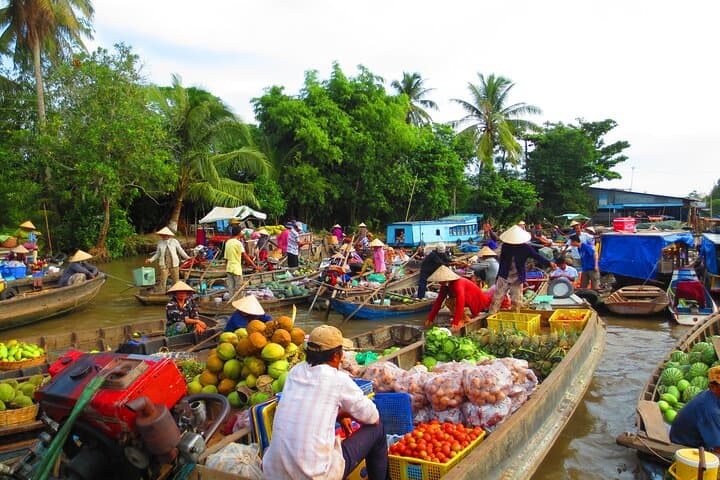
This two-day loop moves from Ho Chi Minh City into the braided channels of the Lower Mekong, where alluvial islands—formed by centuries of sediment—hold orchards, Khmer pagodas and markets afloat on the river itself. Cai Rang floating market grew from necessity: traders on boats swapped rice, produce and goods long before roads threaded the delta. You’ll pass Vinh Trang Pagoda’s French-influenced rooflines and the low Khmer silhouette of Munir Ansay, each structure marking the delta’s layered cultural history.
Expect humid air, bright fruit stalls and the creak of wooden oars as local sellers present goods from their boats. Island pathways lead to small family operations—bee farms, coconut candy workshops and noodle houses—where techniques are handed down rather than industrialized.
Practically: the itinerary includes one overnight in a local 3-star in Can Tho, set meals, transfers and English guide support. The floating market is best early—arrive before 8am for activity at its peak. Wear quick-dry clothing, a wide-brim hat and shoes that tolerate wet boarding. Bring modest swimwear only for isolated homestays; respect pagoda etiquette by covering shoulders and removing shoes.
Timing matters: weather can shift quickly in the monsoon season, and low-water months change navigation routes. Move slowly, carry cash in small notes for market purchases, and let the river’s rhythm set your pace—this is a trip measured in paddles and pauses, not speed.
easy.
2 days.
Suitable for travelers in basic everyday fitness; activities include short walks, light cycling and boat transfers.
Yes—A/C transfer and hotel pickup from Ho Chi Minh City are included; exact pickup point is requested at booking.
The tour includes 1 hotel breakfast, 2 lunches and 1 dinner with Vietnamese set menus listed in the inclusions.
Overnight lodging is a local 3-star hotel on a double or twin-sharing basis as specified in the inclusions.
The tour is labeled suitable for all fitness levels, but note there are boat transfers and some short walks or light cycling which may be difficult for limited mobility.
The Mekong Delta has long been a crossroads of Vietnamese and Khmer cultures; floating markets developed as a response to a network of rivers that predate modern roads.
Plastic waste and changing river flows affect the delta; support small local businesses, limit single-use plastics and follow guide advice to minimize your footprint.
Grayline Vietnam Threeland Travel operates guided outdoor trips and adventures with an emphasis on safety, stewardship, and memorable experiences.
Morning mist lifts off the Mekong as a line of sampans sets out from Can Tho, the river pushing you gently into a world organized around water.
Morning mist lifts off the Mekong as a line of sampans sets out from Can Tho, the river pushing you gently into a world organized around water.
This two-day loop moves from Ho Chi Minh City into the braided channels of the Lower Mekong, where alluvial islands—formed by centuries of sediment—hold orchards, Khmer pagodas and markets afloat on the river itself. Cai Rang floating market grew from necessity: traders on boats swapped rice, produce and goods long before roads threaded the delta. You’ll pass Vinh Trang Pagoda’s French-influenced rooflines and the low Khmer silhouette of Munir Ansay, each structure marking the delta’s layered cultural history.
Expect humid air, bright fruit stalls and the creak of wooden oars as local sellers present goods from their boats. Island pathways lead to small family operations—bee farms, coconut candy workshops and noodle houses—where techniques are handed down rather than industrialized.
Practically: the itinerary includes one overnight in a local 3-star in Can Tho, set meals, transfers and English guide support. The floating market is best early—arrive before 8am for activity at its peak. Wear quick-dry clothing, a wide-brim hat and shoes that tolerate wet boarding. Bring modest swimwear only for isolated homestays; respect pagoda etiquette by covering shoulders and removing shoes.
Timing matters: weather can shift quickly in the monsoon season, and low-water months change navigation routes. Move slowly, carry cash in small notes for market purchases, and let the river’s rhythm set your pace—this is a trip measured in paddles and pauses, not speed.