THE ADVENTURE COLLECTIVE® · Independent discovery and booking for outdoor travel

Cross the High Atlas from Marrakech and spend two days amid towering canyon walls, UNESCO kasbahs and the fragrant Rose Valley. This 2-day route pairs the cinematic Aït Ben Haddou with walks through Todgha and Dades gorges—ideal for travelers who want dramatic landscapes with manageable walking.
Cross the High Atlas from Marrakech and spend two days amid towering canyon walls, UNESCO kasbahs and the fragrant Rose Valley. This 2-day route pairs the cinematic Aït Ben Haddou with walks through Todgha and Dades gorges—ideal for travelers who want dramatic landscapes with manageable walking.
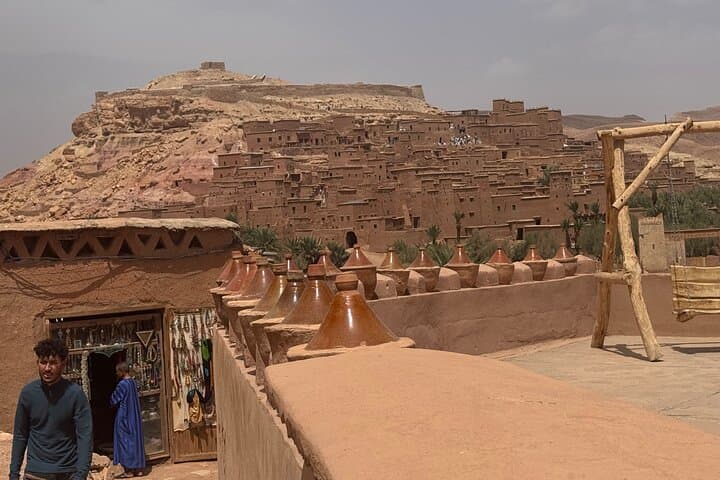
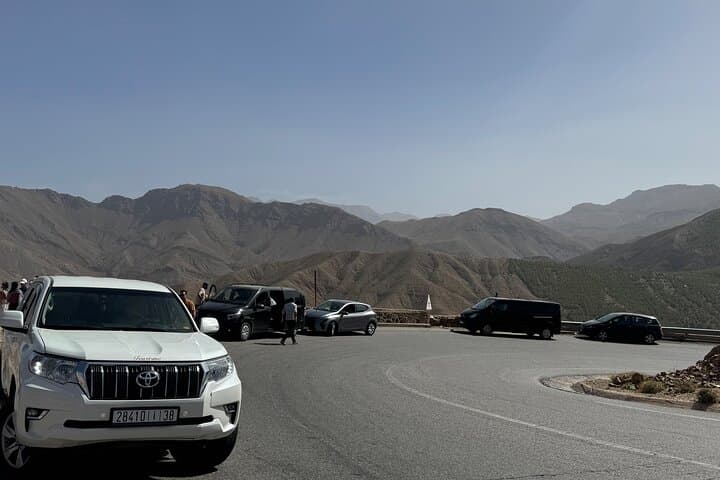
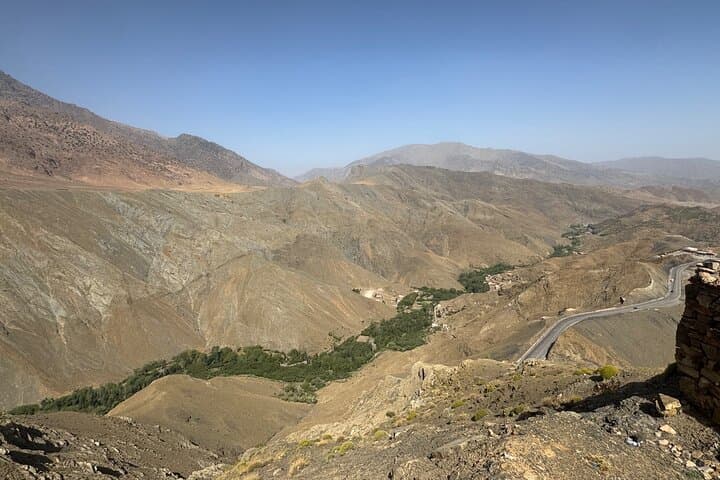
The minivan peels away from Marrakech at dawn, tires whispering over the Tizi n’Tichka pass as the High Atlas opens like a folded map. By mid-morning the ochre walls of Aït Ben Haddou appear—compact, sun-baked towers stacked along narrow alleys—and the road pushes east into a landscape of carved granite and sudden green ribbon oases. On day one you’ll cross high mountain serpents, stop for pictures at traditional kasbahs and sleep in Tinghir near the mouth of the Todgha Gorge.
Verified experiences and guided adventures in the surrounding area.
Operated by Excu Marrakech · Marrakech, Marrakech-Safi
The minivan peels away from Marrakech at dawn, tires whispering over the Tizi n’Tichka pass as the High Atlas opens like a folded map. By mid-morning the ochre walls of Aït Ben Haddou appear—compact, sun-baked towers stacked along narrow alleys—and the road pushes east into a landscape of carved granite and sudden green ribbon oases. On day one you’ll cross high mountain serpents, stop for pictures at traditional kasbahs and sleep in Tinghir near the mouth of the Todgha Gorge.
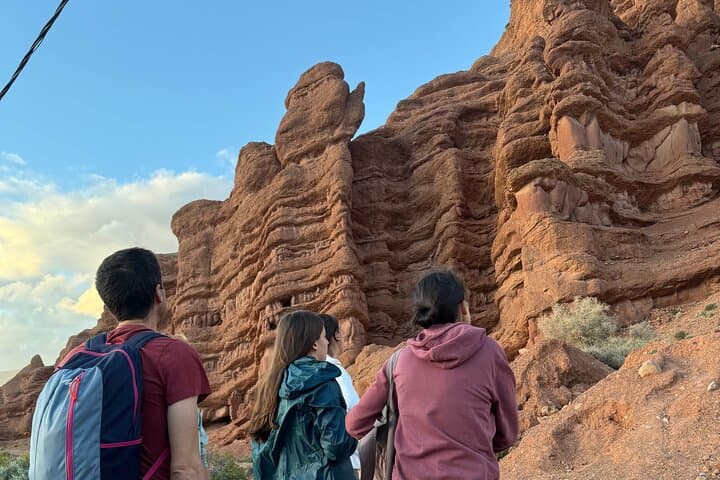
Todgha and Dades are geological pages ripped from deep time: the Todgha river has cut a corridor of vertical cliffs that rise sharply from a pebble riverbed, while the Dades Valley unfolds in stepped terraces and sculpted rock spires along the “Road of a Thousand Kasbahs.” Aït Ben Haddou, a UNESCO ksar, sits at the junction of caravan routes and modern film lore—its mud-brick facades show up in international cinema and Moroccan heritage stories alike. Kelaa M’Gouna’s rose cooperatives offer a cultural pause in the Rose Valley, and Ouarzazate’s film studios explain why this region doubles as Hollywood’s desert.
Practical edge: expect long driving stretches broken by short walks and cliffside paths; some walking is on loose rock and packed dirt. Pack sun protection and a refillable water bottle, and aim for early starts to avoid midday heat. Comfortable walking shoes and layered clothing handle cool mountain mornings and warm afternoons. Photography windows open at sunrise and late afternoon when limestone and clay walls swing from gold to brick—time your stops accordingly.
moderate.
2 days.
Suitable for travelers in average fitness—expect several hours of light walking each day and long drives between stops.
Expect several hours of driving each day across the High Atlas—stops break the journey into manageable sections, but prepare for full travel days.
The tour typically includes a guided visit to Aït Ben Haddou; studio entrance or guided tours in Ouarzazate may have separate fees—confirm with the operator.
Short walks are accessible, but gorges include uneven pathways and some steps; not ideal for travelers with serious mobility limitations.
Moroccan dirham (MAD) is used locally; Arabic and Tamazight are common, and many guides and tourism staff speak French and some English.
Aït Ben Haddou is a UNESCO-listed ksar on historic trans-Saharan routes and later a frequent film location; the Dades and Todgha valleys developed around irrigation-based oasis agriculture and kasbah defense.
Oasis ecosystems and river corridors are fragile; avoid littering, conserve water, and use local guides to support community-led tourism.
Excu Marrakech operates guided outdoor trips and adventures with an emphasis on safety, stewardship, and memorable experiences.
The minivan peels away from Marrakech at dawn, tires whispering over the Tizi n’Tichka pass as the High Atlas opens like a folded map. By mid-morning the ochre walls of Aït Ben Haddou appear—compact, sun-baked towers stacked along narrow alleys—and the road pushes east into a landscape of carved granite and sudden green ribbon oases. On day one you’ll cross high mountain serpents, stop for pictures at traditional kasbahs and sleep in Tinghir near the mouth of the Todgha Gorge.
The minivan peels away from Marrakech at dawn, tires whispering over the Tizi n’Tichka pass as the High Atlas opens like a folded map. By mid-morning the ochre walls of Aït Ben Haddou appear—compact, sun-baked towers stacked along narrow alleys—and the road pushes east into a landscape of carved granite and sudden green ribbon oases. On day one you’ll cross high mountain serpents, stop for pictures at traditional kasbahs and sleep in Tinghir near the mouth of the Todgha Gorge.
Todgha and Dades are geological pages ripped from deep time: the Todgha river has cut a corridor of vertical cliffs that rise sharply from a pebble riverbed, while the Dades Valley unfolds in stepped terraces and sculpted rock spires along the “Road of a Thousand Kasbahs.” Aït Ben Haddou, a UNESCO ksar, sits at the junction of caravan routes and modern film lore—its mud-brick facades show up in international cinema and Moroccan heritage stories alike. Kelaa M’Gouna’s rose cooperatives offer a cultural pause in the Rose Valley, and Ouarzazate’s film studios explain why this region doubles as Hollywood’s desert.
Practical edge: expect long driving stretches broken by short walks and cliffside paths; some walking is on loose rock and packed dirt. Pack sun protection and a refillable water bottle, and aim for early starts to avoid midday heat. Comfortable walking shoes and layered clothing handle cool mountain mornings and warm afternoons. Photography windows open at sunrise and late afternoon when limestone and clay walls swing from gold to brick—time your stops accordingly.