THE ADVENTURE COLLECTIVE® · Independent discovery and booking for outdoor travel

Cross the High Atlas, explore the UNESCO-listed Ait Ben Haddou and ride camels into the Draa Valley on this compact 2-day journey from Marrakech to Zagora. Expect dramatic mountain passes, oasis palm groves and an overnight desert camp under wide Saharan skies.
Cross the High Atlas, explore the UNESCO-listed Ait Ben Haddou and ride camels into the Draa Valley on this compact 2-day journey from Marrakech to Zagora. Expect dramatic mountain passes, oasis palm groves and an overnight desert camp under wide Saharan skies.
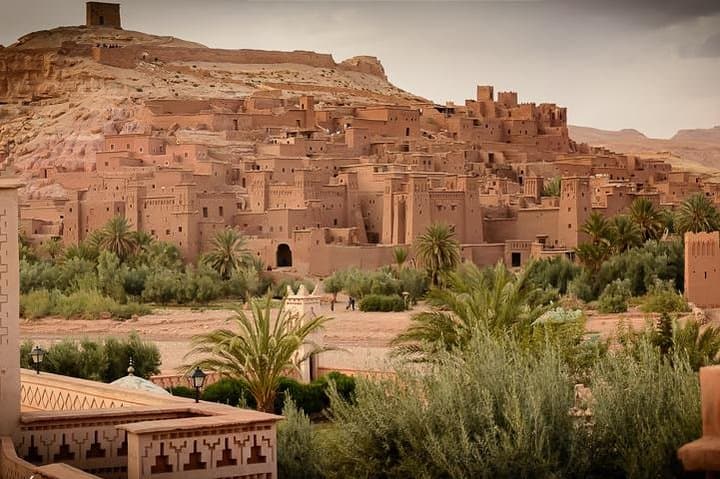
A low morning sun paints the High Atlas in bands of red and ochre as your vehicle climbs toward Tizi n'Tichka, the 2,260 m pass that cleaves Marrakech from the southern deserts. Wind and rock shape the road; fortified ksars appear on ridgelines and the air tastes of dust and distant spice markets. By midday you are standing at Ait Ben Haddou, the earthen 11th-century ksar that channels centuries of caravan trade into a compact, cinematic village of mud-brick architecture.
Verified experiences and guided adventures in the surrounding area.
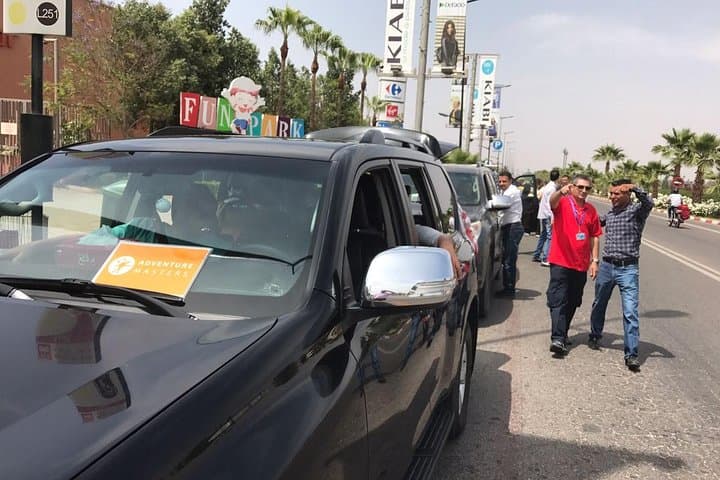
Operated by Adventure masters · Zagora, Drâa-Tafilalet
A low morning sun paints the High Atlas in bands of red and ochre as your vehicle climbs toward Tizi n'Tichka, the 2,260 m pass that cleaves Marrakech from the southern deserts. Wind and rock shape the road; fortified ksars appear on ridgelines and the air tastes of dust and distant spice markets. By midday you are standing at Ait Ben Haddou, the earthen 11th-century ksar that channels centuries of caravan trade into a compact, cinematic village of mud-brick architecture.
Geology and history move with you: the High Atlas is uplifted, folded terrain carved by seasonal torrents, while the Draa Valley below shelters long, ribboned palm groves where water—carefully channeled—keeps oases alive. Culture here leans Berber; villages around the valley retain crafts, kasbahs and the Tamgroute pottery tradition, and local guides often share stories of trans-Saharan caravans and film crews that used these landscapes as backdrops.
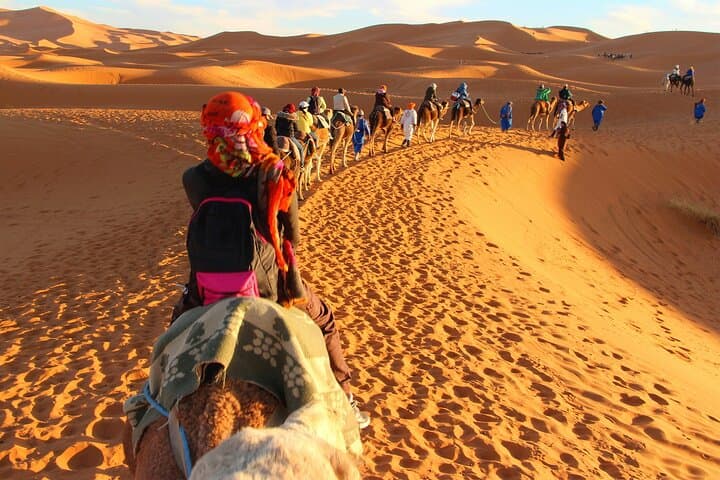
Practically, this is a travel-first, light-adventure tour: expect long driving stretches (Marrakech–Ouarzazate via Tizi n'Tichka followed by the Draa Valley to Zagora), short guided walks, a camel ride to a desert camp, and an overnight under the stars. Bring layered clothing for big day–night temperature swings, a reusable water bottle, sun protection and some cash for small village purchases.
Timing tips: early starts ease mountain traffic and catch cooler hours for camel trekking; keep valuables secure and follow your guide's instructions at the camp and on dunes to respect fragile desert soils and local customs.
easy.
2 days (approx. 48 hours).
Suitable for travelers in general good health; minimal walking required but expect long rides and short camel treks.
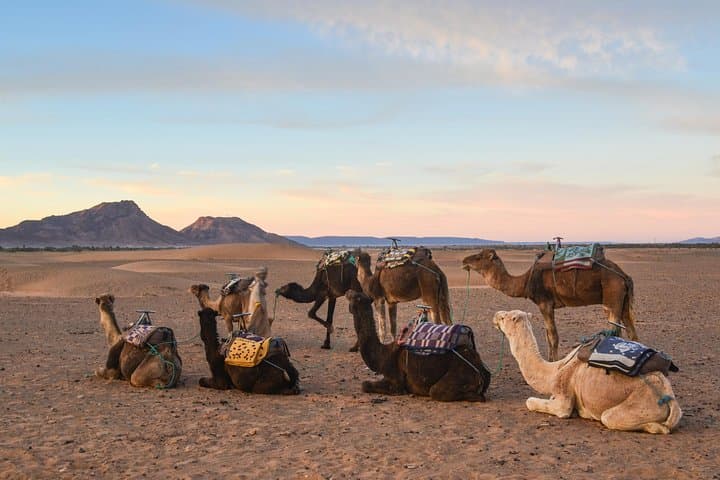
Camel rides typically last 30–60 minutes depending on the camp location and package—your operator will specify exact timing.
Yes; the tour notes that infants and small children can be accommodated, and infant seats are available—children should remain supervised during camel rides.
Accommodation is a basic desert camp setting—comfortable tents with shared facilities, dinner and breakfast included; standards vary by operator.
Yes, the itinerary often includes a stop at Ouarzazate where you can visit the film studios and take photos, time permitting.
Ait Ben Haddou is an earthen ksar with roots in trans-Saharan trade; much of the Draa Valley developed around irrigated oases and caravan routes.
Oasis ecosystems in the Draa are fragile—minimize water use, stick to established routes, and support local guides and artisans to sustain the area.
Adventure masters operates guided outdoor trips and adventures with an emphasis on safety, stewardship, and memorable experiences.
A low morning sun paints the High Atlas in bands of red and ochre as your vehicle climbs toward Tizi n'Tichka, the 2,260 m pass that cleaves Marrakech from the southern deserts. Wind and rock shape the road; fortified ksars appear on ridgelines and the air tastes of dust and distant spice markets. By midday you are standing at Ait Ben Haddou, the earthen 11th-century ksar that channels centuries of caravan trade into a compact, cinematic village of mud-brick architecture.
A low morning sun paints the High Atlas in bands of red and ochre as your vehicle climbs toward Tizi n'Tichka, the 2,260 m pass that cleaves Marrakech from the southern deserts. Wind and rock shape the road; fortified ksars appear on ridgelines and the air tastes of dust and distant spice markets. By midday you are standing at Ait Ben Haddou, the earthen 11th-century ksar that channels centuries of caravan trade into a compact, cinematic village of mud-brick architecture.
Geology and history move with you: the High Atlas is uplifted, folded terrain carved by seasonal torrents, while the Draa Valley below shelters long, ribboned palm groves where water—carefully channeled—keeps oases alive. Culture here leans Berber; villages around the valley retain crafts, kasbahs and the Tamgroute pottery tradition, and local guides often share stories of trans-Saharan caravans and film crews that used these landscapes as backdrops.
Practically, this is a travel-first, light-adventure tour: expect long driving stretches (Marrakech–Ouarzazate via Tizi n'Tichka followed by the Draa Valley to Zagora), short guided walks, a camel ride to a desert camp, and an overnight under the stars. Bring layered clothing for big day–night temperature swings, a reusable water bottle, sun protection and some cash for small village purchases.
Timing tips: early starts ease mountain traffic and catch cooler hours for camel trekking; keep valuables secure and follow your guide's instructions at the camp and on dunes to respect fragile desert soils and local customs.