THE ADVENTURE COLLECTIVE® · Independent discovery and booking for outdoor travel

Cross the High Atlas, ride camels across the Erg Chebbi dunes, and end in Fes on a compact 2-day journey that pairs scenic drives with an overnight desert camp. Ideal if you want a fast, immersive taste of Morocco’s varied landscapes.
Cross the High Atlas, ride camels across the Erg Chebbi dunes, and end in Fes on a compact 2-day journey that pairs scenic drives with an overnight desert camp. Ideal if you want a fast, immersive taste of Morocco’s varied landscapes.
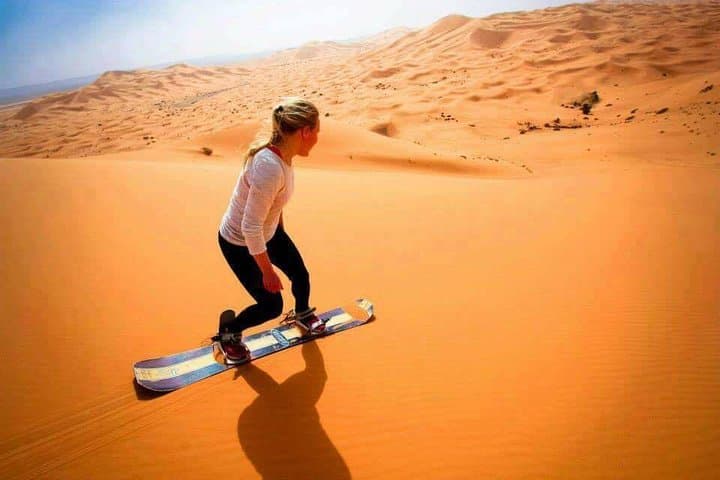
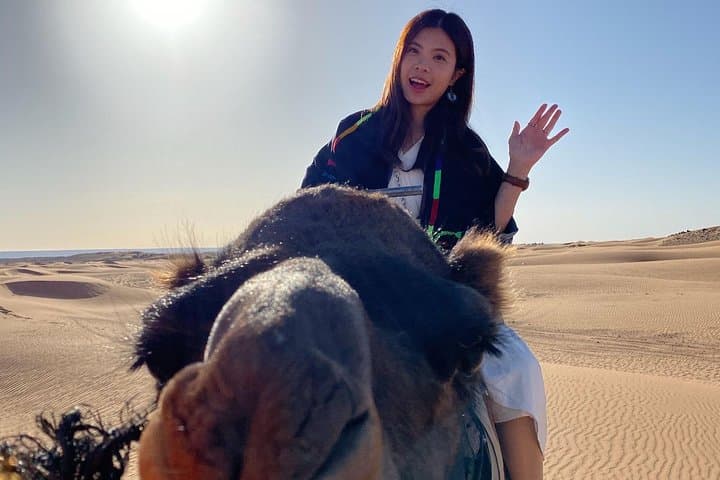
The first light of dawn strips the High Atlas of color and the road becomes a ribbon of ochre and shadow as your vehicle climbs toward the passes. By midday the slate roofs of kasbah towns give way to palm groves and then the Sahara’s orange ribs: the Erg Chebbi dunes at Merzouga, where camels stand like patient sentinels waiting to carry you across sand that shifts with its own mood.
Verified experiences and guided adventures in the surrounding area.
Operated by Trusty Travel · Merzouga, Errachidia Province
The first light of dawn strips the High Atlas of color and the road becomes a ribbon of ochre and shadow as your vehicle climbs toward the passes. By midday the slate roofs of kasbah towns give way to palm groves and then the Sahara’s orange ribs: the Erg Chebbi dunes at Merzouga, where camels stand like patient sentinels waiting to carry you across sand that shifts with its own mood.
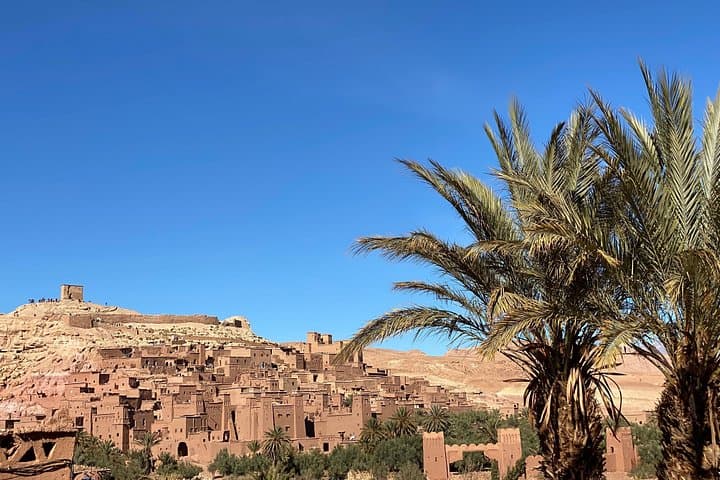
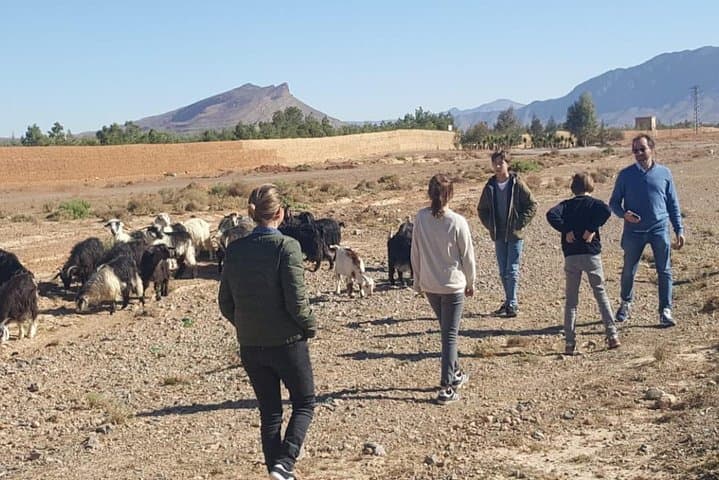
This route follows ancient trade arteries between Marrakech and Fes. Geology moves from volcanic Atlas peaks through river-cut gorges into the wind-shaped dunes of the eastern Sahara; the Ziz Valley’s palm oases are relics of irrigation practices centuries old. Culture here is Berber and deeply local — kasbahs with mud-brick façades, village markets, and the cedar forests higher up where Barbary macaques live among cedars.
Expect a long day of driving punctuated by short hikes, village stops, and an afternoon camel trek that ends at a desert camp. Nights in a desert tent bring wide, slow-moving skies; mornings require patience as the sand cools and the wind sloughs new patterns.
Practical notes: bring layered clothing for hot days and cool nights, carry ample water and sun protection, and plan for several hours on unpaved roads. If you’re sensitive to motion, take anti-nausea measures for the mountain sections. Respect local customs in villages, tip camel handlers, and keep to marked tracks around dunes to reduce erosion. This compact two-day itinerary packs driving, culture, and Sahara walking into an accessible adventure for first-time desert travelers.
easy.
2 days (approx. 48 hours).
Suitable for travelers with basic fitness; expect short walks on sand and the ability to mount/dismount camels.
Typical camel rides across the dunes last 1–2 hours each way depending on where the guide leads you and the camp location.
Yes—operators mark this as suitable for all fitness levels; however, assess camel comfort and long vehicle transfers for very young children or those with mobility limits.
Carry your passport details and small local cash (dirham) for tips, small purchases, and remote stops where cards may not be accepted.
Most two-day tours include dinner at camp and breakfast; check the specific operator details for dietary needs and meal timing.
The route loosely follows historic trans-Saharan corridors and caravan stops; kasbahs and ksour along the way were once storage and defense points for traders.
Water is scarce; favor operators who limit camp waste, avoid trampling dune vegetation, and support local guides to keep tourism benefits in the region.
Trusty Travel operates guided outdoor trips and adventures with an emphasis on safety, stewardship, and memorable experiences.
The first light of dawn strips the High Atlas of color and the road becomes a ribbon of ochre and shadow as your vehicle climbs toward the passes. By midday the slate roofs of kasbah towns give way to palm groves and then the Sahara’s orange ribs: the Erg Chebbi dunes at Merzouga, where camels stand like patient sentinels waiting to carry you across sand that shifts with its own mood.
The first light of dawn strips the High Atlas of color and the road becomes a ribbon of ochre and shadow as your vehicle climbs toward the passes. By midday the slate roofs of kasbah towns give way to palm groves and then the Sahara’s orange ribs: the Erg Chebbi dunes at Merzouga, where camels stand like patient sentinels waiting to carry you across sand that shifts with its own mood.
This route follows ancient trade arteries between Marrakech and Fes. Geology moves from volcanic Atlas peaks through river-cut gorges into the wind-shaped dunes of the eastern Sahara; the Ziz Valley’s palm oases are relics of irrigation practices centuries old. Culture here is Berber and deeply local — kasbahs with mud-brick façades, village markets, and the cedar forests higher up where Barbary macaques live among cedars.
Expect a long day of driving punctuated by short hikes, village stops, and an afternoon camel trek that ends at a desert camp. Nights in a desert tent bring wide, slow-moving skies; mornings require patience as the sand cools and the wind sloughs new patterns.
Practical notes: bring layered clothing for hot days and cool nights, carry ample water and sun protection, and plan for several hours on unpaved roads. If you’re sensitive to motion, take anti-nausea measures for the mountain sections. Respect local customs in villages, tip camel handlers, and keep to marked tracks around dunes to reduce erosion. This compact two-day itinerary packs driving, culture, and Sahara walking into an accessible adventure for first-time desert travelers.