THE ADVENTURE COLLECTIVE® · Independent discovery and booking for outdoor travel

A compact, well-organized two-day introduction to Manu National Park that combines cloud-forest walks, a lodge stay and a raft trip on Lake Machuwasi. Ideal for travelers who want concentrated Amazon wildlife viewing without an extended expedition.
A compact, well-organized two-day introduction to Manu National Park that combines cloud-forest walks, a lodge stay and a raft trip on Lake Machuwasi. Ideal for travelers who want concentrated Amazon wildlife viewing without an extended expedition.
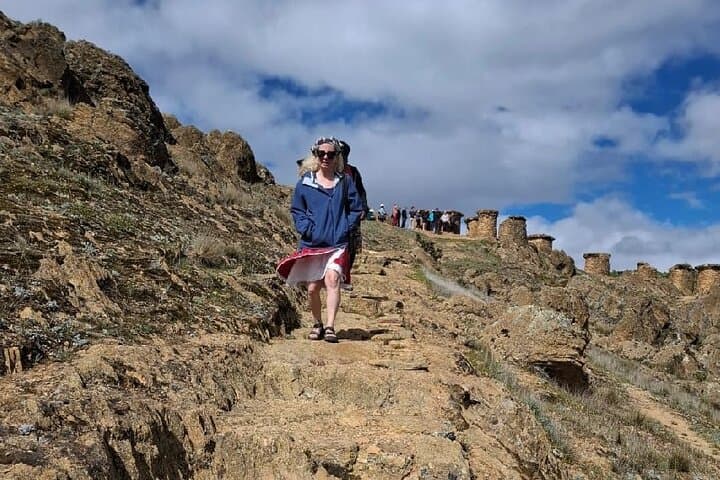
Before dawn a small convoy slips away from Cusco, the city’s red tile roofs shrinking behind a rising cloud layer. The road climbs through puna and past the pre-Inca cemetery of Ninamarca before dropping sharply into the cloud forest; by afternoon the air smells of wet earth and bromeliads, and the calls of the cock-of-the-rock punctuate the canopy.
Verified experiences and guided adventures in the surrounding area.
Operated by Trails to Machu Picchu · Cusco, Cusco
Before dawn a small convoy slips away from Cusco, the city’s red tile roofs shrinking behind a rising cloud layer. The road climbs through puna and past the pre-Inca cemetery of Ninamarca before dropping sharply into the cloud forest; by afternoon the air smells of wet earth and bromeliads, and the calls of the cock-of-the-rock punctuate the canopy.
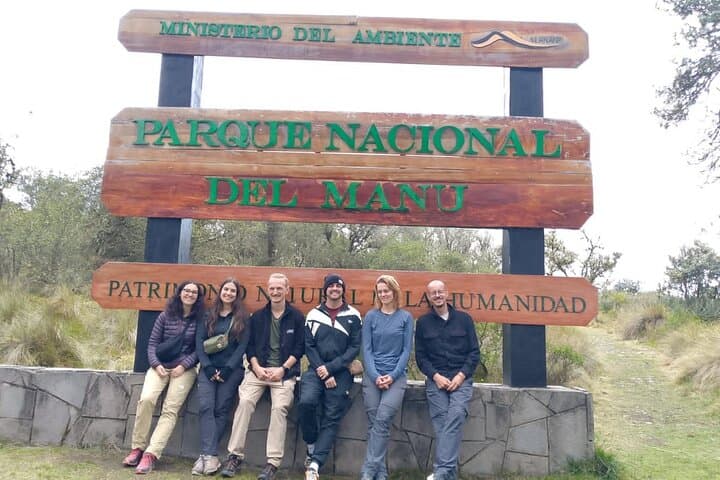
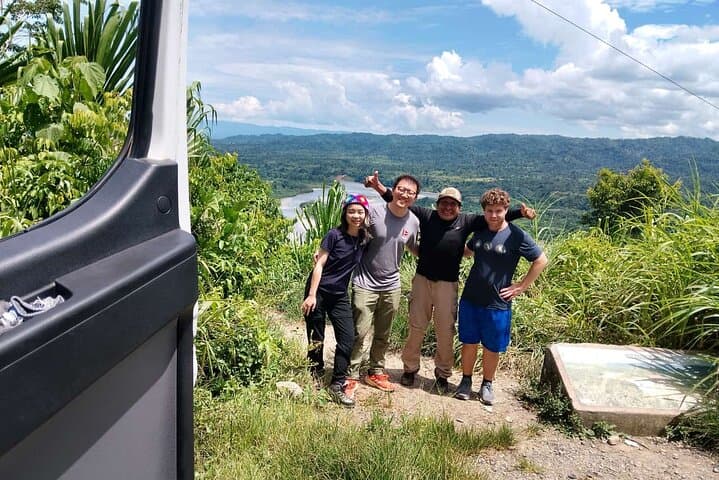
Manu National Park is one of the most biodiverse places on Earth — a UNESCO Biosphere Reserve where Andean foothills give way to lowland rainforest. Geology here is dramatic: eroded Andean slopes feed sediment and nutrients into ancient Amazonian soils, creating the lush, layered habitat that supports macaws, squirrel monkeys, hoatzins and, with luck, larger mammals. Local communities along the park edge maintain traditional knowledge of medicinal plants and seasonal wildlife movements.
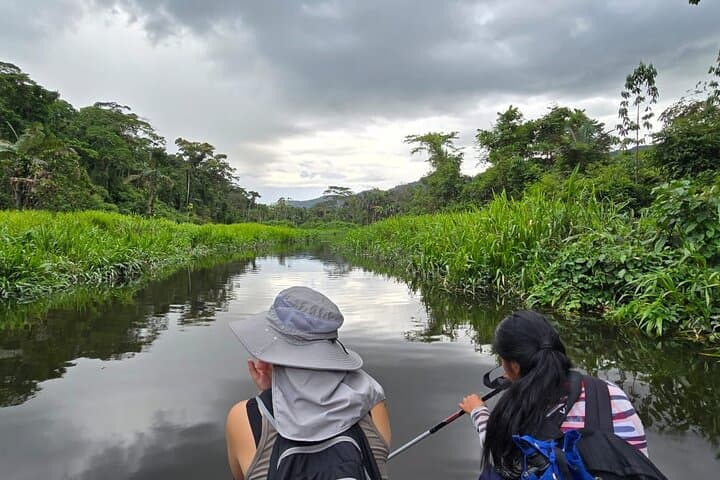
This two-day itinerary pairs steady, guided walks with a lodge stay and a short raft trip on Lake Machuwasi. Expect muddy trails, steep short climbs in the cloud forest, and quiet canoeing at dawn. Guides provide rubber boots, meals, and practical orientation; nights often include optional night walks to spot nocturnal frogs, spiders and night monkeys.
Practical notes: prepare for rapid temperature and humidity shifts — layers and waterproofs are essential. Hydrate before leaving high-altitude Cusco to ease the descent. Bring binoculars, insect repellent and a small daypack; power is limited at remote lodges. The tour is compact but immersive: it’s less about long-distance trekking and more about concentrated wildlife observation and cultural context in a protected stretch of the Peruvian Amazon.
moderate.
2 days.
Moderate fitness recommended — able to walk 2–4 hours across uneven, sometimes steep jungle trails and board small boats.
Pick-up is provided from hotels in Cusco around 5:00 a.m.; you’ll be given a pickup point during booking to confirm exact details.
Yellow fever is commonly recommended for travel in Amazon regions; check current travel health advice and carry proof if required for onward travel.
Walks are mostly short to moderate in length on uneven, sometimes muddy trails; participants should be comfortable with 2–4 hours of walking across variable terrain.
The tour uses a simple wooden lodge with shared facilities and basic comfort; meals are provided and guides supply rubber boots and drinking water.
Manu sits at the ecological crossroads between high Andes and Amazon basin; declared a UNESCO Biosphere Reserve for its outstanding biodiversity and cultural heritage.
Access is regulated to minimize impact; visitors should follow leave-no-trace practices, avoid single-use plastic, and respect protected zones and local communities.
Trails to Machu Picchu operates guided outdoor trips and adventures with an emphasis on safety, stewardship, and memorable experiences.
Before dawn a small convoy slips away from Cusco, the city’s red tile roofs shrinking behind a rising cloud layer. The road climbs through puna and past the pre-Inca cemetery of Ninamarca before dropping sharply into the cloud forest; by afternoon the air smells of wet earth and bromeliads, and the calls of the cock-of-the-rock punctuate the canopy.
Before dawn a small convoy slips away from Cusco, the city’s red tile roofs shrinking behind a rising cloud layer. The road climbs through puna and past the pre-Inca cemetery of Ninamarca before dropping sharply into the cloud forest; by afternoon the air smells of wet earth and bromeliads, and the calls of the cock-of-the-rock punctuate the canopy.
Manu National Park is one of the most biodiverse places on Earth — a UNESCO Biosphere Reserve where Andean foothills give way to lowland rainforest. Geology here is dramatic: eroded Andean slopes feed sediment and nutrients into ancient Amazonian soils, creating the lush, layered habitat that supports macaws, squirrel monkeys, hoatzins and, with luck, larger mammals. Local communities along the park edge maintain traditional knowledge of medicinal plants and seasonal wildlife movements.
This two-day itinerary pairs steady, guided walks with a lodge stay and a short raft trip on Lake Machuwasi. Expect muddy trails, steep short climbs in the cloud forest, and quiet canoeing at dawn. Guides provide rubber boots, meals, and practical orientation; nights often include optional night walks to spot nocturnal frogs, spiders and night monkeys.
Practical notes: prepare for rapid temperature and humidity shifts — layers and waterproofs are essential. Hydrate before leaving high-altitude Cusco to ease the descent. Bring binoculars, insect repellent and a small daypack; power is limited at remote lodges. The tour is compact but immersive: it’s less about long-distance trekking and more about concentrated wildlife observation and cultural context in a protected stretch of the Peruvian Amazon.