THE ADVENTURE COLLECTIVE® · Independent discovery and booking for outdoor travel

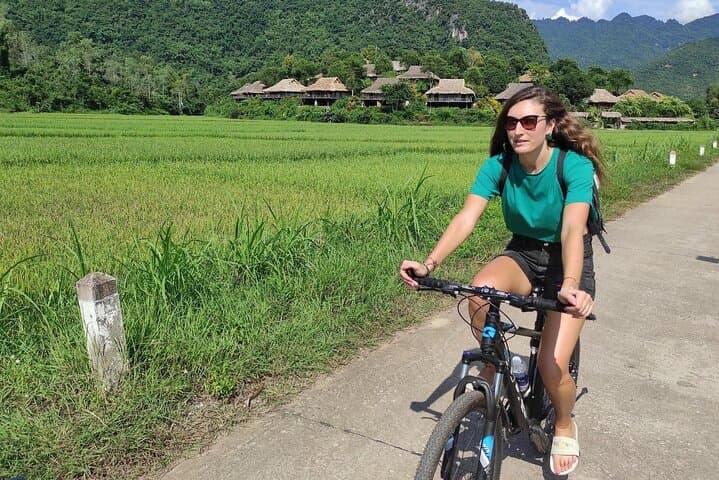
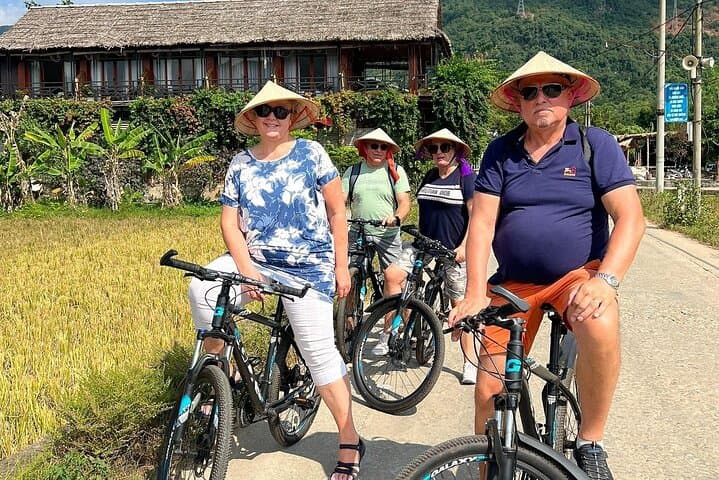
Spend two days cycling and walking from Mai Chau to Pu Luong through rice terraces, karst passes, and Thai minority villages. Expect mixed-surface bike routes, a large limestone cave, hands-on cultural stops, and quiet valley views.
Spend two days cycling and walking from Mai Chau to Pu Luong through rice terraces, karst passes, and Thai minority villages. Expect mixed-surface bike routes, a large limestone cave, hands-on cultural stops, and quiet valley views.
Morning light slices across limestone spires as you climb out of Hanoi and the road unfurls toward Thung Khe Pass — a sharp shoulder of rock that announces the change from lowland bustle to highland rhythms. By late morning the valley opens: green rice terraces cut into slopes, wooden stilt houses clustered along narrow lanes, and limestone towers that push clouds into motion.
Verified experiences and guided adventures in the surrounding area.
Operated by Dragon Tourist - Vina Cruise · Mai Chau, Hoa Binh
Morning light slices across limestone spires as you climb out of Hanoi and the road unfurls toward Thung Khe Pass — a sharp shoulder of rock that announces the change from lowland bustle to highland rhythms. By late morning the valley opens: green rice terraces cut into slopes, wooden stilt houses clustered along narrow lanes, and limestone towers that push clouds into motion.
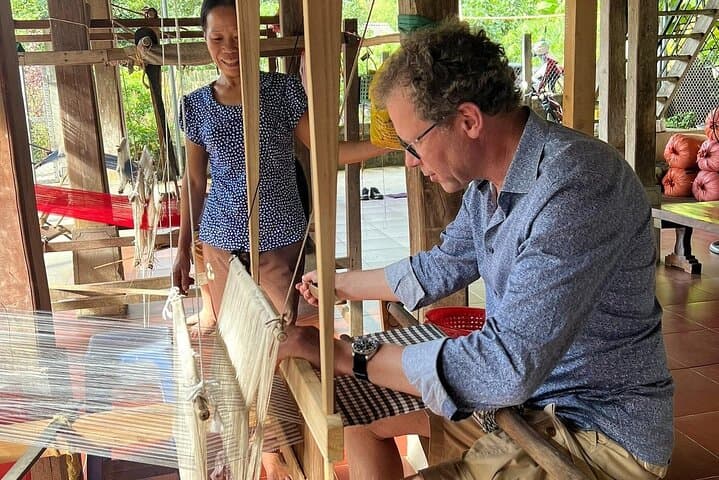
This two-day loop threads culture and geology. Mai Chau sits in Hoa Binh province and has long been home to Thai minority communities; expect to meet families who keep embroidery and weaving practices alive. The karst ridges around Thung Khe and Pu Luong are part of a landscape shaped over 250 million years of uplift and erosion, with caves such as Doi (Bat) Cave formed by slow water and limestone chemistry. Local life is river-driven — water wheels and bamboo aqueducts still move irrigation in traditional ways.
Practically, the trip balances easy to moderate cycling on mixed paved and dirt lanes (expect 10–25 km of riding on tour days) with short walks through village tracks and a cave visit that involves uneven steps and damp surfaces. Plan for early starts to catch terrace light, bring layered rain protection, and carry cash for village purchases. Hydrate often on climbs, wear shoes that grip wet stone, and leave room in your bag for a spontaneous weaving demonstration or a roadside snack of sticky rice. The route rewards observers: farmers, water wheels, and limestone cliffs that seem to nudge you onward.
moderate.
2 days (approx 48 hours).
Suitable for travelers with moderate fitness: able to ride 10–25 km and walk up to a few hours on uneven ground.
Moderate fitness is required: routes are mostly low-traffic rural roads with occasional climbs; expect 10–25 km of riding per active day.
Overnight is typically at local guesthouses or small lodges in Pu Luong with basic comforts and local meals provided.
Yes — the tour supplies high-quality sports bikes and safety helmets; bring your own gloves and padded shorts if you prefer.
Families with older, active children can participate; not recommended for travelers with significant back or mobility problems due to uneven paths and bike handling.
Mai Chau and surrounding valleys have been inhabited by Thai communities for centuries; traditional weaving and raised stilt houses reflect a long agricultural history.
Pu Luong is a protected reserve with community-based conservation; visitors should stick to trails, avoid single-use plastics, and support local guides to help fund preservation.
Dragon Tourist - Vina Cruise operates guided outdoor trips and adventures with an emphasis on safety, stewardship, and memorable experiences.
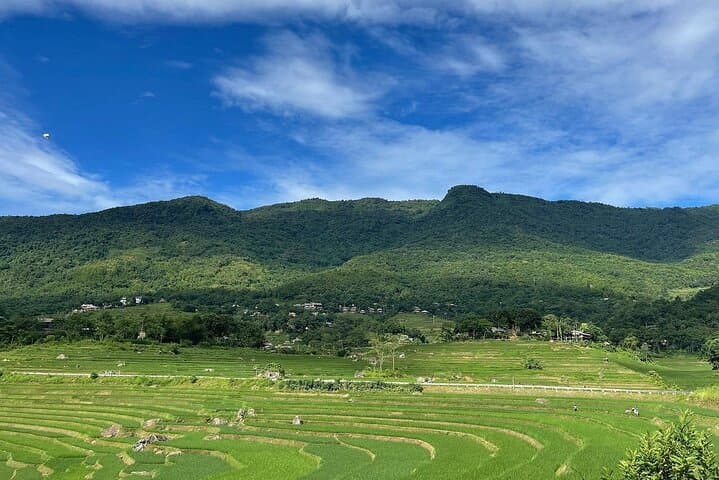
Morning light slices across limestone spires as you climb out of Hanoi and the road unfurls toward Thung Khe Pass — a sharp shoulder of rock that announces the change from lowland bustle to highland rhythms. By late morning the valley opens: green rice terraces cut into slopes, wooden stilt houses clustered along narrow lanes, and limestone towers that push clouds into motion.
Morning light slices across limestone spires as you climb out of Hanoi and the road unfurls toward Thung Khe Pass — a sharp shoulder of rock that announces the change from lowland bustle to highland rhythms. By late morning the valley opens: green rice terraces cut into slopes, wooden stilt houses clustered along narrow lanes, and limestone towers that push clouds into motion.
This two-day loop threads culture and geology. Mai Chau sits in Hoa Binh province and has long been home to Thai minority communities; expect to meet families who keep embroidery and weaving practices alive. The karst ridges around Thung Khe and Pu Luong are part of a landscape shaped over 250 million years of uplift and erosion, with caves such as Doi (Bat) Cave formed by slow water and limestone chemistry. Local life is river-driven — water wheels and bamboo aqueducts still move irrigation in traditional ways.
Practically, the trip balances easy to moderate cycling on mixed paved and dirt lanes (expect 10–25 km of riding on tour days) with short walks through village tracks and a cave visit that involves uneven steps and damp surfaces. Plan for early starts to catch terrace light, bring layered rain protection, and carry cash for village purchases. Hydrate often on climbs, wear shoes that grip wet stone, and leave room in your bag for a spontaneous weaving demonstration or a roadside snack of sticky rice. The route rewards observers: farmers, water wheels, and limestone cliffs that seem to nudge you onward.