THE ADVENTURE COLLECTIVE® · Independent discovery and booking for outdoor travel

A two-day escape from Hanoi into Mai Chau’s rice-valley quiet: cycle narrow lanes to weaving workshops, swim beneath Tat Nang waterfall and soak in a wild hot spring before watching Hoà Bình lake glow at dusk. Practical, people-first travel with easy activity and meaningful cultural exchange.
A two-day escape from Hanoi into Mai Chau’s rice-valley quiet: cycle narrow lanes to weaving workshops, swim beneath Tat Nang waterfall and soak in a wild hot spring before watching Hoà Bình lake glow at dusk. Practical, people-first travel with easy activity and meaningful cultural exchange.
You leave Hanoi before dawn and the city’s clamor thins into a ribbon of road curling through karst ridges and craggy outcrops. By mid-morning the air has softened—rice paddies flatten into a broad green basin and stilt houses appear like quiet punctuation marks. Mai Chau announces itself not with a single landmark but with pace: the slow clip of bicycles on village lanes, the whistle of wind through tall grasses, and the occasional shout of children herding water buffalo.
Verified experiences and guided adventures in the surrounding area.
Operated by DCT Responsible Travel · Mai Chau, Hoa Binh
You leave Hanoi before dawn and the city’s clamor thins into a ribbon of road curling through karst ridges and craggy outcrops. By mid-morning the air has softened—rice paddies flatten into a broad green basin and stilt houses appear like quiet punctuation marks. Mai Chau announces itself not with a single landmark but with pace: the slow clip of bicycles on village lanes, the whistle of wind through tall grasses, and the occasional shout of children herding water buffalo.
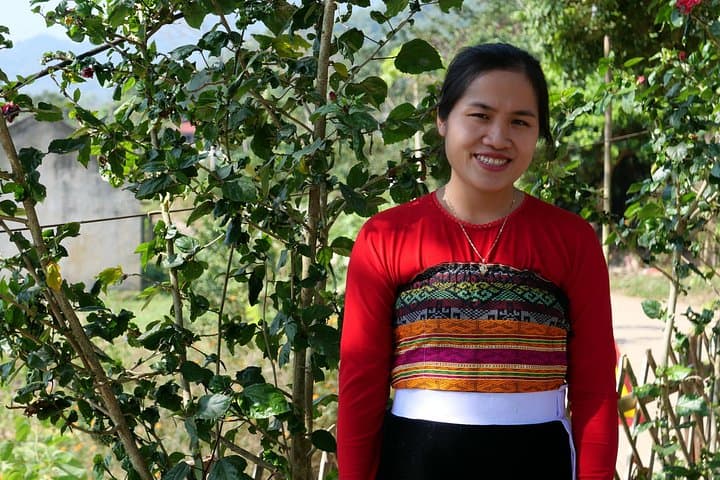
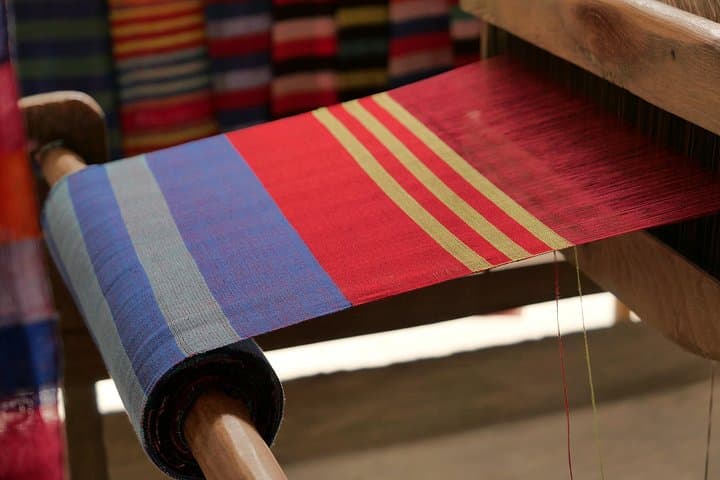
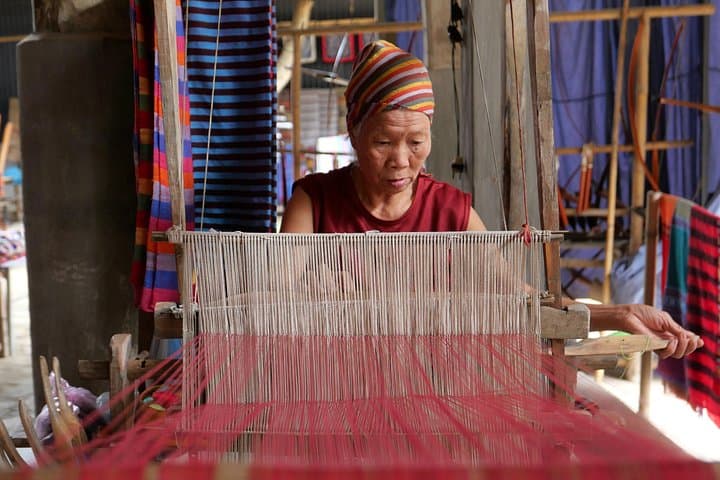
Mai Chau sits in Hòa Bình province, a low valley carved between limestone hills that were folded and weathered over millennia. The valley has long been home to the White Thai people, whose weaving and agricultural rhythms shape daily life. Visiting Na Phon village and the Hoa Ban Social Protecting Center on this two-day loop is both a cultural exchange and a practical education: you’ll learn natural-dye techniques that tie local botany to centuries-old textile patterns while supporting women-led cooperatives.
Geology and human history are close here. The limestone fingers that frame the valley create microclimates that sustain terraced paddies and small forest patches; downstream, the Hoà Bình hydropower project reshaped the landscape and created the vast Hoa Binh Lake—nicknamed “Halong Bay on the Mountain” for its flooded karst islets.
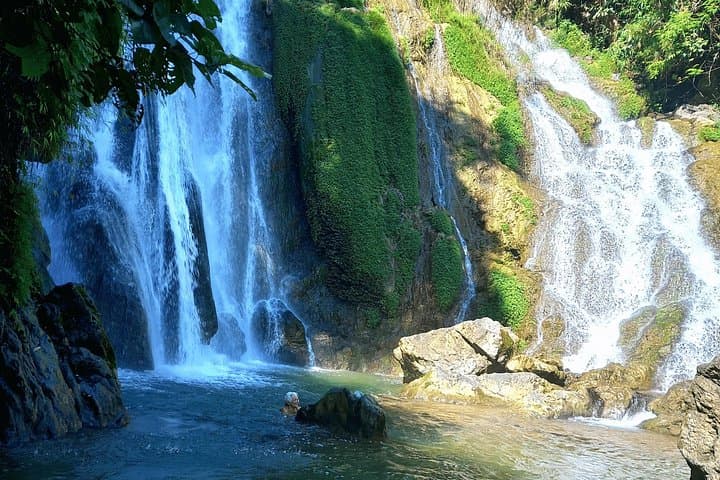
The itinerary is compact and outdoorsy. Day one is a gentle introduction—about 8–15 km of cycling on flat to rolling lanes between homestay and Na Phon, punctuated by a hands-on weaving workshop and a homestay dinner. Overnight in a traditional stilt house means shared spaces and simple comfort. Day two turns private: an early motorbike transfer to the hidden Tạt Nàng waterfall for wild swimming, then a soak at Phu Mau hot spring before a leisurely return stop at Hoa Binh Lake and the ride back to Hanoi.
Practical edge: the cycling is easy but surfaces can be loose or muddy after rain; Tat Nang involves slippery rocks where water is cold even in summer. Expect 3 hours of driving each way from Hanoi, organized pickup from the Old Quarter, and homestay accommodation with shared facilities. Bring a water bottle, quick-dry layers, sturdy sandals for river approaches, and a modest gift (or small amount of cash) for local stalls. Respect household customs—remove shoes before entering stilt homes and ask before photographing people.
For travelers who prefer low-impact, people-first travel, this two-day loop delivers both scenery and hands-on cultural exchange without long hikes or technical gear. It’s an introduction to northern Vietnam’s rural life, best experienced slowly and with curiosity.
easy.
2 days (approx. 48 hours including transport).
Suitable for most fitness levels; can handle short bike rides (8–15 km) and easy walking to waterfall pools.
Approximately 3 hours each way by air-conditioned vehicle, depending on traffic and route conditions.
Yes—routes are mostly flat to gently rolling on quiet village lanes; basic cycling ability and comfort on mixed surfaces are enough.
Shared traditional stilt-house accommodation with simple beds, communal dining and locally prepared meals; bring modest toiletries.
Swimming is informal; guides are on hand but there are no lifeguards—exercise caution on slippery rocks and strong currents after heavy rain.
Hosts are typically flexible—note dietary requirements when booking so local cooks can prepare appropriate meals.
Generally yes for older children; infants must sit on laps during transport and the tour isn’t recommended for travelers with serious cardiovascular conditions or pregnant guests.
Mai Chau’s White Thai communities have farmed and woven in the valley for centuries; handicraft centers like Hoa Ban support traditional textiles and local livelihoods.
Visitors should minimize plastic waste, support community-run workshops, and follow guidance to avoid disturbing irrigation channels and fragile terraces.
DCT Responsible Travel operates guided outdoor trips and adventures with an emphasis on safety, stewardship, and memorable experiences.
You leave Hanoi before dawn and the city’s clamor thins into a ribbon of road curling through karst ridges and craggy outcrops. By mid-morning the air has softened—rice paddies flatten into a broad green basin and stilt houses appear like quiet punctuation marks. Mai Chau announces itself not with a single landmark but with pace: the slow clip of bicycles on village lanes, the whistle of wind through tall grasses, and the occasional shout of children herding water buffalo.
You leave Hanoi before dawn and the city’s clamor thins into a ribbon of road curling through karst ridges and craggy outcrops. By mid-morning the air has softened—rice paddies flatten into a broad green basin and stilt houses appear like quiet punctuation marks. Mai Chau announces itself not with a single landmark but with pace: the slow clip of bicycles on village lanes, the whistle of wind through tall grasses, and the occasional shout of children herding water buffalo.
Mai Chau sits in Hòa Bình province, a low valley carved between limestone hills that were folded and weathered over millennia. The valley has long been home to the White Thai people, whose weaving and agricultural rhythms shape daily life. Visiting Na Phon village and the Hoa Ban Social Protecting Center on this two-day loop is both a cultural exchange and a practical education: you’ll learn natural-dye techniques that tie local botany to centuries-old textile patterns while supporting women-led cooperatives.
Geology and human history are close here. The limestone fingers that frame the valley create microclimates that sustain terraced paddies and small forest patches; downstream, the Hoà Bình hydropower project reshaped the landscape and created the vast Hoa Binh Lake—nicknamed “Halong Bay on the Mountain” for its flooded karst islets.
The itinerary is compact and outdoorsy. Day one is a gentle introduction—about 8–15 km of cycling on flat to rolling lanes between homestay and Na Phon, punctuated by a hands-on weaving workshop and a homestay dinner. Overnight in a traditional stilt house means shared spaces and simple comfort. Day two turns private: an early motorbike transfer to the hidden Tạt Nàng waterfall for wild swimming, then a soak at Phu Mau hot spring before a leisurely return stop at Hoa Binh Lake and the ride back to Hanoi.
Practical edge: the cycling is easy but surfaces can be loose or muddy after rain; Tat Nang involves slippery rocks where water is cold even in summer. Expect 3 hours of driving each way from Hanoi, organized pickup from the Old Quarter, and homestay accommodation with shared facilities. Bring a water bottle, quick-dry layers, sturdy sandals for river approaches, and a modest gift (or small amount of cash) for local stalls. Respect household customs—remove shoes before entering stilt homes and ask before photographing people.
For travelers who prefer low-impact, people-first travel, this two-day loop delivers both scenery and hands-on cultural exchange without long hikes or technical gear. It’s an introduction to northern Vietnam’s rural life, best experienced slowly and with curiosity.