THE ADVENTURE COLLECTIVE® · Independent discovery and booking for outdoor travel

Two days of contrast: the engineered terraces and ceremonial plazas of Machu Picchu, then the high‑altitude spectacle of Vinicunca’s rainbow banded slopes. This guided itinerary combines archaeological depth with a vigorous mountain hike, ideal for travelers ready to manage altitude and seek dramatic Andean vistas.
Two days of contrast: the engineered terraces and ceremonial plazas of Machu Picchu, then the high‑altitude spectacle of Vinicunca’s rainbow banded slopes. This guided itinerary combines archaeological depth with a vigorous mountain hike, ideal for travelers ready to manage altitude and seek dramatic Andean vistas.
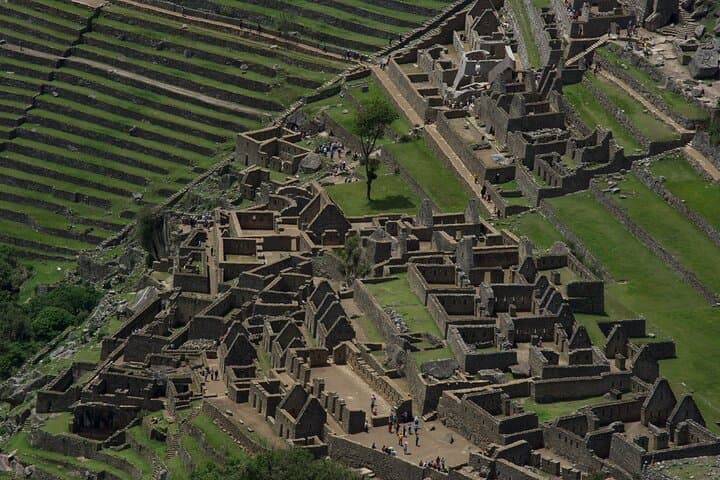
Morning light cuts across the Urubamba Valley as your train eases toward Machu Picchu — terraces rolling into cloud, the river daring you to look away. On day one the citadel unfolds: stone staircases, agricultural terraces, and ceremonial plazas arranged with an engineer's precision and a priest's orientation to the mountains.
Verified experiences and guided adventures in the surrounding area.
Operated by VIPAC Travel · Cusco, Cusco Region
Morning light cuts across the Urubamba Valley as your train eases toward Machu Picchu — terraces rolling into cloud, the river daring you to look away. On day one the citadel unfolds: stone staircases, agricultural terraces, and ceremonial plazas arranged with an engineer's precision and a priest's orientation to the mountains.
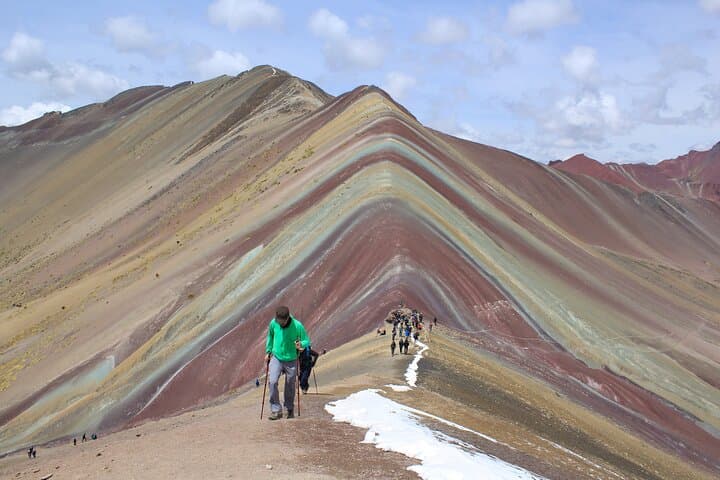
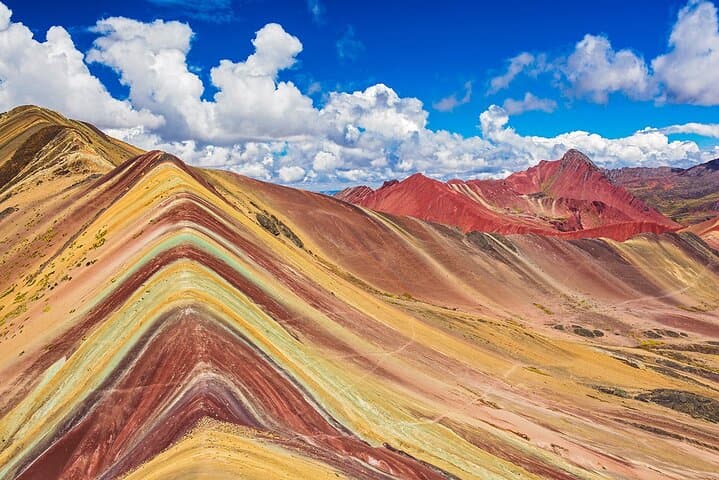
The next day moves higher. From Cusipata you climb by van to 4,800 m and set off on a 4 km ascent toward Vinicunca. The mountain reveals itself gradually: bands of rust, ochre, and teal born from mineral layers oxidized over millennia. The Ausangate massif broods in the distance, glaciers and puna grasslands framing the path.
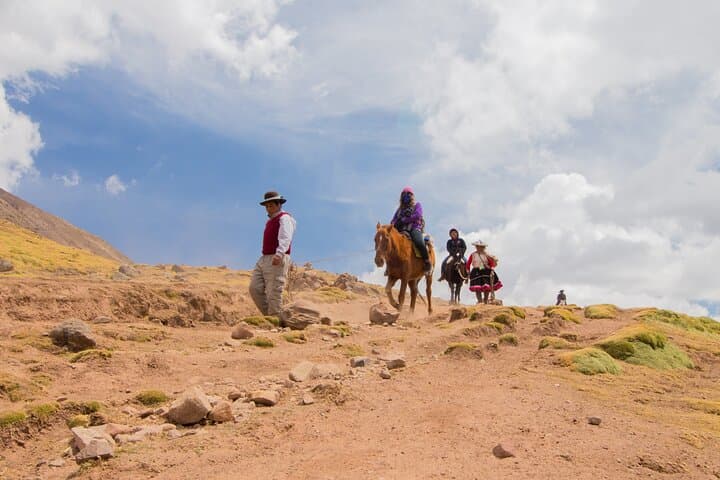
Machu Picchu dates to the mid-15th century and reflects Inca mastery of stone and landscape; Vinicunca’s colors are a more recent exposure — erosion and climate shifts have peeled back strata to show vivid sedimentation. Local Quechua communities still herd llamas and maintain highland traditions; guides typically weave cultural notes into the walk.
Practicalities: trains depart Ollantaytambo to Aguas Calientes, then a steep bus climb to the citadel; expect several hours of walking across uneven stonework at 2,400–2,700 m. Vinicunca reaches near 5,000 m, so pace your ascent, sip water, and watch for altitude symptoms. Wear warm layers, sturdy boots, and a sun hat; plan early starts to avoid afternoon clouds and crowds. The route is accessible for most fit travelers but respects high-altitude realities — move slowly, hydrate, and let the mountains work on you.
moderate.
2 days.
Moderate fitness recommended; able to walk 4–6 hours over uneven terrain and manage short steep sections at high altitude.
This tour lists entrance fees and the Ollantaytambo–Aguas Calientes round‑trip train as included; confirm your booking voucher for specific train times.
Yes — a day or two in Cusco is strongly recommended to reduce altitude sickness risk before the Vinicunca ascent.
The hike is about 4 km one way with altitude reaching ~5,000 m; it’s a steady ascent that most moderately fit people can complete with breaks.
Children can join but guardians should assess altitude tolerance and mobility; check age and passport requirements with the operator.
Machu Picchu was constructed in the 15th century under Inca rule and later abandoned during colonial times; Vinicunca’s colors reflect sedimentary mineral layers exposed by erosion.
Both sites face visitor pressure and fragile ecosystems; stick to marked paths, avoid single‑use plastics, and travel with licensed guides to support local conservation efforts.
VIPAC Travel operates guided outdoor trips and adventures with an emphasis on safety, stewardship, and memorable experiences.
Morning light cuts across the Urubamba Valley as your train eases toward Machu Picchu — terraces rolling into cloud, the river daring you to look away. On day one the citadel unfolds: stone staircases, agricultural terraces, and ceremonial plazas arranged with an engineer's precision and a priest's orientation to the mountains.
Morning light cuts across the Urubamba Valley as your train eases toward Machu Picchu — terraces rolling into cloud, the river daring you to look away. On day one the citadel unfolds: stone staircases, agricultural terraces, and ceremonial plazas arranged with an engineer's precision and a priest's orientation to the mountains.
The next day moves higher. From Cusipata you climb by van to 4,800 m and set off on a 4 km ascent toward Vinicunca. The mountain reveals itself gradually: bands of rust, ochre, and teal born from mineral layers oxidized over millennia. The Ausangate massif broods in the distance, glaciers and puna grasslands framing the path.
Machu Picchu dates to the mid-15th century and reflects Inca mastery of stone and landscape; Vinicunca’s colors are a more recent exposure — erosion and climate shifts have peeled back strata to show vivid sedimentation. Local Quechua communities still herd llamas and maintain highland traditions; guides typically weave cultural notes into the walk.
Practicalities: trains depart Ollantaytambo to Aguas Calientes, then a steep bus climb to the citadel; expect several hours of walking across uneven stonework at 2,400–2,700 m. Vinicunca reaches near 5,000 m, so pace your ascent, sip water, and watch for altitude symptoms. Wear warm layers, sturdy boots, and a sun hat; plan early starts to avoid afternoon clouds and crowds. The route is accessible for most fit travelers but respects high-altitude realities — move slowly, hydrate, and let the mountains work on you.