THE ADVENTURE COLLECTIVE® · Independent discovery and booking for outdoor travel

A two-day itinerary that pairs a scenic Sacred Valley train ride with an overnight in Aguas Calientes and an early guided entry to Machu Picchu. Expect dramatic geology, Inca engineering, and practical logistics around altitude, permits, and timed transport.
A two-day itinerary that pairs a scenic Sacred Valley train ride with an overnight in Aguas Calientes and an early guided entry to Machu Picchu. Expect dramatic geology, Inca engineering, and practical logistics around altitude, permits, and timed transport.
Dawn light lifts off the valley as the train slips along the river, terraces and cloud forest sliding past like page turns. By the time travelers step into Aguas Calientes the air feels different — warmer, damp, alive with orchids — and there’s a quiet electric tug toward the switchback road that climbs to Machu Picchu.
Verified experiences and guided adventures in the surrounding area.
Operated by Encuentros Peru Adventure · Aguas Calientes, Cusco
Dawn light lifts off the valley as the train slips along the river, terraces and cloud forest sliding past like page turns. By the time travelers step into Aguas Calientes the air feels different — warmer, damp, alive with orchids — and there’s a quiet electric tug toward the switchback road that climbs to Machu Picchu.
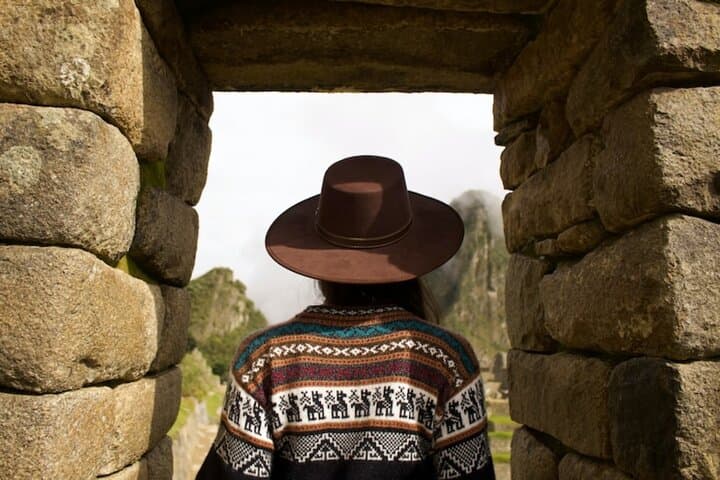
Machu Picchu sits on a sharp granite spine above the Urubamba River, an Inca citadel rediscovered by Hiram Bingham in 1911. The site’s terraces, water channels, and finely cut stone reflect high-Andean engineering and a cosmology that oriented settlements toward solar cycles and mountain spirits. Geologically, the citadel perches where uplifted Andes meet cloud forest; weather and erosion shaped the steep gullies that define the approach.
The two-day format pairs a scenic train down the Sacred Valley with an early-morning guided tour of the citadel, then free time to move through plazas, agricultural tiers, and the Intihuatana stone. The surrounding forest hums with hummingbirds and condors circle high; llamas and alpacas amble among the ruins with impunity.
Practical notes: acclimatize in Cusco for 24–48 hours if possible; expect steep stone paths and many steps inside the site. Book Huayna Picchu or Machu Picchu Mountain in advance if you plan those climbs. Carry layered clothing for rapid weather shifts, a refillable water bottle, and cash for small purchases in Aguas Calientes. Trains and site admissions are strictly timed — arrive at stations early, keep documents and passport ready, and respect route signage to limit erosion. With modest preparation, this two-day itinerary turns an iconic visit into a compact, manageable mountain experience.
easy.
2 days.
Suitable for travelers with basic fitness—requires standing, walking on uneven stone steps, and short uphill sections at altitude.
Yes—Huayna Picchu has limited daily permits and sells out early; book both Machu Picchu entrance and mountain permits well before travel.
Staying overnight allows an early bus to enter at opening and reduces travel stress; same-day round trips are possible but start very early and are more rushed.
Symptoms vary; spending time in Cusco beforehand, hydrating, and resting reduces risk—but travelers with cardiorespiratory issues should consult a physician.
This itinerary includes train tickets (Ollantaytambo–Aguas Calientes round trip) and Aguas Calientes–Machu Picchu bus tickets as specified in the inclusions.
Machu Picchu was built in the 15th century and remained largely out of Spanish colonial records; it was brought to international attention by Hiram Bingham in 1911.
Visitor numbers and timed entries help limit erosion; stick to marked trails, avoid single-use plastics, and support local guides to ensure tourism benefits the community.
Encuentros Peru Adventure operates guided outdoor trips and adventures with an emphasis on safety, stewardship, and memorable experiences.



Dawn light lifts off the valley as the train slips along the river, terraces and cloud forest sliding past like page turns. By the time travelers step into Aguas Calientes the air feels different — warmer, damp, alive with orchids — and there’s a quiet electric tug toward the switchback road that climbs to Machu Picchu.
Dawn light lifts off the valley as the train slips along the river, terraces and cloud forest sliding past like page turns. By the time travelers step into Aguas Calientes the air feels different — warmer, damp, alive with orchids — and there’s a quiet electric tug toward the switchback road that climbs to Machu Picchu.
Machu Picchu sits on a sharp granite spine above the Urubamba River, an Inca citadel rediscovered by Hiram Bingham in 1911. The site’s terraces, water channels, and finely cut stone reflect high-Andean engineering and a cosmology that oriented settlements toward solar cycles and mountain spirits. Geologically, the citadel perches where uplifted Andes meet cloud forest; weather and erosion shaped the steep gullies that define the approach.
The two-day format pairs a scenic train down the Sacred Valley with an early-morning guided tour of the citadel, then free time to move through plazas, agricultural tiers, and the Intihuatana stone. The surrounding forest hums with hummingbirds and condors circle high; llamas and alpacas amble among the ruins with impunity.
Practical notes: acclimatize in Cusco for 24–48 hours if possible; expect steep stone paths and many steps inside the site. Book Huayna Picchu or Machu Picchu Mountain in advance if you plan those climbs. Carry layered clothing for rapid weather shifts, a refillable water bottle, and cash for small purchases in Aguas Calientes. Trains and site admissions are strictly timed — arrive at stations early, keep documents and passport ready, and respect route signage to limit erosion. With modest preparation, this two-day itinerary turns an iconic visit into a compact, manageable mountain experience.