THE ADVENTURE COLLECTIVE® · Independent discovery and booking for outdoor travel

A two-day, train-supported visit from Cusco to Machu Picchu that combines a scenic ride through the Sacred Valley with a guided exploration of the Inca citadel and an overnight in Aguas Calientes. Ideal for travelers seeking a compact, well-supported introduction to one of South America’s premier archaeological sites.
A two-day, train-supported visit from Cusco to Machu Picchu that combines a scenic ride through the Sacred Valley with a guided exploration of the Inca citadel and an overnight in Aguas Calientes. Ideal for travelers seeking a compact, well-supported introduction to one of South America’s premier archaeological sites.
You step off the train into the mist-veiled slot of the Urubamba Valley, the river below still pushing the day forward as the steep hills hold ancient terraces like stacked memory. Aguas Calientes hums with the nervous energy of travelers; the narrow streets, markets and hot springs are a last human pause before the stones of Machu Picchu demand attention.
Verified experiences and guided adventures in the surrounding area.
Operated by Xplor Machu Picchu · Aguas Calientes, Cusco
You step off the train into the mist-veiled slot of the Urubamba Valley, the river below still pushing the day forward as the steep hills hold ancient terraces like stacked memory. Aguas Calientes hums with the nervous energy of travelers; the narrow streets, markets and hot springs are a last human pause before the stones of Machu Picchu demand attention.
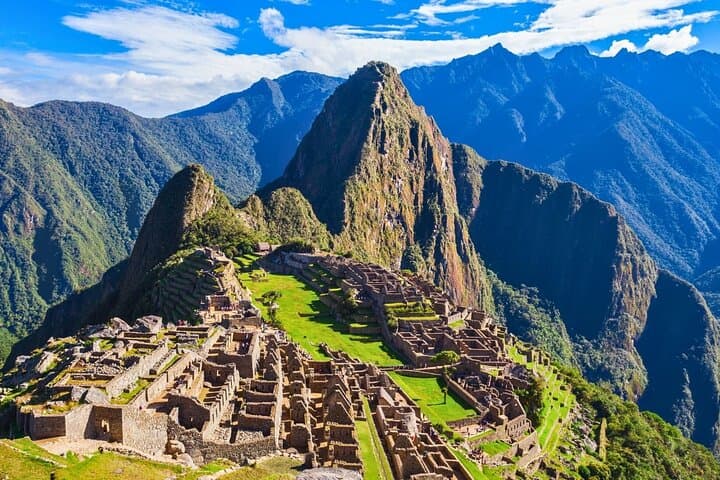
Built in the 15th century under Inca rule and later abandoned during the Spanish era, Machu Picchu sits where granite ridgelines and cloud forest collide. The citadel’s terraces cut into volcanic and metamorphic bedrock, and the site’s layout reflects Inca engineering that read the mountain’s slopes, solar cycles and water. Local Quechua culture remains visible in markets and small farms along the train route, and the Sacred Valley’s geography—steep river canyons opening to high puna—shapes both daily life and travel logistics.
On day one, a road transfer to Ollantaytambo frames the Sacred Valley’s patchwork of fields and stone hamlets. A scenic tourist train folds up the Urubamba and delivers you to Aguas Calientes for a restful overnight and optional soak. Day two begins early: a short bus climb, guided exploration of temples and terraces, then free time to climb to the Sun Gate or linger by Intihuatana.
Practical edge: budget for altitude adjustment in Cusco, pack a waterproof layer and sturdy shoes, and plan for early starts to avoid crowds. Book permits and train seats in advance—the site caps daily visitors. Respect trails, take only photos, and let the mountain keep its quiet.
moderate.
2 days.
Moderate fitness recommended—able to walk on uneven stone paths and manage short uphill sections at altitude
Yes—entry to Machu Picchu is limited and time-stamped; buy tickets and train seats well ahead, especially in high season (May–September).
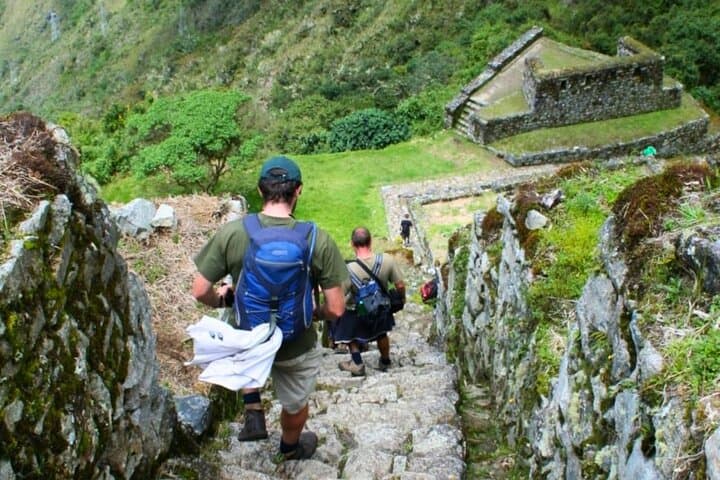
Expect several hours of walking on uneven stone terraces and stairways; the guided portion is typically around two hours with additional free-explore time on flatter sections and optional uphill hikes (Sun Gate, Huayna Picchu require separate permits).
Cusco sits near 3,400 m (11,200 ft) so mild altitude effects are common; allow time to acclimate in Cusco, stay hydrated and avoid heavy exertion on arrival day.
Meals are generally not included on this itinerary—overnight accommodation is provided but plan for breakfasts and lunches in Aguas Calientes and on the return day.
Machu Picchu was constructed in the 15th century under Inca leadership and later abandoned; its rediscovery in the early 20th century brought intensive archaeological study and growing tourism.
Visitor numbers are managed with time slots and entry limits; stay on marked paths, avoid single-use plastics, and support local guides and community businesses to minimize impact.
Xplor Machu Picchu operates guided outdoor trips and adventures with an emphasis on safety, stewardship, and memorable experiences.

You step off the train into the mist-veiled slot of the Urubamba Valley, the river below still pushing the day forward as the steep hills hold ancient terraces like stacked memory. Aguas Calientes hums with the nervous energy of travelers; the narrow streets, markets and hot springs are a last human pause before the stones of Machu Picchu demand attention.
You step off the train into the mist-veiled slot of the Urubamba Valley, the river below still pushing the day forward as the steep hills hold ancient terraces like stacked memory. Aguas Calientes hums with the nervous energy of travelers; the narrow streets, markets and hot springs are a last human pause before the stones of Machu Picchu demand attention.
Built in the 15th century under Inca rule and later abandoned during the Spanish era, Machu Picchu sits where granite ridgelines and cloud forest collide. The citadel’s terraces cut into volcanic and metamorphic bedrock, and the site’s layout reflects Inca engineering that read the mountain’s slopes, solar cycles and water. Local Quechua culture remains visible in markets and small farms along the train route, and the Sacred Valley’s geography—steep river canyons opening to high puna—shapes both daily life and travel logistics.
On day one, a road transfer to Ollantaytambo frames the Sacred Valley’s patchwork of fields and stone hamlets. A scenic tourist train folds up the Urubamba and delivers you to Aguas Calientes for a restful overnight and optional soak. Day two begins early: a short bus climb, guided exploration of temples and terraces, then free time to climb to the Sun Gate or linger by Intihuatana.
Practical edge: budget for altitude adjustment in Cusco, pack a waterproof layer and sturdy shoes, and plan for early starts to avoid crowds. Book permits and train seats in advance—the site caps daily visitors. Respect trails, take only photos, and let the mountain keep its quiet.