THE ADVENTURE COLLECTIVE® · Independent discovery and booking for outdoor travel

A two-day Sacred Valley tour that pairs Moray's circular terraces and the Maras salt pans with an evening in Aguas Calientes and a guided morning at Machu Picchu. Practical, scenic, and rich in Inca engineering.
A two-day Sacred Valley tour that pairs Moray's circular terraces and the Maras salt pans with an evening in Aguas Calientes and a guided morning at Machu Picchu. Practical, scenic, and rich in Inca engineering.
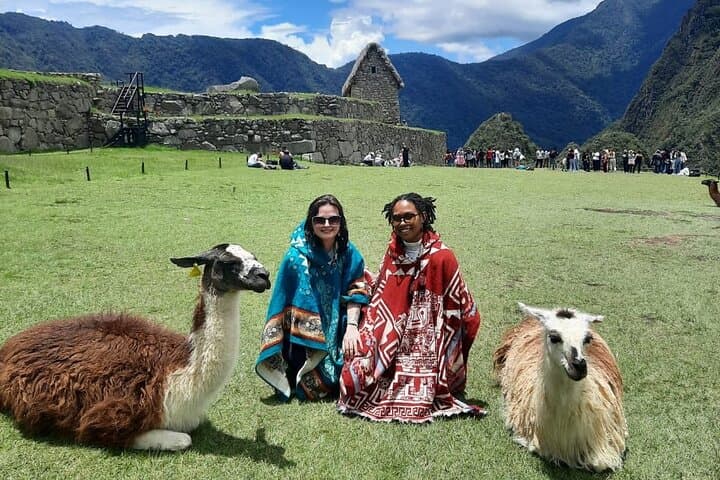
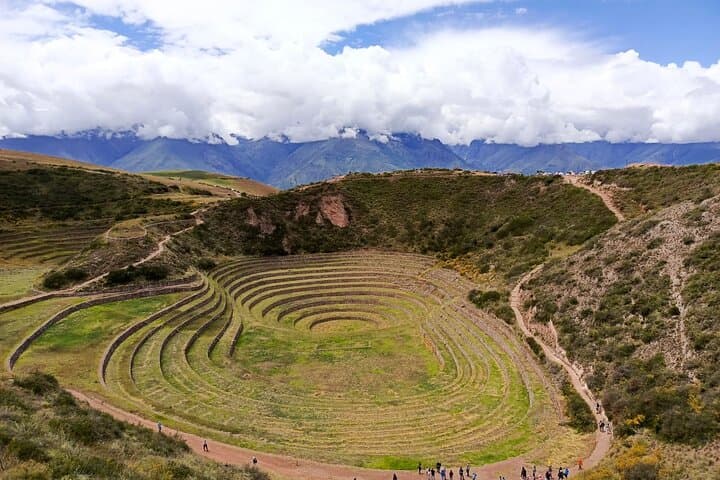
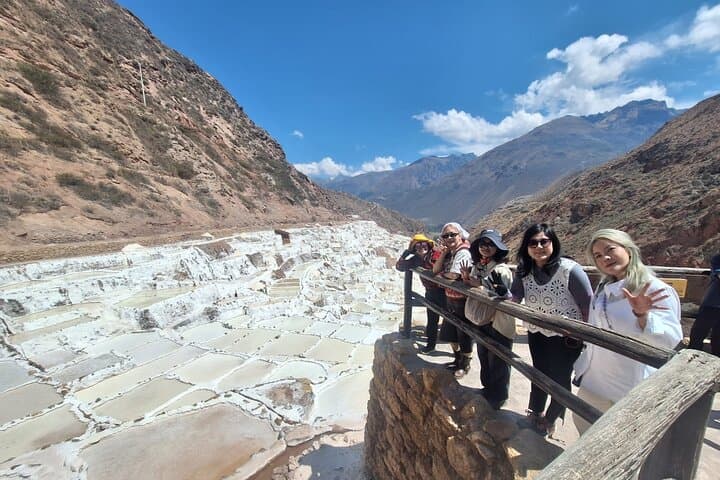
Morning light splits the Andes as the van peels out of Cusco and the Sacred Valley opens like a steep, cultivated amphitheater. You move through highland villages—Chinchero's Inca walls, Moray's concentric agricultural rings, the patchwork ponds of Maras—before the train threads the gorge to Aguas Calientes. The next day the bus climbs a hairpin road and Machu Picchu appears, stone by stone, terraces hanging off the mountain.
Verified experiences and guided adventures in the surrounding area.
Operated by Machupicchu Latin America · Aguas Calientes, Cusco
Morning light splits the Andes as the van peels out of Cusco and the Sacred Valley opens like a steep, cultivated amphitheater. You move through highland villages—Chinchero's Inca walls, Moray's concentric agricultural rings, the patchwork ponds of Maras—before the train threads the gorge to Aguas Calientes. The next day the bus climbs a hairpin road and Machu Picchu appears, stone by stone, terraces hanging off the mountain.
This two-day itinerary follows historic Inca lifeways and the Vilcanota River corridor. Moray was an experimental agricultural laboratory where microclimates were engineered into concentric terraces; Maras salt pans are an active pre-Columbian industry still harvested family-by-family. Ollantaytambo’s ramparts show Inca masonry adapted to steep river terraces, and the train ride exposes the region’s dramatic geology—steep schist and volcanic intrusions folded into narrow river canyons.
Expect guided walks on uneven stone and packed-earth surfaces, short climbs, and stair sections at altitude (Cusco 3,400 m; Machu Picchu ~2,430 m). Practical notes: carry your passport (required for ticketing), book morning Machu Picchu entry to avoid crowds, and allow time for train schedules. Hydrate well and pace yourself on staircases—altitude affects respiration and balance.
Comfortable hiking shoes, sun protection, and layers will keep you flexible through sudden mountain weather. Beyond the archeology, listen for bell birds and the Vilcanota’s push as the river dares you to keep moving—this trip combines cultural depth with tangible, highland adventure.
moderate.
2 days (approx. 48 hours).
Suitable for travelers with basic fitness who can handle multiple short walks and stair sections at high altitude; not strenuous hiking.
Yes—admission (Circuit 2 if available) and the round-trip bus from Aguas Calientes to the citadel are included in the tour package.
Yes—your passport is required on the day of travel for ticketing and entrance checks; keep it secure but accessible.
The guided visit involves walking on uneven stone paths and stairs for about three hours with short inclines; moderate fitness and steadiness on stairs are recommended.
Breakfasts and one night accommodation in Aguas Calientes are included; lunch and dinner are generally not included, except where noted.
The Sacred Valley was central to Inca agricultural innovation and road networks; sites like Moray and Ollantaytambo reflect practical experiments in microclimate farming and defensive urban design.
Visitor numbers are controlled at Machu Picchu to limit erosion and cultural wear; stick to marked paths, avoid touching masonry, and follow local guide instructions to minimize impact.
Machupicchu Latin America operates guided outdoor trips and adventures with an emphasis on safety, stewardship, and memorable experiences.
Morning light splits the Andes as the van peels out of Cusco and the Sacred Valley opens like a steep, cultivated amphitheater. You move through highland villages—Chinchero's Inca walls, Moray's concentric agricultural rings, the patchwork ponds of Maras—before the train threads the gorge to Aguas Calientes. The next day the bus climbs a hairpin road and Machu Picchu appears, stone by stone, terraces hanging off the mountain.
Morning light splits the Andes as the van peels out of Cusco and the Sacred Valley opens like a steep, cultivated amphitheater. You move through highland villages—Chinchero's Inca walls, Moray's concentric agricultural rings, the patchwork ponds of Maras—before the train threads the gorge to Aguas Calientes. The next day the bus climbs a hairpin road and Machu Picchu appears, stone by stone, terraces hanging off the mountain.
This two-day itinerary follows historic Inca lifeways and the Vilcanota River corridor. Moray was an experimental agricultural laboratory where microclimates were engineered into concentric terraces; Maras salt pans are an active pre-Columbian industry still harvested family-by-family. Ollantaytambo’s ramparts show Inca masonry adapted to steep river terraces, and the train ride exposes the region’s dramatic geology—steep schist and volcanic intrusions folded into narrow river canyons.
Expect guided walks on uneven stone and packed-earth surfaces, short climbs, and stair sections at altitude (Cusco 3,400 m; Machu Picchu ~2,430 m). Practical notes: carry your passport (required for ticketing), book morning Machu Picchu entry to avoid crowds, and allow time for train schedules. Hydrate well and pace yourself on staircases—altitude affects respiration and balance.
Comfortable hiking shoes, sun protection, and layers will keep you flexible through sudden mountain weather. Beyond the archeology, listen for bell birds and the Vilcanota’s push as the river dares you to keep moving—this trip combines cultural depth with tangible, highland adventure.