THE ADVENTURE COLLECTIVE® · Independent discovery and booking for outdoor travel

See the Sacred Valley’s terraces, ride a panoramic train and spend a guided morning inside Machu Picchu on this compact 2-day itinerary. Ideal for travelers wanting Inca architecture, train scenery and efficient logistics.
See the Sacred Valley’s terraces, ride a panoramic train and spend a guided morning inside Machu Picchu on this compact 2-day itinerary. Ideal for travelers wanting Inca architecture, train scenery and efficient logistics.
Morning light slices the canyon as the panoramic Vistadome train rattles out of Ollantaytambo, glass roof framing terraces and river below. On Day One the group moves from high-altitude Cusco into the Sacred Valley’s bowl of fields and stone, stepping onto Pisac’s agricultural terraces and through Ollantaytambo’s fortress where stone walls lean like patient guardians. Night falls in Aguas Calientes, a mountain town that hums with pre-dawn plans for the citadel.
Verified experiences and guided adventures in the surrounding area.
Operated by Illa Kuntur Travel Agency · Cusco, Cusco Region
Morning light slices the canyon as the panoramic Vistadome train rattles out of Ollantaytambo, glass roof framing terraces and river below. On Day One the group moves from high-altitude Cusco into the Sacred Valley’s bowl of fields and stone, stepping onto Pisac’s agricultural terraces and through Ollantaytambo’s fortress where stone walls lean like patient guardians. Night falls in Aguas Calientes, a mountain town that hums with pre-dawn plans for the citadel.
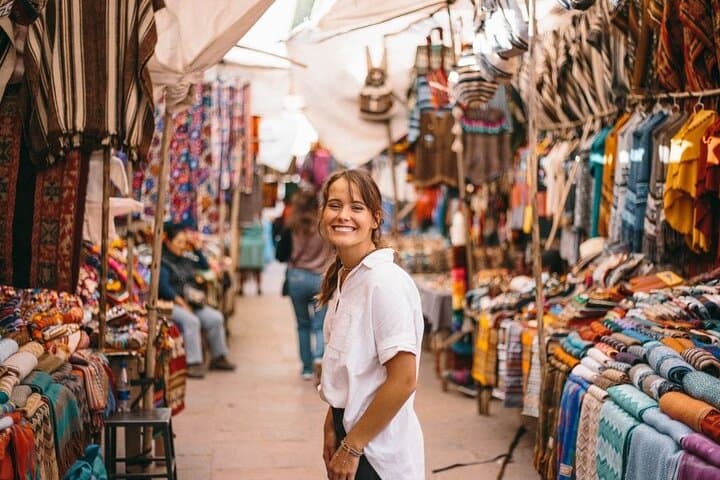
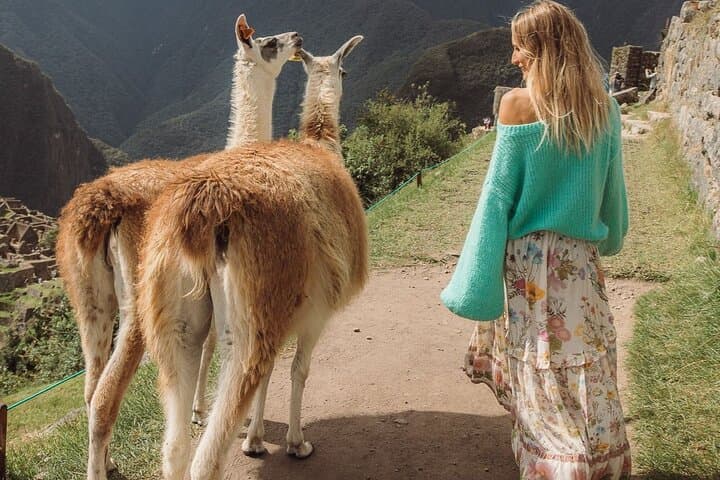
These valleys are Inca country: engineered terraces, finely cut ashlar at Ollantaytambo, and the mid-15th-century citadel of Machu Picchu — likely an elite estate or ritual center tied to Pachacuti. The regional geology is steep: folded Andes with volcanic soils and river-cut gorges that channel cloud forest ecosystems up to the ruins. Local culture remains visible in textile centers like Awana Kancha and the craft markets of Pisac, where alpaca fiber and dyes reflect centuries of practice.
Practically, expect two full days of guided walking, short bus climbs to Machu Picchu’s entrance, and moderate exertion at altitude (Cusco ~3,400 m; Machu Picchu ~2,430 m). Wear sturdy shoes for stone steps and switchbacks, pack rain protection year-round, and sip water steadily to manage acclimatization. Trains run fixed schedules; bring photo ID for ticket checks and allow time for queueing at the bus. Guides handle permits and logistics, but travelers should move at a steady pace, respect restricted zones, and leave no trace on fragile archeological surfaces.
moderate.
2 days.
Good basic fitness: able to walk 2–4 hours with elevation change and stand for guided talks; be prepared for high-altitude breathing.
Tickets are included in this tour (Circuit 1–3 depending on availability); bring ID that matches the ticket name.
Expect about 1.5–3 hours of walking on uneven stone paths and stairs during the guided visit; optional extra hikes like Huayna Picchu are not included.
Yes—Cusco is high. Symptoms vary; rest beforehand, hydrate, avoid alcohol before the trip, and consult a doctor about medication if you're prone to altitude sickness.
The Vistadome panoramic train has overhead luggage space and a small carry-on allowance; larger bags may need to be checked—confirm limits with the operator before departure.
The Sacred Valley and Machu Picchu are core Inca sites tied to 15th-century statecraft and agriculture; Ollantaytambo functioned as both a living town and strategic fortress under Inca rule.
Visitor limits and designated trails protect fragile ruins and cloud-forest habitat; stick to paths, avoid touching masonry and support local businesses that follow sustainable practices.
Illa Kuntur Travel Agency operates guided outdoor trips and adventures with an emphasis on safety, stewardship, and memorable experiences.
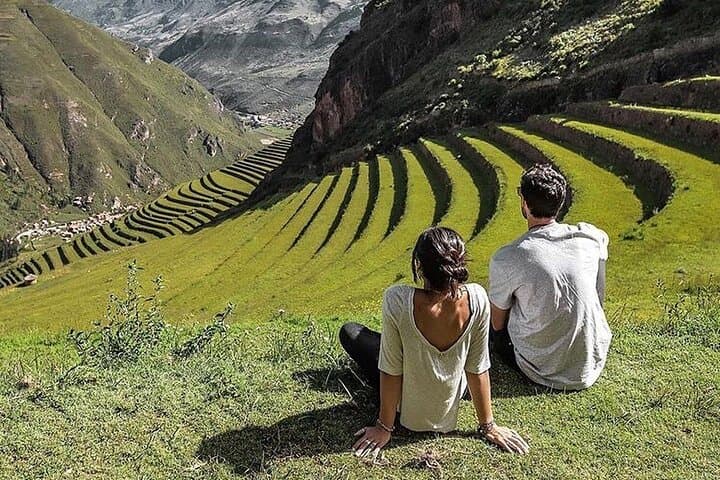
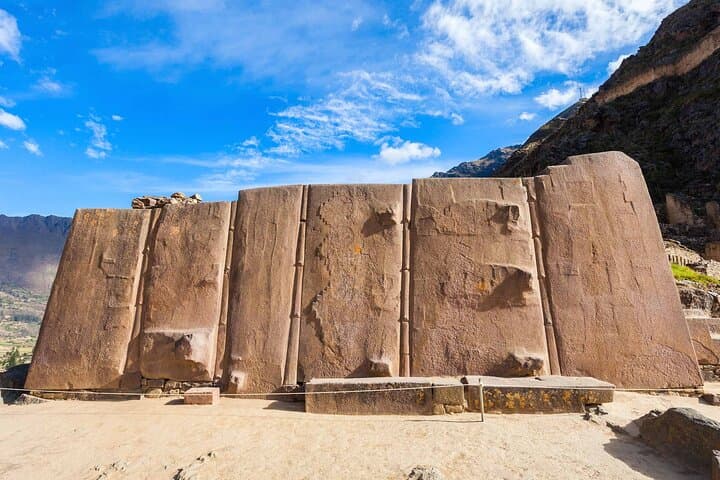
Morning light slices the canyon as the panoramic Vistadome train rattles out of Ollantaytambo, glass roof framing terraces and river below. On Day One the group moves from high-altitude Cusco into the Sacred Valley’s bowl of fields and stone, stepping onto Pisac’s agricultural terraces and through Ollantaytambo’s fortress where stone walls lean like patient guardians. Night falls in Aguas Calientes, a mountain town that hums with pre-dawn plans for the citadel.
Morning light slices the canyon as the panoramic Vistadome train rattles out of Ollantaytambo, glass roof framing terraces and river below. On Day One the group moves from high-altitude Cusco into the Sacred Valley’s bowl of fields and stone, stepping onto Pisac’s agricultural terraces and through Ollantaytambo’s fortress where stone walls lean like patient guardians. Night falls in Aguas Calientes, a mountain town that hums with pre-dawn plans for the citadel.
These valleys are Inca country: engineered terraces, finely cut ashlar at Ollantaytambo, and the mid-15th-century citadel of Machu Picchu — likely an elite estate or ritual center tied to Pachacuti. The regional geology is steep: folded Andes with volcanic soils and river-cut gorges that channel cloud forest ecosystems up to the ruins. Local culture remains visible in textile centers like Awana Kancha and the craft markets of Pisac, where alpaca fiber and dyes reflect centuries of practice.
Practically, expect two full days of guided walking, short bus climbs to Machu Picchu’s entrance, and moderate exertion at altitude (Cusco ~3,400 m; Machu Picchu ~2,430 m). Wear sturdy shoes for stone steps and switchbacks, pack rain protection year-round, and sip water steadily to manage acclimatization. Trains run fixed schedules; bring photo ID for ticket checks and allow time for queueing at the bus. Guides handle permits and logistics, but travelers should move at a steady pace, respect restricted zones, and leave no trace on fragile archeological surfaces.