THE ADVENTURE COLLECTIVE® · Independent discovery and booking for outdoor travel

Train through a narrow gorge, visit Moray’s circular terraces and the salt pans of Maras, then explore Machu Picchu at first light. This 2-day Sacred Valley itinerary balances cultural highlights with practical tips for altitude, timing, and gear.
Train through a narrow gorge, visit Moray’s circular terraces and the salt pans of Maras, then explore Machu Picchu at first light. This 2-day Sacred Valley itinerary balances cultural highlights with practical tips for altitude, timing, and gear.
Fog lifts from the valley as the early train threads the Urubamba River gorge toward Aguas Calientes. You step off in a town that hums with guides, coffee steam, and the nervous excitement of a dawn ascent; the mountains seem to hold their breath until you arrive at the Inca citadel.
Verified experiences and guided adventures in the surrounding area.
Operated by Inca Trilogy Tours · Aguas Calientes, Cusco
Fog lifts from the valley as the early train threads the Urubamba River gorge toward Aguas Calientes. You step off in a town that hums with guides, coffee steam, and the nervous excitement of a dawn ascent; the mountains seem to hold their breath until you arrive at the Inca citadel.
This compact two-day loop pairs the Sacred Valley’s agricultural experiments and salt pans with a full guided walk through Machu Picchu. Moray’s concentric terraces reveal Inca experimentation with microclimates; the Salineras de Maras scatter like stepped mosaics on a sunlit slope. Chinchero’s market keeps textile traditions alive—loomed dyes and patterns that are both cultural archive and living craft.
Geologically, the route follows young Andean folds and river-carved gorges; terraces cling to steep slopes where ancient engineers flattened and moved earth to control temperature and water. Culturally, expect Quechua influences in language, food, and textiles—locals balance tourism with subsistence farming.
Practically: travel is rail plus bus, and mornings are crucial—trains and site tickets are timed. Altitude (Cusco ~3,400 m) dominates the prep: hydrate, rest, and avoid sudden exertion if you’ve just arrived. Wear grippy footwear for uneven stone and steep paths, and carry layers—the sun can be fierce and fog can chill within an hour.
This itinerary delivers maximum exposure to the Andes in minimal time: archaeological highlights, living culture, and dramatic landscapes. Move deliberately, respect restricted paths, and leave room in your schedule to watch the citadel change light—those moments are why you come.
moderate.
2 days.
Moderate fitness; able to walk several hours over uneven terrain and ascend/descend stone steps at altitude.
No technical fitness required, but you should be comfortable walking 2–4 hours on uneven terrain and able to cope with high altitude.
This itinerary lists entrances as included—confirm at booking and carry your ID that matches the ticket name.
Early morning visits after the first buses offer softer light and fewer people; afternoon light is also dramatic but busier.
Those hikes require separate tickets and reservations; check availability in advance if you want to add them.
Machu Picchu was built in the 15th century by the Incas and later abandoned; the Sacred Valley contains terrace systems used for crop experimentation and social organization.
Visitor limits and timed entries help protect fragile ruins—stick to marked paths, avoid single-use plastics, and support local guides and artisans.
Inca Trilogy Tours operates guided outdoor trips and adventures with an emphasis on safety, stewardship, and memorable experiences.
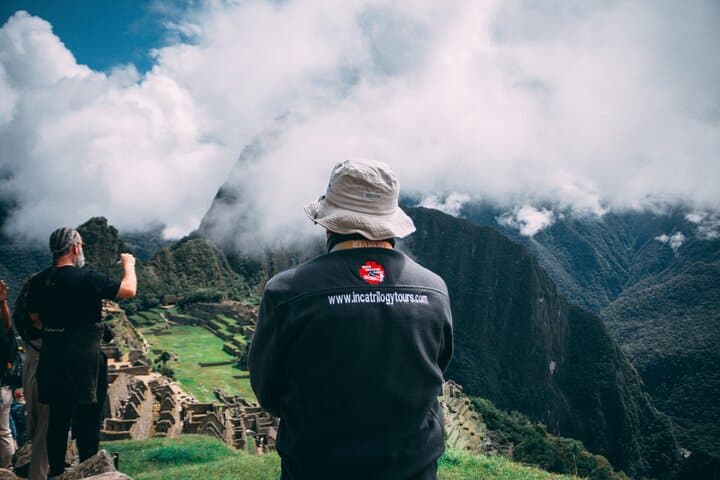

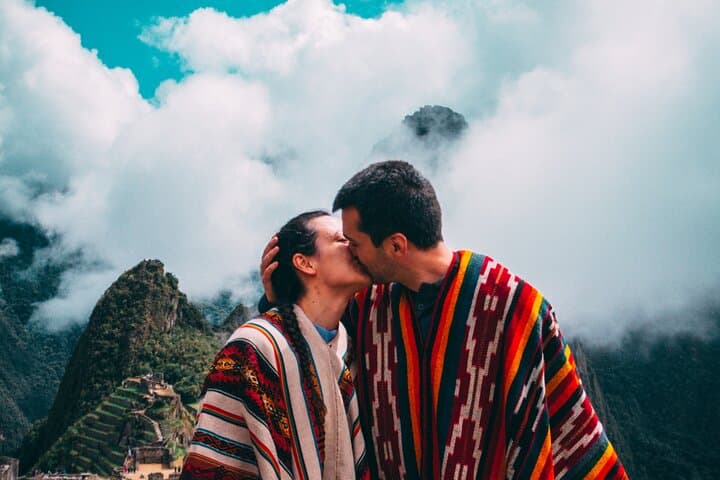

Fog lifts from the valley as the early train threads the Urubamba River gorge toward Aguas Calientes. You step off in a town that hums with guides, coffee steam, and the nervous excitement of a dawn ascent; the mountains seem to hold their breath until you arrive at the Inca citadel.
Fog lifts from the valley as the early train threads the Urubamba River gorge toward Aguas Calientes. You step off in a town that hums with guides, coffee steam, and the nervous excitement of a dawn ascent; the mountains seem to hold their breath until you arrive at the Inca citadel.
This compact two-day loop pairs the Sacred Valley’s agricultural experiments and salt pans with a full guided walk through Machu Picchu. Moray’s concentric terraces reveal Inca experimentation with microclimates; the Salineras de Maras scatter like stepped mosaics on a sunlit slope. Chinchero’s market keeps textile traditions alive—loomed dyes and patterns that are both cultural archive and living craft.
Geologically, the route follows young Andean folds and river-carved gorges; terraces cling to steep slopes where ancient engineers flattened and moved earth to control temperature and water. Culturally, expect Quechua influences in language, food, and textiles—locals balance tourism with subsistence farming.
Practically: travel is rail plus bus, and mornings are crucial—trains and site tickets are timed. Altitude (Cusco ~3,400 m) dominates the prep: hydrate, rest, and avoid sudden exertion if you’ve just arrived. Wear grippy footwear for uneven stone and steep paths, and carry layers—the sun can be fierce and fog can chill within an hour.
This itinerary delivers maximum exposure to the Andes in minimal time: archaeological highlights, living culture, and dramatic landscapes. Move deliberately, respect restricted paths, and leave room in your schedule to watch the citadel change light—those moments are why you come.