THE ADVENTURE COLLECTIVE® · Independent discovery and booking for outdoor travel

Pair the wonder of Machu Picchu with the high‑altitude colors of Rainbow Mountain on a two‑day guided loop from Cusco. Expect early starts, steep hikes to 5,035 m, train travel through the Sacred Valley, and immersive cultural interpretation.
Pair the wonder of Machu Picchu with the high‑altitude colors of Rainbow Mountain on a two‑day guided loop from Cusco. Expect early starts, steep hikes to 5,035 m, train travel through the Sacred Valley, and immersive cultural interpretation.
A 2 a.m. van hums through Cusco’s sleeping streets and the air bites at exposed skin — you’re moving toward two of Peru’s most arresting landscapes in one compact itinerary. First: the train descent into the Urubamba valley, where cloud-shrouded river gorges open and the ruins of Machu Picchu appear like a long-guarded secret revealed by light. A guided 2-hour circuit walks you through terraces, temples and viewpoints, then leaves you time to linger while llamas graze the terraces below.
Verified experiences and guided adventures in the surrounding area.
Operated by FlashpackerConnect LLC · Cusco, Cusco
A 2 a.m. van hums through Cusco’s sleeping streets and the air bites at exposed skin — you’re moving toward two of Peru’s most arresting landscapes in one compact itinerary. First: the train descent into the Urubamba valley, where cloud-shrouded river gorges open and the ruins of Machu Picchu appear like a long-guarded secret revealed by light. A guided 2-hour circuit walks you through terraces, temples and viewpoints, then leaves you time to linger while llamas graze the terraces below.
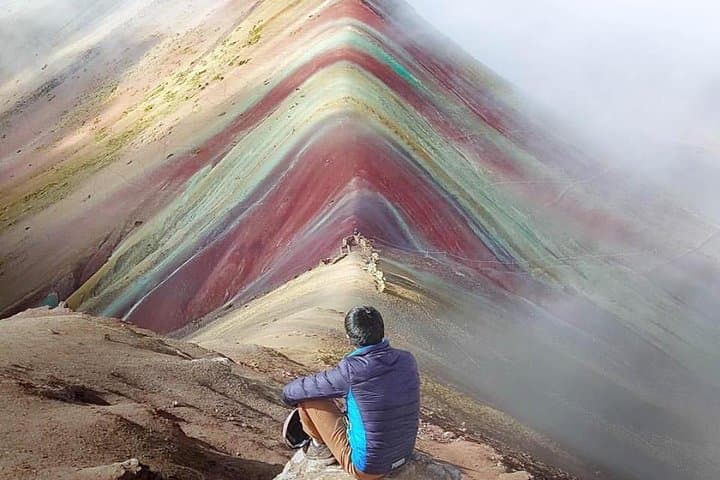
Day two steps into higher, thinner air. The Rainbow Mountain trail climbs across puna grass and wind-scoured ridgelines to 5,035 m (about 16,520 ft), a short but steep route of roughly 8 km round trip and 3.5–4 hours of hiking. The stripes of iron and clay on Vinicunca are a surface expression of glacial and volcanic deposits altered by mineral oxidation and erosion — geology that reads like a page of earth history.
Culturally, both sites sit within Quechua-speaking communities whose agricultural terraces and stonework predate Spanish contact; guides often explain Inca waterworks and modern pastoral life. Expect basic comforts, shared-group pacing if you choose the small-group option, and strict ticketing rules for Machu Picchu.
Practical edge: acclimatize in Cusco for 24–48 hours if possible, carry layers and a good pair of broken-in hiking boots, and hydrate steadily to blunt altitude effects. Plan for early starts, variable mountain weather, and bring cash for small purchases in villages. This two-day pairing delivers intense history and high-altitude scenery — compact, physical, and unforgettable.
challenging.
2 days (full-day + full-day).
Good aerobic fitness and experience with day hikes at altitude; ability to hike steep grades for 3–4 hours.
Yes — entrance tickets are limited and time‑slot based; book well ahead, especially in high season (May–September).
Rainbow Mountain reaches above 5,000 m and can cause acute symptoms; prior acclimatization, slow pacing, hydration, and awareness of signs like headache or nausea are crucial.
No — Huayna Picchu requires a separate permit and is not included in this package; ask the operator if you want to add it before your visit.
Bring warm sleep layers, toiletries, and a change of clothes; hotels in Cusco range from basic to boutique, so check amenities in advance.
Machu Picchu was built in the 15th century as an estate for Inca elites and integrated advanced terrace agriculture and water management; Rainbow Mountain’s colors reflect volcanic and glacial processes reshaping high Andes soils.
Machu Picchu has strict entrance limits and timed tickets to reduce wear; visitors should stick to marked paths, carry out trash, and support community-run services that fund local conservation.
FlashpackerConnect LLC operates guided outdoor trips and adventures with an emphasis on safety, stewardship, and memorable experiences.
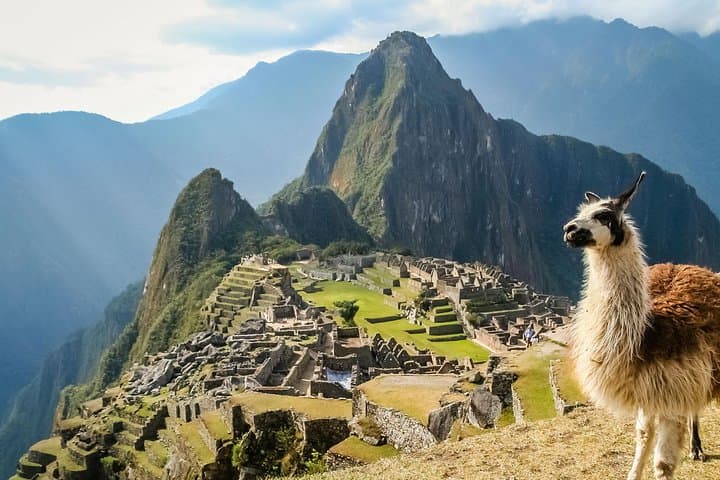
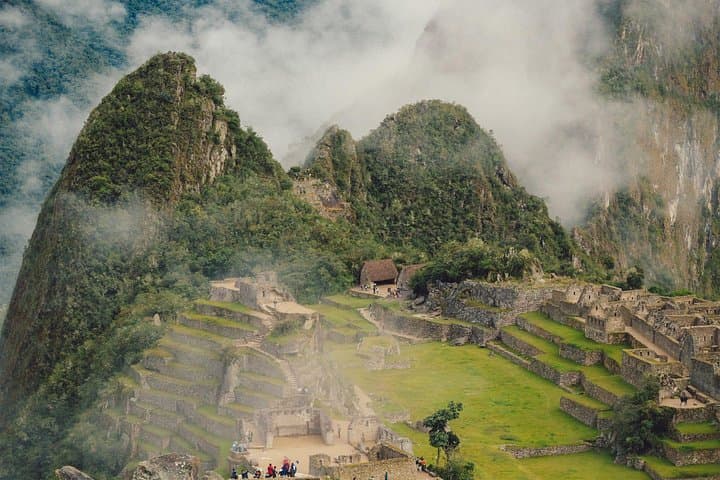
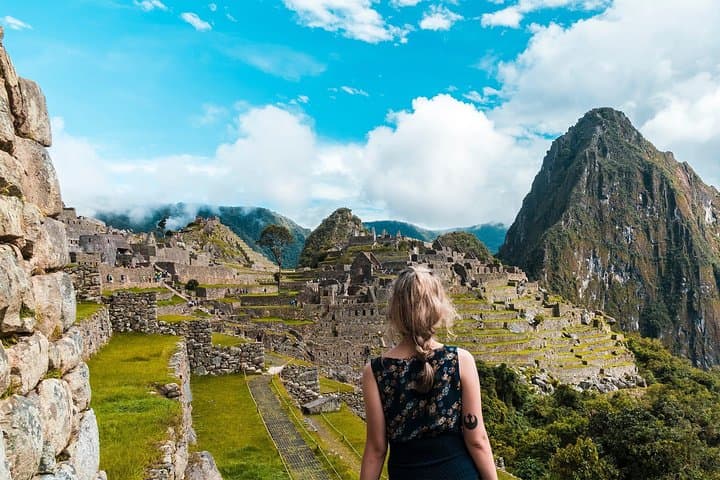
A 2 a.m. van hums through Cusco’s sleeping streets and the air bites at exposed skin — you’re moving toward two of Peru’s most arresting landscapes in one compact itinerary. First: the train descent into the Urubamba valley, where cloud-shrouded river gorges open and the ruins of Machu Picchu appear like a long-guarded secret revealed by light. A guided 2-hour circuit walks you through terraces, temples and viewpoints, then leaves you time to linger while llamas graze the terraces below.
A 2 a.m. van hums through Cusco’s sleeping streets and the air bites at exposed skin — you’re moving toward two of Peru’s most arresting landscapes in one compact itinerary. First: the train descent into the Urubamba valley, where cloud-shrouded river gorges open and the ruins of Machu Picchu appear like a long-guarded secret revealed by light. A guided 2-hour circuit walks you through terraces, temples and viewpoints, then leaves you time to linger while llamas graze the terraces below.
Day two steps into higher, thinner air. The Rainbow Mountain trail climbs across puna grass and wind-scoured ridgelines to 5,035 m (about 16,520 ft), a short but steep route of roughly 8 km round trip and 3.5–4 hours of hiking. The stripes of iron and clay on Vinicunca are a surface expression of glacial and volcanic deposits altered by mineral oxidation and erosion — geology that reads like a page of earth history.
Culturally, both sites sit within Quechua-speaking communities whose agricultural terraces and stonework predate Spanish contact; guides often explain Inca waterworks and modern pastoral life. Expect basic comforts, shared-group pacing if you choose the small-group option, and strict ticketing rules for Machu Picchu.
Practical edge: acclimatize in Cusco for 24–48 hours if possible, carry layers and a good pair of broken-in hiking boots, and hydrate steadily to blunt altitude effects. Plan for early starts, variable mountain weather, and bring cash for small purchases in villages. This two-day pairing delivers intense history and high-altitude scenery — compact, physical, and unforgettable.