THE ADVENTURE COLLECTIVE® · Independent discovery and booking for outdoor travel

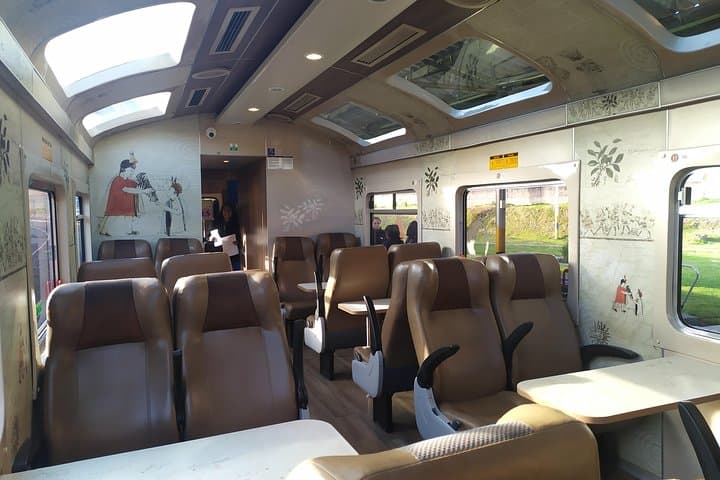
Ride the Vistadome into the Sacred Valley, overnight in Aguas Calientes, and spend a timed morning in Machu Picchu before climbing Huayna Picchu for panoramic views. This two-day itinerary bundles logistics so you can focus on altitude, stonework, and the climb.
Ride the Vistadome into the Sacred Valley, overnight in Aguas Calientes, and spend a timed morning in Machu Picchu before climbing Huayna Picchu for panoramic views. This two-day itinerary bundles logistics so you can focus on altitude, stonework, and the climb.
You step off the Vistadome as mountains tighten around the valley and the Urubamba River pushes forward below. Morning mist lifts like a curtain and reveals terraces clinging to steep slopes; the path to Aguas Calientes hums with travelers and vendors, and a short hotel stay sets the stage for the high, ancient citadel the next day.
Verified experiences and guided adventures in the surrounding area.
Operated by Machupicchu USA · Aguas Calientes, Cusco
You step off the Vistadome as mountains tighten around the valley and the Urubamba River pushes forward below. Morning mist lifts like a curtain and reveals terraces clinging to steep slopes; the path to Aguas Calientes hums with travelers and vendors, and a short hotel stay sets the stage for the high, ancient citadel the next day.
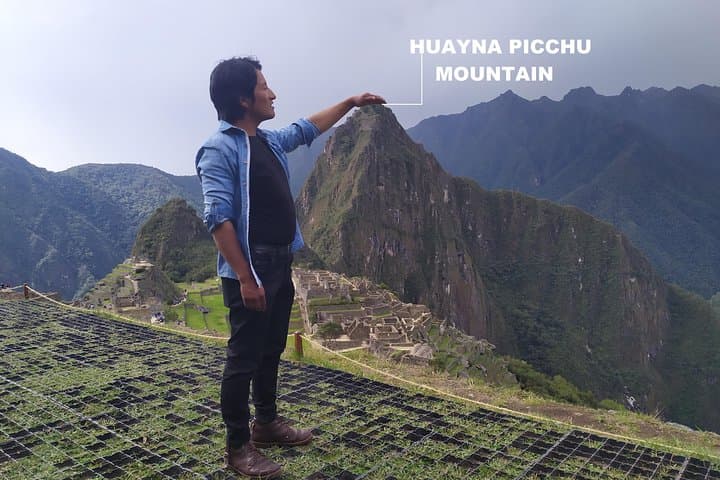
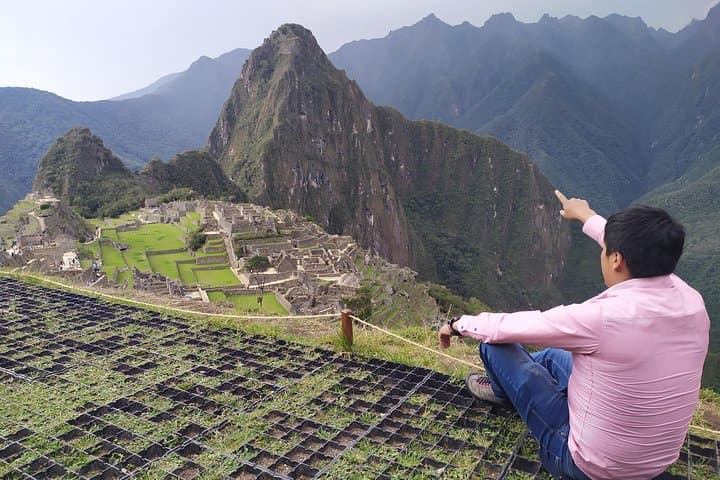
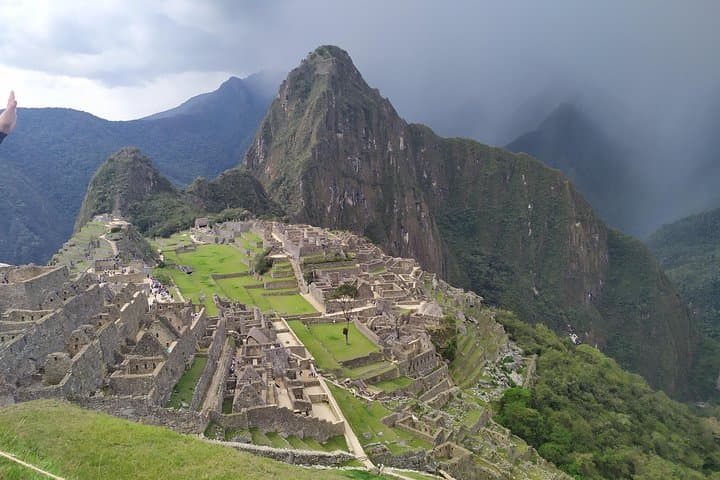
Machu Picchu dates to the 15th-century Inca expansion, an agricultural and ceremonial complex sited where granite ridges allow broad views and natural drainage. Huayna Picchu—its steep companion peak—was carved into narrow terraces and staircases, a place of lookout and ritual whose geology is hard granite with sudden steps and exposed roots.
Local Quechua communities still sell textiles in Chinchero and preserve brewing traditions like chicha; the Vistadome train route follows old Inca corridors, offering glimpses of rural life and cloud-forest ecology along the Urubamba.
Practical guidance: arrive early to avoid crowds, carry ID (entrance gates require it), and allow 50–90 minutes for the Huayna ascent depending on fitness. Trails are steep with uneven stone steps; rain can make them slippery. Altitude is real—spend at least a day in Cusco or the Sacred Valley to acclimatize. Pack layers, rain protection, snacks, and 1–2 liters of water.
Timing matters: the tour’s logistics usually include train segments and a timed Huayna entrance—stick to your slot. Respect marked paths and carry out all waste; the site’s carrying capacity is managed tightly to protect terraces and archaeological fabric. With planning, the two-day combo delivers sunrise views, close-up stonework, and a tight, rewarding climb up Huayna Picchu.
moderate.
2 days.
Good baseline fitness; able to walk 3–5 hours with steep, uneven sections and short steep scrambles on Huayna Picchu.
Expect 50–90 minutes one way depending on fitness; the trail is steep with narrow steps and short exposed sections.
Yes—both have limited, timed entries. Book them well before travel, especially in high season (June–August).
Not recommended—the itinerary involves altitude and a steep ascent to Huayna Picchu; consult a doctor if you have heart or severe respiratory issues.
Constructed in the 15th century during the Inca period and largely abandoned before Spanish arrival; western rediscovery is credited to Hiram Bingham in 1911.
Machu Picchu manages visitor numbers and timed entries to protect fragile terraces and pathways—stay on designated trails and pack out waste to reduce impact.
Machupicchu USA operates guided outdoor trips and adventures with an emphasis on safety, stewardship, and memorable experiences.
You step off the Vistadome as mountains tighten around the valley and the Urubamba River pushes forward below. Morning mist lifts like a curtain and reveals terraces clinging to steep slopes; the path to Aguas Calientes hums with travelers and vendors, and a short hotel stay sets the stage for the high, ancient citadel the next day.
You step off the Vistadome as mountains tighten around the valley and the Urubamba River pushes forward below. Morning mist lifts like a curtain and reveals terraces clinging to steep slopes; the path to Aguas Calientes hums with travelers and vendors, and a short hotel stay sets the stage for the high, ancient citadel the next day.
Machu Picchu dates to the 15th-century Inca expansion, an agricultural and ceremonial complex sited where granite ridges allow broad views and natural drainage. Huayna Picchu—its steep companion peak—was carved into narrow terraces and staircases, a place of lookout and ritual whose geology is hard granite with sudden steps and exposed roots.
Local Quechua communities still sell textiles in Chinchero and preserve brewing traditions like chicha; the Vistadome train route follows old Inca corridors, offering glimpses of rural life and cloud-forest ecology along the Urubamba.
Practical guidance: arrive early to avoid crowds, carry ID (entrance gates require it), and allow 50–90 minutes for the Huayna ascent depending on fitness. Trails are steep with uneven stone steps; rain can make them slippery. Altitude is real—spend at least a day in Cusco or the Sacred Valley to acclimatize. Pack layers, rain protection, snacks, and 1–2 liters of water.
Timing matters: the tour’s logistics usually include train segments and a timed Huayna entrance—stick to your slot. Respect marked paths and carry out all waste; the site’s carrying capacity is managed tightly to protect terraces and archaeological fabric. With planning, the two-day combo delivers sunrise views, close-up stonework, and a tight, rewarding climb up Huayna Picchu.