THE ADVENTURE COLLECTIVE® · Independent discovery and booking for outdoor travel

Ride a scenic Andean train, sleep in Aguas Calientes, and arrive at Machu Picchu for sunrise with an expert guide. This two-day itinerary balances guided history with free time to explore the citadel or climb Huayna Picchu (permits required).
Ride a scenic Andean train, sleep in Aguas Calientes, and arrive at Machu Picchu for sunrise with an expert guide. This two-day itinerary balances guided history with free time to explore the citadel or climb Huayna Picchu (permits required).
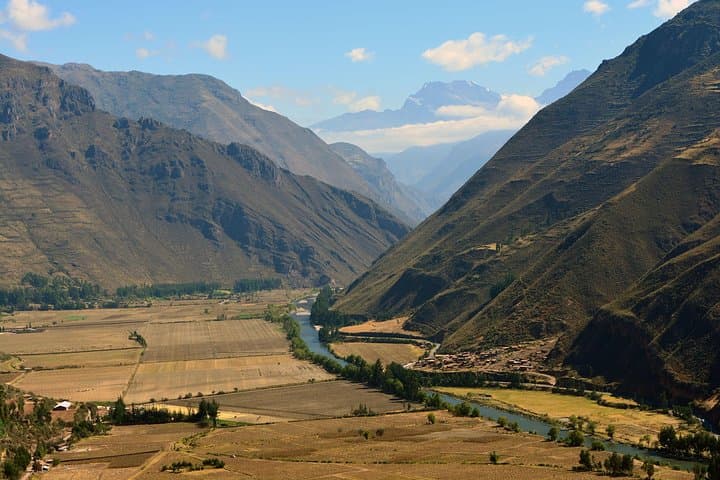
You step onto the train as the Andes fold toward the sky, mist lifting from river canyons and terraces that look like carved staircases. The two-hour rail run from Ollantaytambo to Aguas Calientes moves through a landscape that feels alive—rivers daring you to follow them and cloud forests that hold the scent of wet moss and orchids.
Verified experiences and guided adventures in the surrounding area.
Operated by PERU TRAVEL COMPANY · Aguas Calientes (Machu Picchu Pueblo), Cusco Region
You step onto the train as the Andes fold toward the sky, mist lifting from river canyons and terraces that look like carved staircases. The two-hour rail run from Ollantaytambo to Aguas Calientes moves through a landscape that feels alive—rivers daring you to follow them and cloud forests that hold the scent of wet moss and orchids.
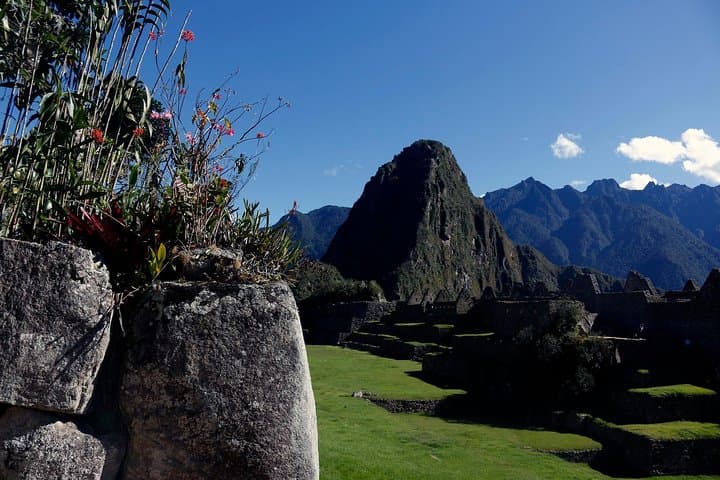
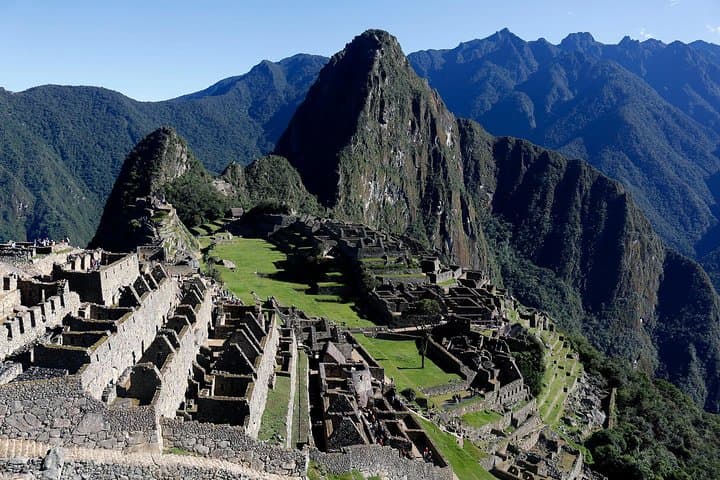
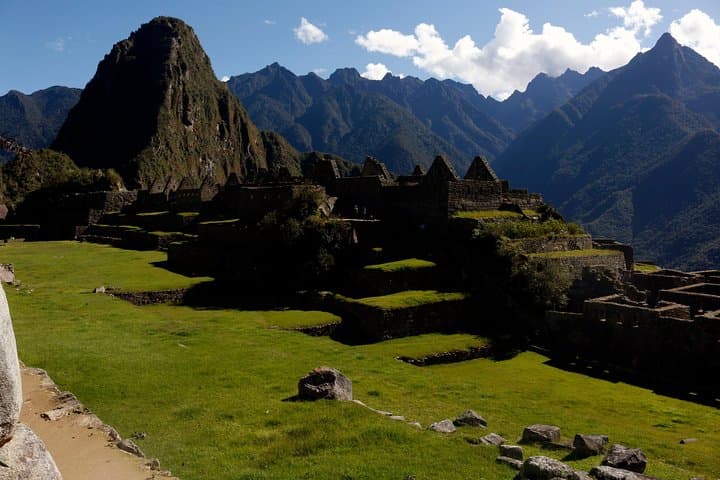
This is where Inca stonework meets volcanic geology. Machu Picchu sits on a ridge between two rivers, built with finely cut granite and anchored by natural fault lines; the site’s terraces and water channels reveal both engineering and sacred order. The citadel’s Royal Quarters, Temple of the Three Windows and Intihuatana (sun dial) trace a culture centered on astronomy, agriculture and mountain worship. Aguas Calientes (Machu Picchu Pueblo) carries a small-service culture shaped by tourism—local markets sell coca tea and handheld crafts; hot springs offer a practical end to a day’s exploration.
Practically speaking: tours begin with hotel pickup in Cusco and a morning drive to Ollantaytambo, then train to Aguas Calientes and an early bus up to the citadel to catch sunrise. Expect uneven stone paths, steep stairs and high altitude—move slowly, hydrate, and schedule time for the guided two-hour overview followed by self-directed walking or optional ascents of Huayna Picchu or Machu Picchu Mountain (permit required). Bring layered clothing, sun protection and a rain layer—the weather shifts fast. Trains and site tickets sell out during high season; book trains and permits well in advance to secure sunrise access.
moderate.
2 days (approx. 48 hours).
Moderate fitness recommended—able to walk several hours, handle steep stone steps and the effects of high altitude.
The scenic train segment is roughly 1.5–2 hours each way, depending on service and stops.
Yes—entry to Machu Picchu requires a timed ticket; Huayna Picchu and Machu Picchu Mountain have separate limited permits that must be booked in advance.
The tour includes bus transport up to the citadel and guided viewpoints, but the site has many uneven steps—accessibility is limited; wheelchairs are challenging on the main ruins.
Symptoms are common—stop, rest, hydrate, use coca tea or acetazolamide if prescribed; severe symptoms require descent and medical attention.
Machu Picchu was built in the mid-15th century and functioned as an elite ceremonial and agricultural center for the Inca, later abandoned during the Spanish conquest.
High visitor numbers stress fragile stonework and water systems; follow stay-on-path rules, avoid touching masonry, and use biodegradable products.
PERU TRAVEL COMPANY operates guided outdoor trips and adventures with an emphasis on safety, stewardship, and memorable experiences.
You step onto the train as the Andes fold toward the sky, mist lifting from river canyons and terraces that look like carved staircases. The two-hour rail run from Ollantaytambo to Aguas Calientes moves through a landscape that feels alive—rivers daring you to follow them and cloud forests that hold the scent of wet moss and orchids.
You step onto the train as the Andes fold toward the sky, mist lifting from river canyons and terraces that look like carved staircases. The two-hour rail run from Ollantaytambo to Aguas Calientes moves through a landscape that feels alive—rivers daring you to follow them and cloud forests that hold the scent of wet moss and orchids.
This is where Inca stonework meets volcanic geology. Machu Picchu sits on a ridge between two rivers, built with finely cut granite and anchored by natural fault lines; the site’s terraces and water channels reveal both engineering and sacred order. The citadel’s Royal Quarters, Temple of the Three Windows and Intihuatana (sun dial) trace a culture centered on astronomy, agriculture and mountain worship. Aguas Calientes (Machu Picchu Pueblo) carries a small-service culture shaped by tourism—local markets sell coca tea and handheld crafts; hot springs offer a practical end to a day’s exploration.
Practically speaking: tours begin with hotel pickup in Cusco and a morning drive to Ollantaytambo, then train to Aguas Calientes and an early bus up to the citadel to catch sunrise. Expect uneven stone paths, steep stairs and high altitude—move slowly, hydrate, and schedule time for the guided two-hour overview followed by self-directed walking or optional ascents of Huayna Picchu or Machu Picchu Mountain (permit required). Bring layered clothing, sun protection and a rain layer—the weather shifts fast. Trains and site tickets sell out during high season; book trains and permits well in advance to secure sunrise access.