THE ADVENTURE COLLECTIVE® · Independent discovery and booking for outdoor travel

A compact two-day loop from Cusco that pairs a guided Machu Picchu visit with the high-altitude hike to Vinicunca (Rainbow Mountain). Expect train travel, steep high-puna walking, and big views at 5,200 m.
A compact two-day loop from Cusco that pairs a guided Machu Picchu visit with the high-altitude hike to Vinicunca (Rainbow Mountain). Expect train travel, steep high-puna walking, and big views at 5,200 m.
Morning fog thins as the bus pulls out of Cusco before dawn, the city’s colonial roofs shrinking behind you while the high Andes open up to terraces and red-brown ridgelines.
Verified experiences and guided adventures in the surrounding area.
Operated by Ausangate trail · Aguas Calientes (Machu Picchu Pueblo), Cusco
Morning fog thins as the bus pulls out of Cusco before dawn, the city’s colonial roofs shrinking behind you while the high Andes open up to terraces and red-brown ridgelines.
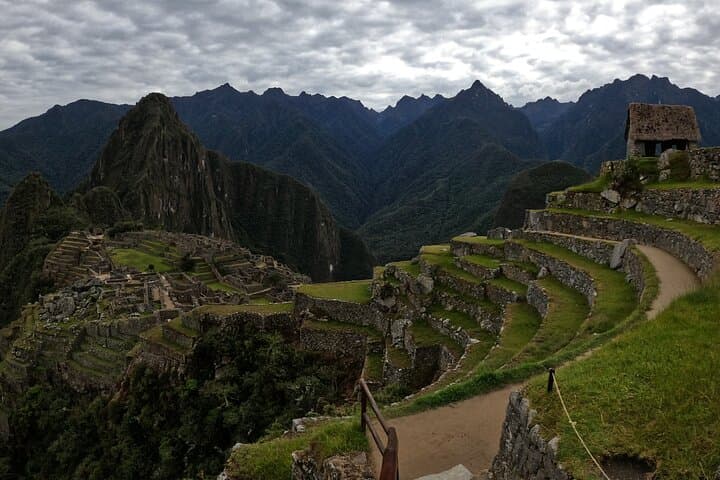
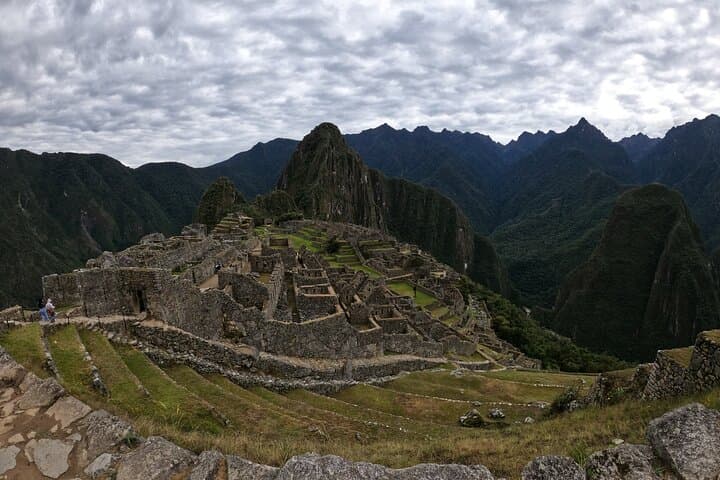
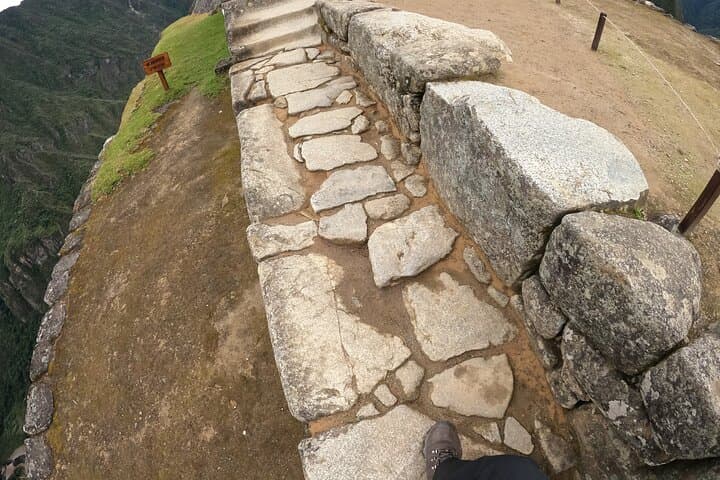
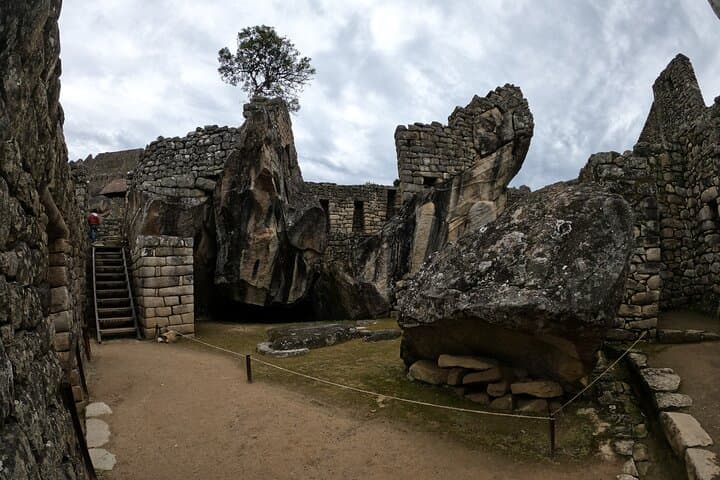
On day one the route shifts from road to rail: a two-hour transfer to Ollantaytambo, a scenic 90–120 minute train ride to Aguas Calientes, then a 25–40 minute shuttle bus into the Machu Picchu citadel. The guided three-hour circuit (Circuit 2) walks the core ruins—House of the Guardian, the three windows, the Sacred Rock—on uneven stonework and stepped terraces at about 2,430 m.
Day two turns the focus to high-altitude trekking. A predawn drive south to Pampachiri/Cusipata sets up the Vinicunca approach. From the parking area the trail climbs roughly 3.5 km one way, gaining ~450–600 m to the panoramic crest at about 5,200 m. The terrain is high-puna grass, loose scree and compacted soil; horses are an option for part of the ascent.
This itinerary threads together Inca engineering and recent geological drama: Andes uplift plus mineral staining created the banded colors of Vinicunca, while Machu Picchu occupies a strategic ridge shaped by millennia of human and tectonic forces. Culturally, you’ll encounter Quechua-speaking communities and pastoral landscapes.
Practical edge: plan 48–72 hours of acclimatization in Cusco, pack layered insulation and sun protection, hydrate, and expect strong UV and sudden weather shifts. The trip demands moderate to strong fitness and respect for altitude; rewards are sweeping archaeological panoramas and the stark, colorful high Andes.
challenging.
2 days.
Moderately fit to fit; able to hike 3–5 hours at altitude and tolerate long travel days
The hike is short but steep at altitude—about 3.5 km one way with ~450–600 m elevation gain; moderate fitness and acclimatization are essential.
Yes—the tour includes entry to Machu Picchu (Circuit 2) and a guided three-hour visit of the main citadel sites.
Yes, horses are available locally for part of the ascent but availability can vary; verify before your trek if you require a horse.
The dry season (May–September) offers the most stable weather for both Machu Picchu and Vinicunca; even then, mornings are cold and afternoons can change quickly.
Machu Picchu is a 15th-century Inca citadel built on a strategic ridgeline; Vinicunca’s colors result from mineral deposits exposed by erosion and uplift.
High visitor numbers strain fragile high-puna ecosystems and archaeological sites—stick to trails, avoid littering, and support local guiding groups.
Ausangate trail operates guided outdoor trips and adventures with an emphasis on safety, stewardship, and memorable experiences.
Morning fog thins as the bus pulls out of Cusco before dawn, the city’s colonial roofs shrinking behind you while the high Andes open up to terraces and red-brown ridgelines.
Morning fog thins as the bus pulls out of Cusco before dawn, the city’s colonial roofs shrinking behind you while the high Andes open up to terraces and red-brown ridgelines.
On day one the route shifts from road to rail: a two-hour transfer to Ollantaytambo, a scenic 90–120 minute train ride to Aguas Calientes, then a 25–40 minute shuttle bus into the Machu Picchu citadel. The guided three-hour circuit (Circuit 2) walks the core ruins—House of the Guardian, the three windows, the Sacred Rock—on uneven stonework and stepped terraces at about 2,430 m.
Day two turns the focus to high-altitude trekking. A predawn drive south to Pampachiri/Cusipata sets up the Vinicunca approach. From the parking area the trail climbs roughly 3.5 km one way, gaining ~450–600 m to the panoramic crest at about 5,200 m. The terrain is high-puna grass, loose scree and compacted soil; horses are an option for part of the ascent.
This itinerary threads together Inca engineering and recent geological drama: Andes uplift plus mineral staining created the banded colors of Vinicunca, while Machu Picchu occupies a strategic ridge shaped by millennia of human and tectonic forces. Culturally, you’ll encounter Quechua-speaking communities and pastoral landscapes.
Practical edge: plan 48–72 hours of acclimatization in Cusco, pack layered insulation and sun protection, hydrate, and expect strong UV and sudden weather shifts. The trip demands moderate to strong fitness and respect for altitude; rewards are sweeping archaeological panoramas and the stark, colorful high Andes.