THE ADVENTURE COLLECTIVE® · Independent discovery and booking for outdoor travel

Drive from Hurghada through desert to the Nile for a concentrated, two-day cultural tour: Abydos and Dendera’s vivid reliefs, a night in Luxor, then Karnak and the Valley of the Kings. Early starts, shade and hydration pay off.
Drive from Hurghada through desert to the Nile for a concentrated, two-day cultural tour: Abydos and Dendera’s vivid reliefs, a night in Luxor, then Karnak and the Valley of the Kings. Early starts, shade and hydration pay off.
You leave Hurghada before sunrise and the highway becomes a ribbon through ochre desert. Windows frame the slow change from sandy wastes to the green strip of the Nile: reed beds, palm groves and the silhouette of Luxor’s temples rising like stone ships on the river. The first day is a study in carved color—Abydos’s dark reliefs and Dendera’s Hathor hall—before you settle into an evening stroll around Luxor’s lit colonnades.
Verified experiences and guided adventures in the surrounding area.
Operated by Egypt Best Day Tours · Luxor, Luxor Governorate
You leave Hurghada before sunrise and the highway becomes a ribbon through ochre desert. Windows frame the slow change from sandy wastes to the green strip of the Nile: reed beds, palm groves and the silhouette of Luxor’s temples rising like stone ships on the river. The first day is a study in carved color—Abydos’s dark reliefs and Dendera’s Hathor hall—before you settle into an evening stroll around Luxor’s lit colonnades.
Abydos preserves some of Egypt’s clearest royal inscriptions: Seti I began the site and Ramesses II completed many panels, creating a near-intact record of New Kingdom iconography. Dendera’s Hathor Temple carries a rare zodiac ceiling and tightly cut underground chambers; both sites reflect Pharaonic religious life and astronomical observation. Geologically, the west bank’s limestone cliffs were suitable for tomb-cutting, while the east bank’s alluvial plain supported temple towns and agriculture.
Expect comfortable driving between sites in an air-conditioned vehicle, guided stops for photo and explanation, one overnight in Luxor and meals included. Practical pointers: start early to avoid midday heat, carry sun protection and plenty of water, and wear shoes that handle sandy temple thresholds and occasional stairways. Respect site rules—no touching painted reliefs and follow your Egyptologist’s guidance on permitted photography. Cash for tips and small purchases is useful; ATMs exist in Luxor and Hurghada.
This is a cultural, low-impact adventure best for travelers who want concentrated history over strenuous hiking—rich in visual detail and efficient logistics.
easy.
2 days (approx. 8–10 hours/day).
Light activity: mostly walking on even ground with some stairs; suitable for general fitness levels.
Some admissions are covered per itinerary notes, but check the tour details—certain tombs in the Valley of the Kings may require separate tickets at entry.
Expect several hours of driving each way; Hurghada to Luxor is roughly a 3–4 hour drive depending on traffic and stops.
The operator lists wheelchair-accessible transportation and many surfaces as accessible, but some temple areas and tomb interiors have stairs or uneven floors—confirm specific access needs before booking.
Breakfast and two lunches plus one night’s accommodation in Luxor are included; verify any dietary requirements in advance.
Abydos was a major cult center of Osiris; Seti I and Ramesses II contributed significant relief programs. Luxor was ancient Thebes, home to New Kingdom pharaohs and monumental temple-building.
Sites face wear from visitors and climate; follow guide rules, avoid touching carved surfaces, and use refillable bottles where possible to reduce waste.
Egypt Best Day Tours operates guided outdoor trips and adventures with an emphasis on safety, stewardship, and memorable experiences.
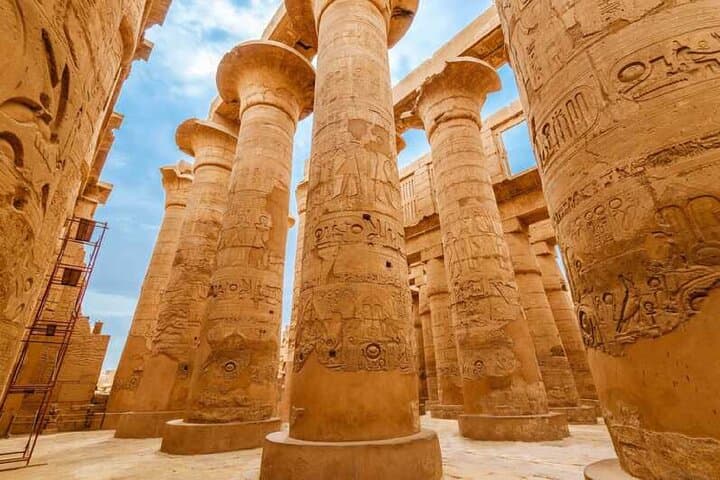
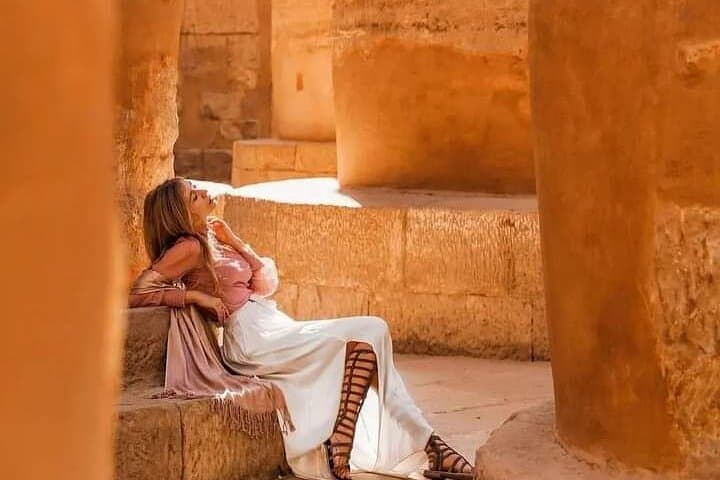
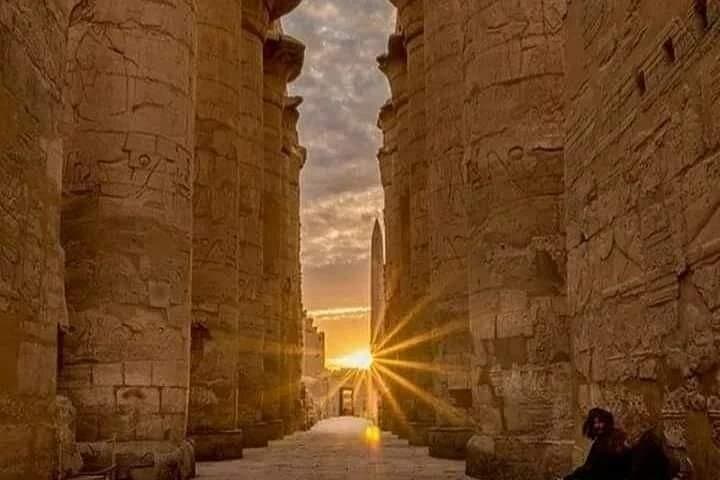
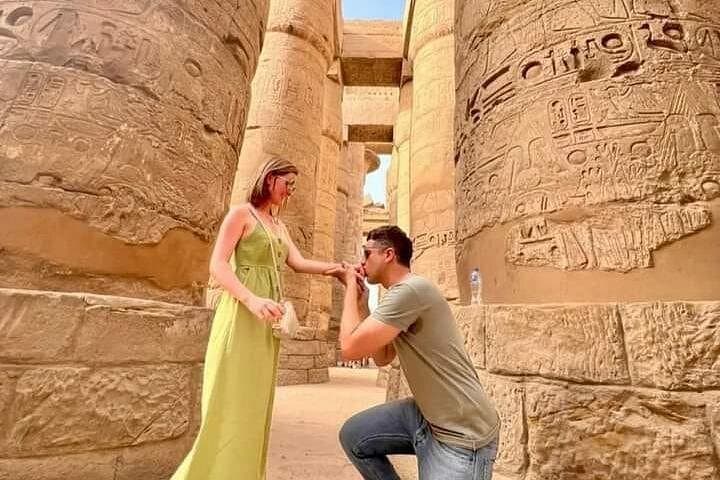
You leave Hurghada before sunrise and the highway becomes a ribbon through ochre desert. Windows frame the slow change from sandy wastes to the green strip of the Nile: reed beds, palm groves and the silhouette of Luxor’s temples rising like stone ships on the river. The first day is a study in carved color—Abydos’s dark reliefs and Dendera’s Hathor hall—before you settle into an evening stroll around Luxor’s lit colonnades.
You leave Hurghada before sunrise and the highway becomes a ribbon through ochre desert. Windows frame the slow change from sandy wastes to the green strip of the Nile: reed beds, palm groves and the silhouette of Luxor’s temples rising like stone ships on the river. The first day is a study in carved color—Abydos’s dark reliefs and Dendera’s Hathor hall—before you settle into an evening stroll around Luxor’s lit colonnades.
Abydos preserves some of Egypt’s clearest royal inscriptions: Seti I began the site and Ramesses II completed many panels, creating a near-intact record of New Kingdom iconography. Dendera’s Hathor Temple carries a rare zodiac ceiling and tightly cut underground chambers; both sites reflect Pharaonic religious life and astronomical observation. Geologically, the west bank’s limestone cliffs were suitable for tomb-cutting, while the east bank’s alluvial plain supported temple towns and agriculture.
Expect comfortable driving between sites in an air-conditioned vehicle, guided stops for photo and explanation, one overnight in Luxor and meals included. Practical pointers: start early to avoid midday heat, carry sun protection and plenty of water, and wear shoes that handle sandy temple thresholds and occasional stairways. Respect site rules—no touching painted reliefs and follow your Egyptologist’s guidance on permitted photography. Cash for tips and small purchases is useful; ATMs exist in Luxor and Hurghada.
This is a cultural, low-impact adventure best for travelers who want concentrated history over strenuous hiking—rich in visual detail and efficient logistics.