THE ADVENTURE COLLECTIVE® · Independent discovery and booking for outdoor travel

Pack centuries into a weekend: sunrise over Karnak, a quiet hot air balloon glide above the West Bank, and the tomb-lined cliffs of the Valley of the Kings. This two-day Cairo-to-Luxor itinerary delivers essential ancient Egypt highlights with practical tips for early starts and desert conditions.
Pack centuries into a weekend: sunrise over Karnak, a quiet hot air balloon glide above the West Bank, and the tomb-lined cliffs of the Valley of the Kings. This two-day Cairo-to-Luxor itinerary delivers essential ancient Egypt highlights with practical tips for early starts and desert conditions.
Dawn strips color across the Nile as your minivan eases away from Luxor airport and the desert opens into carved rock and column-shadowed courtyards. By the first light you'll stand beneath Karnak’s colonnade where stone seems to hold centuries of workmen’s breaths, then move through Luxor Temple where layers of pharaonic, Coptic and Islamic history meet in the same shadow.
Verified experiences and guided adventures in the surrounding area.
Operated by Go Tours Egypt · Luxor, Luxor Governorate
Dawn strips color across the Nile as your minivan eases away from Luxor airport and the desert opens into carved rock and column-shadowed courtyards. By the first light you'll stand beneath Karnak’s colonnade where stone seems to hold centuries of workmen’s breaths, then move through Luxor Temple where layers of pharaonic, Coptic and Islamic history meet in the same shadow.
This two-day itinerary stitches the essentials of ancient Thebes: Karnak’s hypostyle halls—built for more than 2,000 years—Luxor Temple, the West Bank necropolis of the Valley of the Kings with tombs of New Kingdom pharaohs, and Hatshepsut’s mortuary temple carved into limestone cliffs. Geologically, the Nile’s floodplain and the adjacent limestone escarpments shaped where rulers buried their dead; culturally, Luxor remains a living city where boatmen, guides and excavators share the riverbank with travelers.
Expect an early pre-dawn pickup for a 30–45 minute hot air balloon flight over orchards, temples and the rust-colored ridges that guard the Valley. The balloon gives scale to the ruins below and a quiet window to photograph monuments before crowds arrive.
Practical edge: dress for sun and stairs, carry cash for small admissions and tips, and plan for irregularities—balloon flights can be canceled for wind or sand. Moderate walking fitness is required for steps, uneven stone floors and brief stretches in open heat. Bring a charged camera, a hat, and a sense of patience: the best views often come between scheduled moments, when the river dares you to look past the obvious.
moderate.
2 days (about 48 hours).
Moderate; able to climb stairs, walk on uneven surfaces, and handle early starts
Yes—the itinerary includes a 30–45 minute hot air balloon flight over Luxor’s West Bank, weather permitting.
Most admission fees are not listed as included; plan to pay entrance fees on-site or confirm with the operator before travel.
Transfers and vehicles are listed as wheelchair accessible, but some sites (tombs and steep temples) have uneven ground and stairs that limit access.
Infants may join but must sit on an adult’s lap during transport; confirm specific needs with the operator when booking.
Luxor (ancient Thebes) was Egypt’s political and religious capital in the New Kingdom; Karnak grew over 2,000 years and the Valley of the Kings served as the royal necropolis.
Archaeological sites are sensitive—avoid touching painted surfaces, follow signage, and support licensed guides to ensure responsible visitation; balloon operators also follow local safety and environmental guidelines.
Go Tours Egypt operates guided outdoor trips and adventures with an emphasis on safety, stewardship, and memorable experiences.
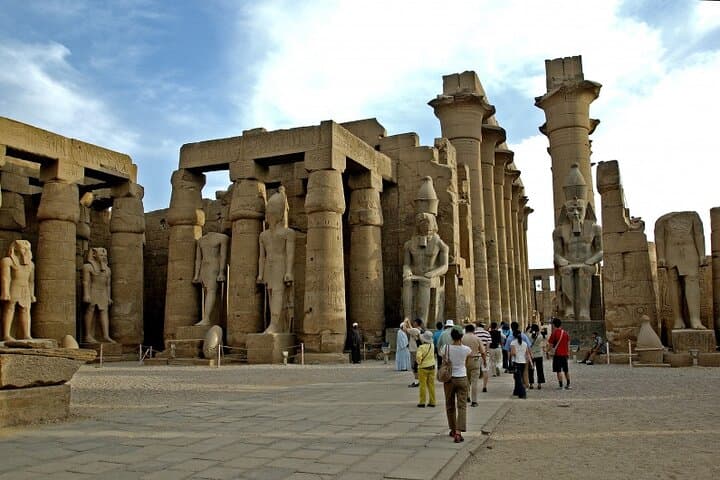
Dawn strips color across the Nile as your minivan eases away from Luxor airport and the desert opens into carved rock and column-shadowed courtyards. By the first light you'll stand beneath Karnak’s colonnade where stone seems to hold centuries of workmen’s breaths, then move through Luxor Temple where layers of pharaonic, Coptic and Islamic history meet in the same shadow.
Dawn strips color across the Nile as your minivan eases away from Luxor airport and the desert opens into carved rock and column-shadowed courtyards. By the first light you'll stand beneath Karnak’s colonnade where stone seems to hold centuries of workmen’s breaths, then move through Luxor Temple where layers of pharaonic, Coptic and Islamic history meet in the same shadow.
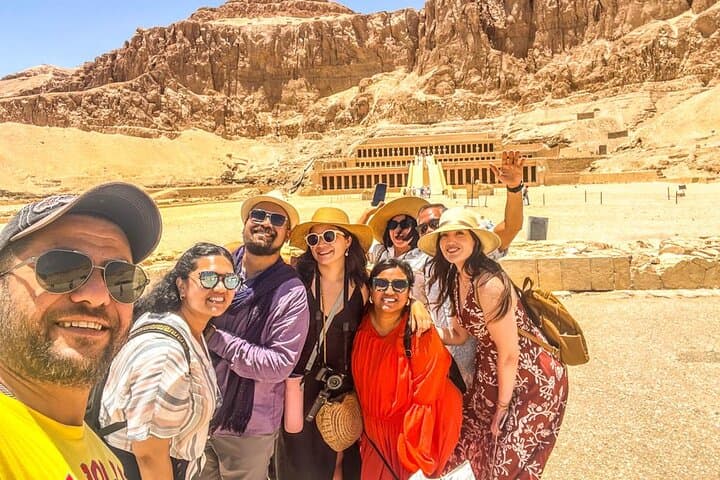
This two-day itinerary stitches the essentials of ancient Thebes: Karnak’s hypostyle halls—built for more than 2,000 years—Luxor Temple, the West Bank necropolis of the Valley of the Kings with tombs of New Kingdom pharaohs, and Hatshepsut’s mortuary temple carved into limestone cliffs. Geologically, the Nile’s floodplain and the adjacent limestone escarpments shaped where rulers buried their dead; culturally, Luxor remains a living city where boatmen, guides and excavators share the riverbank with travelers.
Expect an early pre-dawn pickup for a 30–45 minute hot air balloon flight over orchards, temples and the rust-colored ridges that guard the Valley. The balloon gives scale to the ruins below and a quiet window to photograph monuments before crowds arrive.
Practical edge: dress for sun and stairs, carry cash for small admissions and tips, and plan for irregularities—balloon flights can be canceled for wind or sand. Moderate walking fitness is required for steps, uneven stone floors and brief stretches in open heat. Bring a charged camera, a hat, and a sense of patience: the best views often come between scheduled moments, when the river dares you to look past the obvious.