THE ADVENTURE COLLECTIVE® · Independent discovery and booking for outdoor travel

Two full days of Luxor’s greatest hits: descend into royal tombs on the West Bank, then stand beneath Karnak’s hypostyle hall on the East Bank. This private tour pairs air-conditioned transport with expert guiding—ideal for history-minded travelers.
Two full days of Luxor’s greatest hits: descend into royal tombs on the West Bank, then stand beneath Karnak’s hypostyle hall on the East Bank. This private tour pairs air-conditioned transport with expert guiding—ideal for history-minded travelers.
You step off the bus into hard, bright air; the Nile’s slow current seems to dare you to slow down while the desert sun presses the stone in the distance. Over two days this private tour threads the living city of Luxor with the ancient west—tombs cut into limestone hills and monumental temples that still hold scale and drama.
Verified experiences and guided adventures in the surrounding area.
Operated by Queen Nefertari Tours · Luxor, Luxor Governorate
You step off the bus into hard, bright air; the Nile’s slow current seems to dare you to slow down while the desert sun presses the stone in the distance. Over two days this private tour threads the living city of Luxor with the ancient west—tombs cut into limestone hills and monumental temples that still hold scale and drama.
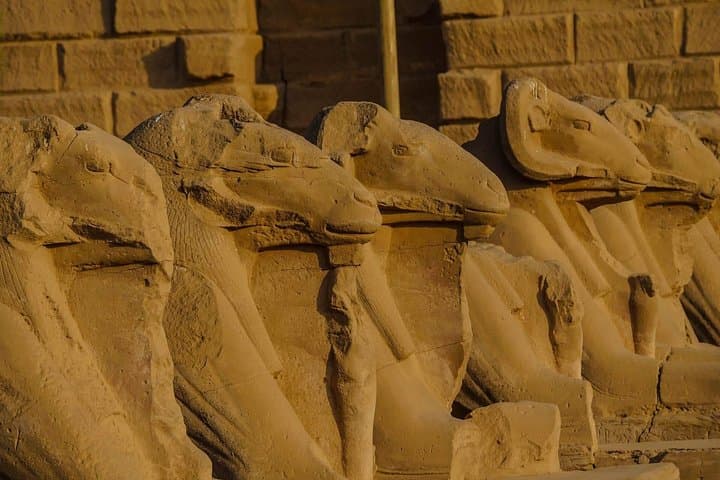
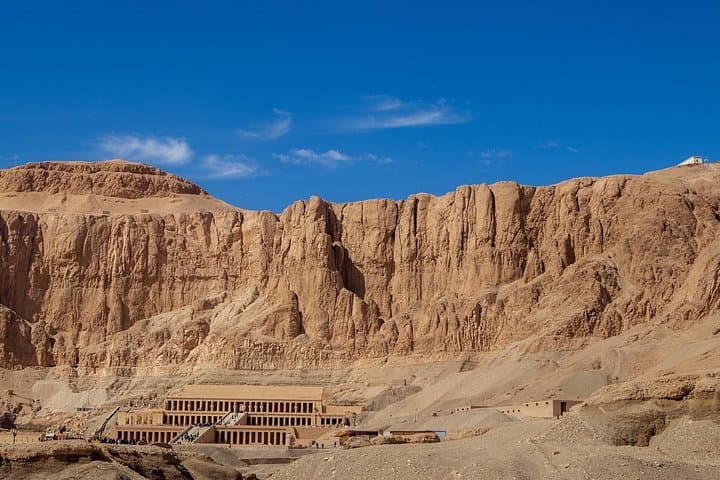
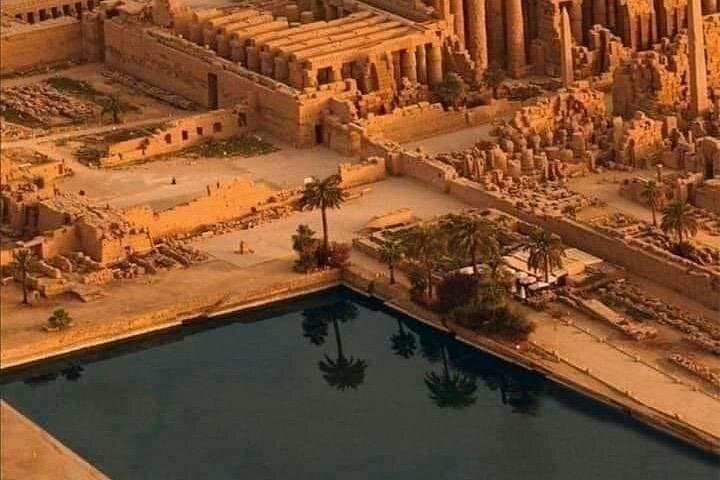
On the West Bank the Valley of the Kings opens like a carved library: descending passageways lead to painted chambers where pharaohs prepared for a long afterlife. Nearby, Hatshepsut’s temple rises in terraces from the rock, and the Colossi of Memnon stand like timeworn guards. Across the Nile, the East Bank’s Karnak complex is an architectural narrative—hypostyle halls, obelisks, and a once-processional avenue of sphinxes reflecting dynasties and religious shifts.
Geology here is simple and stark: soft limestone cliffs made this valley ideal for subterranean tombs; sandstone and granite were quarried for temples and obelisks. Culturally, Luxor is both modern market center and open-air museum—expect vendors, local guides sharing layered myths, and food stalls serving lentil stews and strong coffee.
Practical guidance: wear comfortable walking shoes, a wide-brim hat, and sun protection; steps and uneven floors are common in tombs. Start early both days to avoid peak heat and crowds; bring a refillable water bottle—the tour provides bottled water but having spare is wise. Photography rules vary by site; follow your guide for ticketed tomb access. With private transport and an Egyptology guide option, this two-day itinerary balances immersive history with logistical ease.
easy.
Two full days (approx. 8–10 hours/day).
Suitable for travelers with basic mobility; requires walking on uneven stone, stairs, and short climbs.
Some entrance fees and options (like a private Egyptology guide or lunch) may be included depending on the booking option—confirm at checkout.
Yes; the operator notes infants must sit on laps and the tour is suitable for all fitness levels, though tomb interiors can be narrow and dim.
No—the iconic mask is housed in Cairo’s Egyptian Museum; the tour visits Tutankhamen’s tomb in the Valley of the Kings, which still provides powerful archaeological context.
Expect several hours of walking across flat temple complexes and some stairs or ramps in tombs—plan for 8–10 hours total touring each day including transport and breaks.
Luxor occupies the site of ancient Thebes, Egypt’s royal and religious capital for much of the New Kingdom (c.1550–1070 BC), leaving an extraordinary concentration of temples and royal tombs.
Tourists are urged to avoid touching painted surfaces and to use bottled water sparingly; supporting certified local guides helps ensure tourism revenue benefits conservation and community projects.
Queen Nefertari Tours operates guided outdoor trips and adventures with an emphasis on safety, stewardship, and memorable experiences.
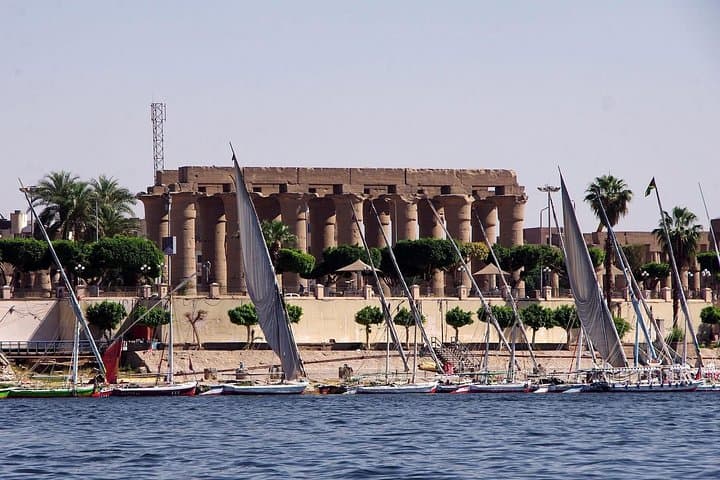
You step off the bus into hard, bright air; the Nile’s slow current seems to dare you to slow down while the desert sun presses the stone in the distance. Over two days this private tour threads the living city of Luxor with the ancient west—tombs cut into limestone hills and monumental temples that still hold scale and drama.
You step off the bus into hard, bright air; the Nile’s slow current seems to dare you to slow down while the desert sun presses the stone in the distance. Over two days this private tour threads the living city of Luxor with the ancient west—tombs cut into limestone hills and monumental temples that still hold scale and drama.
On the West Bank the Valley of the Kings opens like a carved library: descending passageways lead to painted chambers where pharaohs prepared for a long afterlife. Nearby, Hatshepsut’s temple rises in terraces from the rock, and the Colossi of Memnon stand like timeworn guards. Across the Nile, the East Bank’s Karnak complex is an architectural narrative—hypostyle halls, obelisks, and a once-processional avenue of sphinxes reflecting dynasties and religious shifts.
Geology here is simple and stark: soft limestone cliffs made this valley ideal for subterranean tombs; sandstone and granite were quarried for temples and obelisks. Culturally, Luxor is both modern market center and open-air museum—expect vendors, local guides sharing layered myths, and food stalls serving lentil stews and strong coffee.
Practical guidance: wear comfortable walking shoes, a wide-brim hat, and sun protection; steps and uneven floors are common in tombs. Start early both days to avoid peak heat and crowds; bring a refillable water bottle—the tour provides bottled water but having spare is wise. Photography rules vary by site; follow your guide for ticketed tomb access. With private transport and an Egyptology guide option, this two-day itinerary balances immersive history with logistical ease.