THE ADVENTURE COLLECTIVE® · Independent discovery and booking for outdoor travel

See Abu Simbel’s sunlit colossi, Philae’s island temple, and Luxor’s Valley of the Kings in a compact 48‑hour circuit. This guided two‑day flight tour from Cairo balances efficient travel with deep, on-site history and practical logistics.
See Abu Simbel’s sunlit colossi, Philae’s island temple, and Luxor’s Valley of the Kings in a compact 48‑hour circuit. This guided two‑day flight tour from Cairo balances efficient travel with deep, on-site history and practical logistics.
You step out of Cairo's airport into a narrower sky and, within an hour, the desert opens like a slow-moving tide below the plane. On this compressed two-day circuit you trade the city's bustle for colossal stone faces at Abu Simbel, Nile-side temples in Aswan, and the tomb-carved slopes of Luxor — all threaded together by short flights and private transfers.
Verified experiences and guided adventures in the surrounding area.
Operated by Egyptian Felucca ride On the Nile · Aswan, Aswan Governorate
You step out of Cairo's airport into a narrower sky and, within an hour, the desert opens like a slow-moving tide below the plane. On this compressed two-day circuit you trade the city's bustle for colossal stone faces at Abu Simbel, Nile-side temples in Aswan, and the tomb-carved slopes of Luxor — all threaded together by short flights and private transfers.
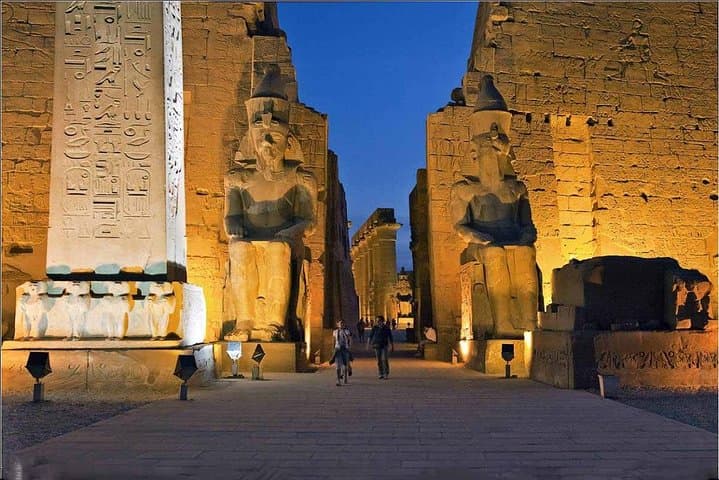
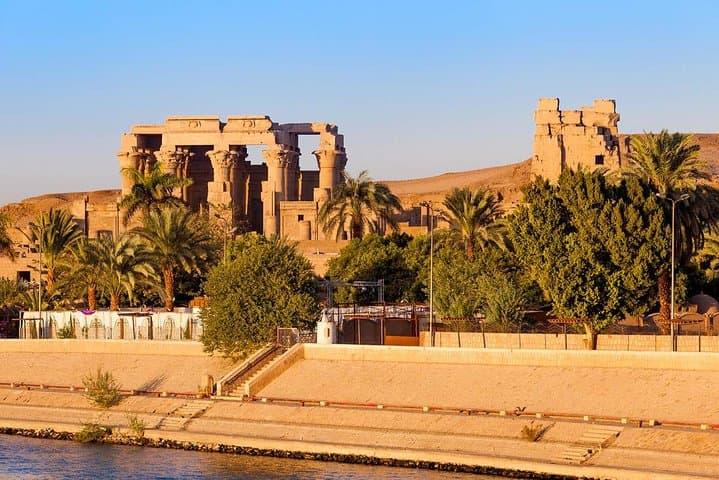
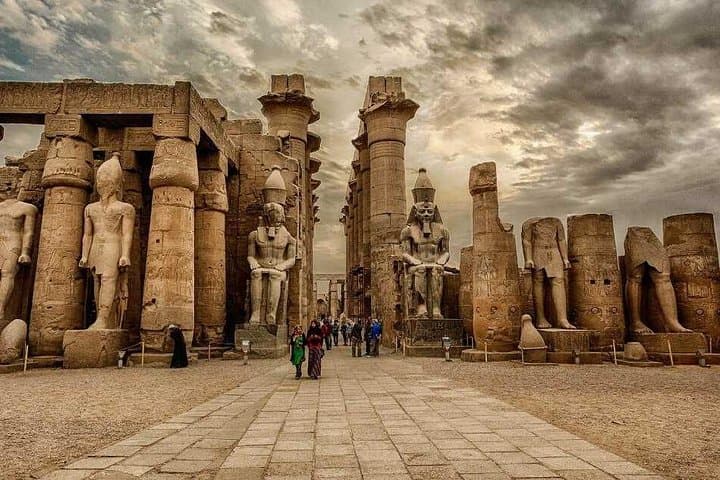
Abu Simbel sits on the southern fringe of ancient Nubia; Ramses II carved granite into monumental façades timed with the sun. The nearby Philae Temple, moved stone-by-stone during the High Dam project, sits on an island that still answers to the pulse of the Nile. Luxor's West Bank houses the Valley of the Kings — a cliff of painted burial chambers — while Karnak and Luxor Temples on the East Bank display columned courts and obelisks raised across dynasties.
Geology here is bold: Nubian sandstone, riverine alluvium and the engineered heft of Aswan High Dam reshape flow and life along the Nile. Cultural notes: Nubian communities remain vibrant around Aswan, and local guides tie rituals and inscriptions to living traditions.
Practical edge: expect early starts, an internal flight each direction, and guided entry to major sites. Carry a passport copy (required at booking), sun protection, and loose clothing for respectful temple visits. Allow time between flights for transfers; museum-quality sites mean queues and security checks. If you want to prioritize lightness over speed, skip an extra site in favor of lingering at Philae or the Valley of the Kings. This itinerary compresses Egypt’s layered history into one high-impact weekend, delivering monuments and context with efficient logistics.
easy.
48 hours (2 days).
Suitable for travelers in average health; involves walking on uneven surfaces and short climbs in tombs and temple complexes.
Visa requirements depend on nationality; many visitors can obtain a visa on arrival or e‑visa before travel — check Egypt’s official visa guidance well before booking.
Yes — the itinerary includes round-trip domestic flight segments between Cairo and Upper Egypt as listed in the inclusions.
The tour involves walking on uneven surfaces and steps in temples and tombs; it’s labeled suitable for general fitness but not recommended for those with serious spinal or mobility issues.
Lunch at local restaurants is included on the itinerary; other meals depend on your accommodation choice or selected options.
These sites span the New Kingdom and later periods; Abu Simbel was famously relocated in the 1960s to avoid flooding from the Aswan High Dam under a UNESCO-led operation.
High visitor numbers and earlier dam construction altered local waterways; ongoing management focuses on protecting monuments from humidity, salt, and tourist impact.
Egyptian Felucca ride On the Nile operates guided outdoor trips and adventures with an emphasis on safety, stewardship, and memorable experiences.
You step out of Cairo's airport into a narrower sky and, within an hour, the desert opens like a slow-moving tide below the plane. On this compressed two-day circuit you trade the city's bustle for colossal stone faces at Abu Simbel, Nile-side temples in Aswan, and the tomb-carved slopes of Luxor — all threaded together by short flights and private transfers.
You step out of Cairo's airport into a narrower sky and, within an hour, the desert opens like a slow-moving tide below the plane. On this compressed two-day circuit you trade the city's bustle for colossal stone faces at Abu Simbel, Nile-side temples in Aswan, and the tomb-carved slopes of Luxor — all threaded together by short flights and private transfers.
Abu Simbel sits on the southern fringe of ancient Nubia; Ramses II carved granite into monumental façades timed with the sun. The nearby Philae Temple, moved stone-by-stone during the High Dam project, sits on an island that still answers to the pulse of the Nile. Luxor's West Bank houses the Valley of the Kings — a cliff of painted burial chambers — while Karnak and Luxor Temples on the East Bank display columned courts and obelisks raised across dynasties.
Geology here is bold: Nubian sandstone, riverine alluvium and the engineered heft of Aswan High Dam reshape flow and life along the Nile. Cultural notes: Nubian communities remain vibrant around Aswan, and local guides tie rituals and inscriptions to living traditions.
Practical edge: expect early starts, an internal flight each direction, and guided entry to major sites. Carry a passport copy (required at booking), sun protection, and loose clothing for respectful temple visits. Allow time between flights for transfers; museum-quality sites mean queues and security checks. If you want to prioritize lightness over speed, skip an extra site in favor of lingering at Philae or the Valley of the Kings. This itinerary compresses Egypt’s layered history into one high-impact weekend, delivering monuments and context with efficient logistics.