THE ADVENTURE COLLECTIVE® · Independent discovery and booking for outdoor travel

Two compact days of driving deliver Lake Manyara’s soda-lake birds and Ngorongoro’s crater-packed megafauna. This itinerary is ideal for travelers short on time who want a high-density, classic Tanzanian safari.
Two compact days of driving deliver Lake Manyara’s soda-lake birds and Ngorongoro’s crater-packed megafauna. This itinerary is ideal for travelers short on time who want a high-density, classic Tanzanian safari.
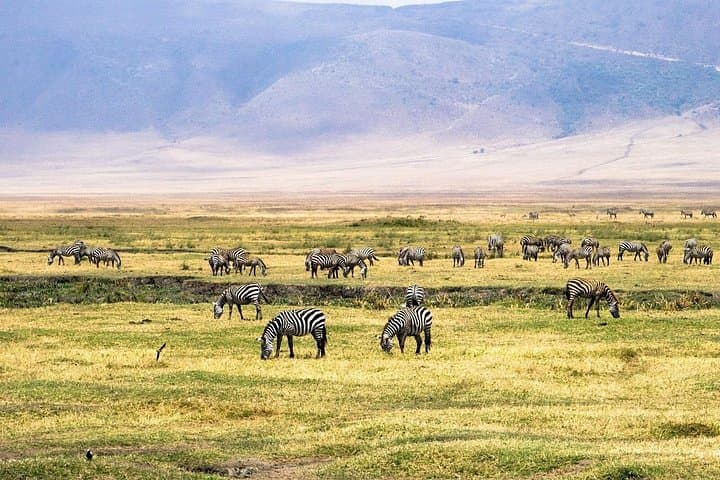
The engine settles and the road unfurls toward the rim: by afternoon the vehicle crests a high, grass-edged lip and the Ngorongoro Crater drops away like a wild, living bowl. Low clouds roll over the escarpment and the crater floor answers with a pocket of green plains, lakes that glint silver and pink bands of flamingos along alkaline shores.
Verified experiences and guided adventures in the surrounding area.
Operated by Intrepid Explorer Tanzania · Arusha, Arusha Region
The engine settles and the road unfurls toward the rim: by afternoon the vehicle crests a high, grass-edged lip and the Ngorongoro Crater drops away like a wild, living bowl. Low clouds roll over the escarpment and the crater floor answers with a pocket of green plains, lakes that glint silver and pink bands of flamingos along alkaline shores.
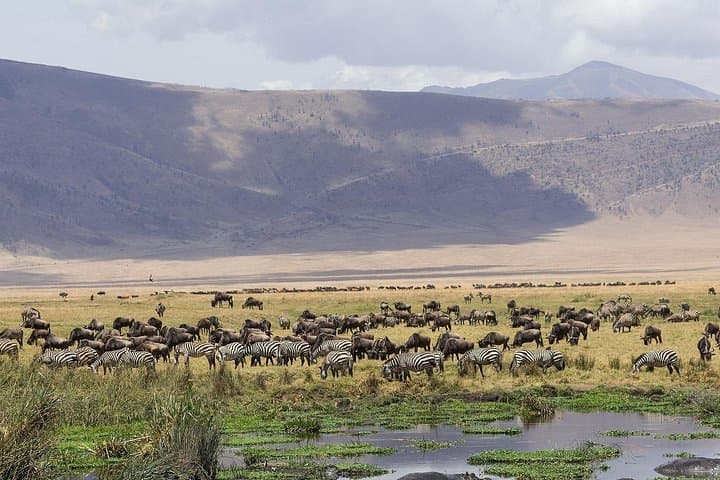
This compact itinerary pairs two distinct ecosystems. Ngorongoro is a collapsed volcanic caldera, a geological bowl carved by ancient eruptions and sustained today by permanent springs that feed hippo pools and grazing herds. Lake Manyara sits lower on the rift’s western flank — a shallow soda lake and a belt of groundwater-fed forest where elephants and the rare tree-climbing lions move through ochre light.
Both areas sit within landscapes long tended by Maasai pastoralists; cultural ties and colonial-era conservation decisions created the protected boundaries travelers follow now. Guides translate tracks and bird calls into practical clues: where lions staked territory last night, where flamingos gather in seasonal bloom.
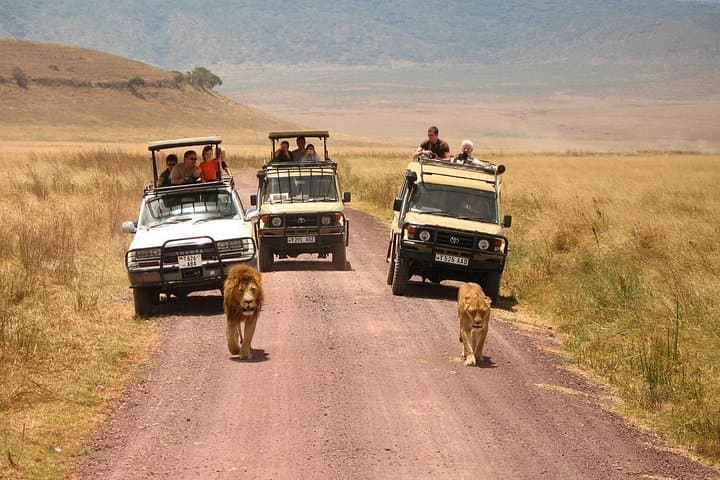
Practicalities are straightforward. Expect long windows of game viewing from a pop-up-roof safari vehicle, dusty tracks, and early starts to use cooler morning activity windows. Wear neutral tones, bring binoculars, and layer for chilly early mornings that warm quickly. Stay hydrated, listen to the guide for vehicle approach etiquette, and prioritize patience — predator sightings often reward slow, steady observation.
In two days you’ll sample the crater’s concentrated wildlife density and Manyara’s varied habitats: a short, intense safari that emphasizes smart timing, reliable logistics, and the kind of up-close animal encounters that define classic East African game drives.
easy.
2 days.
Suitable for most travelers with basic mobility — expect extended periods seated in a safari vehicle and occasional short walks at viewpoints.
Consult your doctor before travel — yellow fever proof may be required depending on origin, and malaria prophylaxis is commonly recommended for northern Tanzania.
This itinerary includes several hours of driving between Arusha, the Ngorongoro Conservation Area and Lake Manyara, with game drives of 3–5 hours each day inside parks.
Confirm with the operator — many packages include lodge accommodation, some park fees and meals, but certain conservation fees may be charged separately.
Yes — vehicles are pop-up-roof safari cars and the tour notes accessibility features; infants and some mobility needs can be accommodated with advance notice.
Ngorongoro Conservation Area is a UNESCO World Heritage Site created to balance Maasai pastoralism with wildlife protection; the crater itself is a volcanic caldera formed millions of years ago.
Visitors should respect park rules to limit disturbance; staying on designated routes and supporting local-guided services helps fund conservation and community projects.
Intrepid Explorer Tanzania operates guided outdoor trips and adventures with an emphasis on safety, stewardship, and memorable experiences.
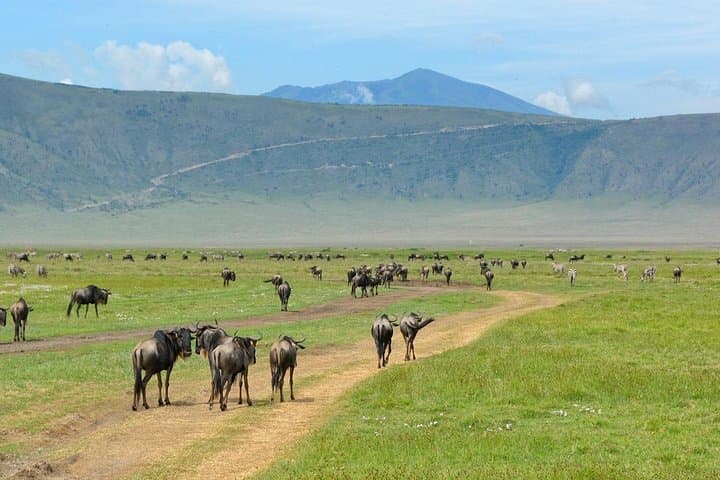
The engine settles and the road unfurls toward the rim: by afternoon the vehicle crests a high, grass-edged lip and the Ngorongoro Crater drops away like a wild, living bowl. Low clouds roll over the escarpment and the crater floor answers with a pocket of green plains, lakes that glint silver and pink bands of flamingos along alkaline shores.
The engine settles and the road unfurls toward the rim: by afternoon the vehicle crests a high, grass-edged lip and the Ngorongoro Crater drops away like a wild, living bowl. Low clouds roll over the escarpment and the crater floor answers with a pocket of green plains, lakes that glint silver and pink bands of flamingos along alkaline shores.
This compact itinerary pairs two distinct ecosystems. Ngorongoro is a collapsed volcanic caldera, a geological bowl carved by ancient eruptions and sustained today by permanent springs that feed hippo pools and grazing herds. Lake Manyara sits lower on the rift’s western flank — a shallow soda lake and a belt of groundwater-fed forest where elephants and the rare tree-climbing lions move through ochre light.
Both areas sit within landscapes long tended by Maasai pastoralists; cultural ties and colonial-era conservation decisions created the protected boundaries travelers follow now. Guides translate tracks and bird calls into practical clues: where lions staked territory last night, where flamingos gather in seasonal bloom.
Practicalities are straightforward. Expect long windows of game viewing from a pop-up-roof safari vehicle, dusty tracks, and early starts to use cooler morning activity windows. Wear neutral tones, bring binoculars, and layer for chilly early mornings that warm quickly. Stay hydrated, listen to the guide for vehicle approach etiquette, and prioritize patience — predator sightings often reward slow, steady observation.
In two days you’ll sample the crater’s concentrated wildlife density and Manyara’s varied habitats: a short, intense safari that emphasizes smart timing, reliable logistics, and the kind of up-close animal encounters that define classic East African game drives.