THE ADVENTURE COLLECTIVE® · Independent discovery and booking for outdoor travel

A compact two-day circuit from Lima that pairs the Ballestas’ marine life and Ica’s pisco bodegas with Huacachina’s towering dunes and a Nasca Lines overflight. Expect wildlife, sandboarding and a cultural snapshot of southern coastal Peru.
A compact two-day circuit from Lima that pairs the Ballestas’ marine life and Ica’s pisco bodegas with Huacachina’s towering dunes and a Nasca Lines overflight. Expect wildlife, sandboarding and a cultural snapshot of southern coastal Peru.
The bus eases out of Lima and the coast opens like a page of wind-scoured sand; gulls wheel over the highway as the Pacific hunches away to the west. By midmorning you’re on the choppy bow toward the Ballestas Islands, watching sea lions haul ashore and cormorants stitch the cliffs with dark shapes. Later, the desert rises—huge, sunbaked waves of sand around the small green bowl of Huacachina—where dune buggies carve tracks and sandboards hiss across slopes.
Verified experiences and guided adventures in the surrounding area.
Operated by Peru Travels Tour · Huacachina, Ica
The bus eases out of Lima and the coast opens like a page of wind-scoured sand; gulls wheel over the highway as the Pacific hunches away to the west. By midmorning you’re on the choppy bow toward the Ballestas Islands, watching sea lions haul ashore and cormorants stitch the cliffs with dark shapes. Later, the desert rises—huge, sunbaked waves of sand around the small green bowl of Huacachina—where dune buggies carve tracks and sandboards hiss across slopes.
This two-day route threads natural history and human craft: the Ballestas are a rich marine reserve shaped by the cold Humboldt Current; the vineyards around Ica are centuries-old centers of pisco production; and the Nasca Lines, etched into plateau clay between roughly 500 BCE and 500 CE, remain one of Peru’s most enigmatic archaeological signatures. Geology here is blunt and visible: wind-polished dunes, coastal upwelling that feeds abundant birdlife, and the flat, arid plain that preserved the geoglyphs.
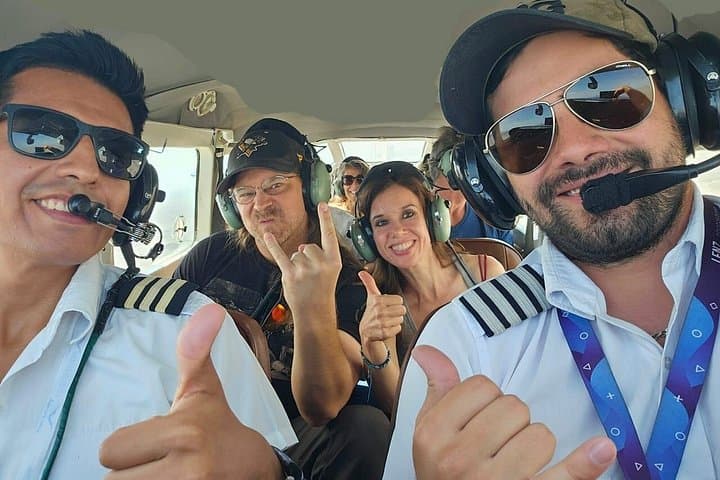
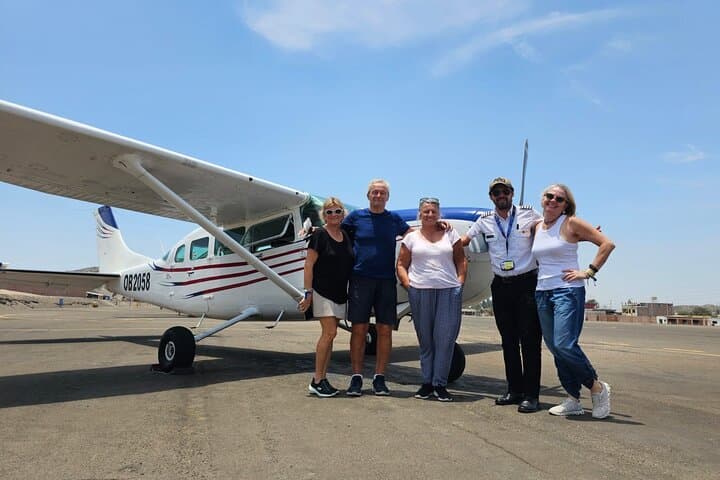
Expect active, sensory days—boat spray and salt air, the dry heat of the dunes, then the low hum of small aircraft as the Nazca figures resolve beneath the wings. Guides provide context at each stop and the overnight in Huacachina puts you at the edge of the action.
Practical tip: pack sun protection and a closed-toe shoe for sandboarding, bring cash for small purchases at market stops, and allow flexibility for the Nasca overflight—weather and wind affect scheduling. Arrive rested; the itinerary rewards curiosity and a basic level of mobility more than technical skill.
moderate.
2 days.
Light to moderate fitness; must be able to climb sand slopes, board briefly, and tolerate a few hours in transit.
The itinerary typically departs Lima early, with the first major stop in Paracas for the Ballestas boat tour, then Ica for vineyards and Huacachina for dunes; total ground time each way is about 3–4 hours depending on traffic.
Flights operate subject to weather and wind; operators often reschedule the morning window if conditions are marginal—allow flexibility or plan an overnight in Nasca to avoid missing the experience.
No—most operators provide brief instruction and basic gear; beginners can do short runs from seated positions before progressing to standing slides.
Yes—sea lions, various seabirds, and occasionally Humboldt penguins are commonly observed from the boat, though sightings depend on season and sea conditions.
The Nasca Lines were created by pre-Columbian cultures between about 500 BCE and 500 CE; Ica’s vineyards date from colonial-era haciendas that developed pisco production.
The Ballestas Islands and areas around Paracas are protected reserves—stick to boat and guide rules to avoid disturbing wildlife; overflight and site regulations aim to minimize impact on the fragile Nazca plateau.
Peru Travels Tour operates guided outdoor trips and adventures with an emphasis on safety, stewardship, and memorable experiences.

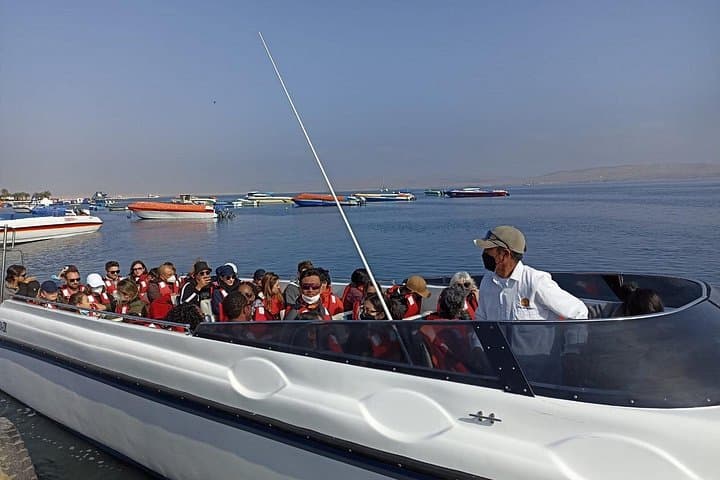
The bus eases out of Lima and the coast opens like a page of wind-scoured sand; gulls wheel over the highway as the Pacific hunches away to the west. By midmorning you’re on the choppy bow toward the Ballestas Islands, watching sea lions haul ashore and cormorants stitch the cliffs with dark shapes. Later, the desert rises—huge, sunbaked waves of sand around the small green bowl of Huacachina—where dune buggies carve tracks and sandboards hiss across slopes.
The bus eases out of Lima and the coast opens like a page of wind-scoured sand; gulls wheel over the highway as the Pacific hunches away to the west. By midmorning you’re on the choppy bow toward the Ballestas Islands, watching sea lions haul ashore and cormorants stitch the cliffs with dark shapes. Later, the desert rises—huge, sunbaked waves of sand around the small green bowl of Huacachina—where dune buggies carve tracks and sandboards hiss across slopes.
This two-day route threads natural history and human craft: the Ballestas are a rich marine reserve shaped by the cold Humboldt Current; the vineyards around Ica are centuries-old centers of pisco production; and the Nasca Lines, etched into plateau clay between roughly 500 BCE and 500 CE, remain one of Peru’s most enigmatic archaeological signatures. Geology here is blunt and visible: wind-polished dunes, coastal upwelling that feeds abundant birdlife, and the flat, arid plain that preserved the geoglyphs.
Expect active, sensory days—boat spray and salt air, the dry heat of the dunes, then the low hum of small aircraft as the Nazca figures resolve beneath the wings. Guides provide context at each stop and the overnight in Huacachina puts you at the edge of the action.
Practical tip: pack sun protection and a closed-toe shoe for sandboarding, bring cash for small purchases at market stops, and allow flexibility for the Nasca overflight—weather and wind affect scheduling. Arrive rested; the itinerary rewards curiosity and a basic level of mobility more than technical skill.