THE ADVENTURE COLLECTIVE® · Independent discovery and booking for outdoor travel

Spend two days among Lalibela’s extraordinary rock-hewn churches: early liturgies, carved stairways and highland views. This concise guide covers history, what to expect on-site, and practical tips to help plan your visit.
Spend two days among Lalibela’s extraordinary rock-hewn churches: early liturgies, carved stairways and highland views. This concise guide covers history, what to expect on-site, and practical tips to help plan your visit.
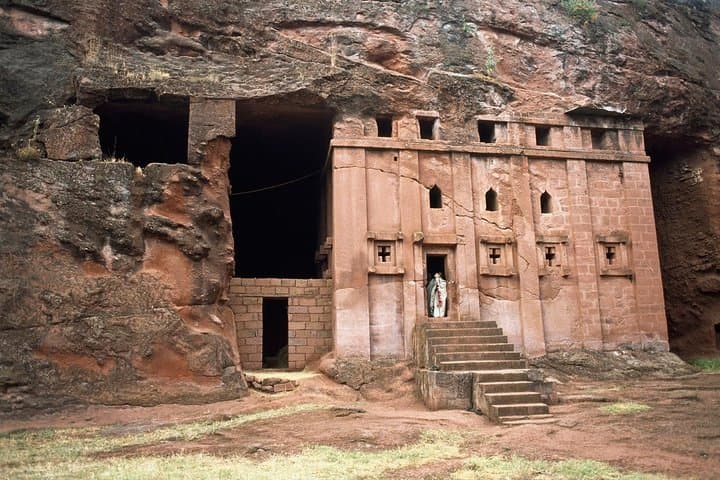
You arrive on a highland morning, airplane wheels kissing the dry plateau and the wind pushing you toward a town cut from the rock itself. Lalibela’s stone churches rise like rooms carved from a cliff, their eaves and staircases worn by centuries of pilgrimage. Light slides into sunken courtyards; incense and chant float from doorways as local worshippers move through ritual.
Verified experiences and guided adventures in the surrounding area.
Operated by One Love Ethiopia Tours & Car Rent · Lalibela, Amhara
You arrive on a highland morning, airplane wheels kissing the dry plateau and the wind pushing you toward a town cut from the rock itself. Lalibela’s stone churches rise like rooms carved from a cliff, their eaves and staircases worn by centuries of pilgrimage. Light slides into sunken courtyards; incense and chant float from doorways as local worshippers move through ritual.
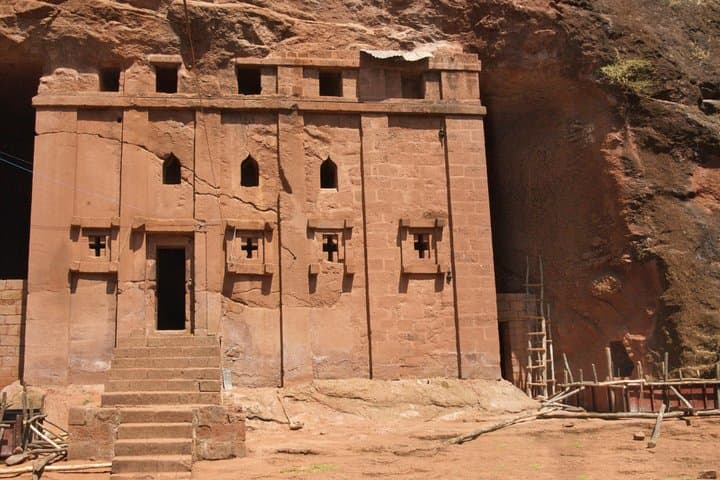
The sites date to the 12th century under King Lalibela, who directed craftsmen to hew whole churches from living rock as a new Jerusalem. The geology is volcanic tuff—soft enough for precise carving yet durable when sheltered—so each church reads as architecture and landscape in one. Cultural life remains active: services on weekends bring color and communal rhythm, and local guides explain the theology and symbolism carved into walls and crosses.
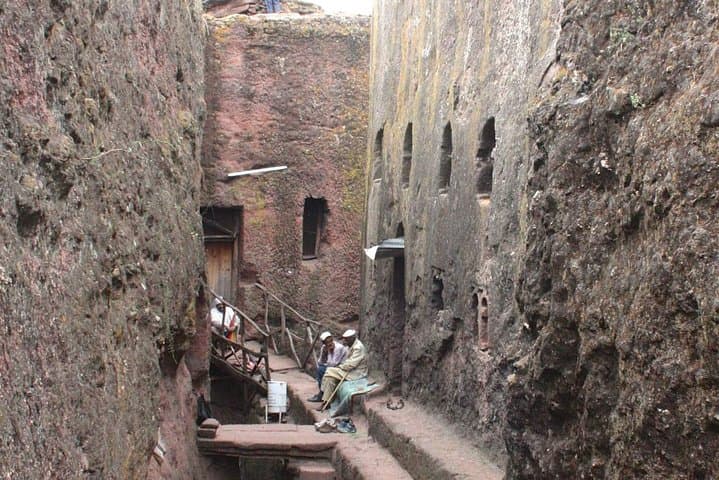
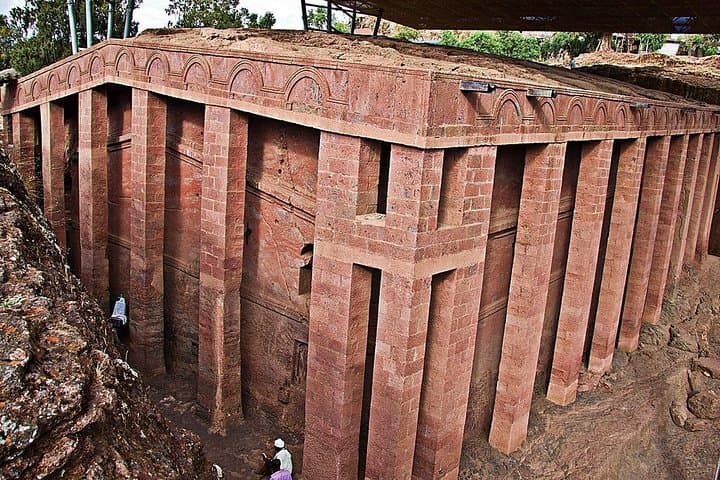
Expect narrow passageways, stepped descents, and uneven stone underfoot as you move between Northern, Western and Eastern groups. The program usually includes an early-morning liturgy visit, time to study Bete Giyorgis’s precise geometry, and a short drive to nearby viewpoints or a lodge for an overnight. Weather is highland-cool; mornings can bite and midday warms quickly.
Practical guidance: pack layers, sturdy shoes with good grip, sunscreen and water; plan travel time around the churches’ busiest worship hours if you want quieter photos. Respect dress norms—modest clothing—and follow your guide in sacred spaces. With modest exertion you’ll leave having walked through living history and a landscape that still shapes daily devotion.
moderate.
2 days (total; ~8–10 hours on-foot activity).
Light to moderate fitness; comfortable walking and negotiating stairs for several hours
Yes—entry and guide fees are typically included by tour operators; confirm at booking and keep your receipt on-site.
Yes, visitors may observe services respectfully; follow your guide’s direction, remain quiet, and ask before photographing people.
Many sites have stepped access and narrow passages; some areas are difficult for wheelchairs—contact the operator about specific accommodations.
Standard travel vaccinations are advised; also be prepared for highland altitude (rest, hydrate) and consult your physician for personalized advice.
Commissioned by King Lalibela in the 12th century, the complex was intended as a New Jerusalem and remains a focal point of Ethiopian Orthodox worship.
Visitor numbers stress fragile interiors and soils—stick to paths, avoid touching frescoes, and support local guides to keep revenue in the community.
One Love Ethiopia Tours & Car Rent operates guided outdoor trips and adventures with an emphasis on safety, stewardship, and memorable experiences.
You arrive on a highland morning, airplane wheels kissing the dry plateau and the wind pushing you toward a town cut from the rock itself. Lalibela’s stone churches rise like rooms carved from a cliff, their eaves and staircases worn by centuries of pilgrimage. Light slides into sunken courtyards; incense and chant float from doorways as local worshippers move through ritual.
You arrive on a highland morning, airplane wheels kissing the dry plateau and the wind pushing you toward a town cut from the rock itself. Lalibela’s stone churches rise like rooms carved from a cliff, their eaves and staircases worn by centuries of pilgrimage. Light slides into sunken courtyards; incense and chant float from doorways as local worshippers move through ritual.
The sites date to the 12th century under King Lalibela, who directed craftsmen to hew whole churches from living rock as a new Jerusalem. The geology is volcanic tuff—soft enough for precise carving yet durable when sheltered—so each church reads as architecture and landscape in one. Cultural life remains active: services on weekends bring color and communal rhythm, and local guides explain the theology and symbolism carved into walls and crosses.
Expect narrow passageways, stepped descents, and uneven stone underfoot as you move between Northern, Western and Eastern groups. The program usually includes an early-morning liturgy visit, time to study Bete Giyorgis’s precise geometry, and a short drive to nearby viewpoints or a lodge for an overnight. Weather is highland-cool; mornings can bite and midday warms quickly.
Practical guidance: pack layers, sturdy shoes with good grip, sunscreen and water; plan travel time around the churches’ busiest worship hours if you want quieter photos. Respect dress norms—modest clothing—and follow your guide in sacred spaces. With modest exertion you’ll leave having walked through living history and a landscape that still shapes daily devotion.