THE ADVENTURE COLLECTIVE® · Independent discovery and booking for outdoor travel

Spend two days on Lake Titicaca visiting Uros, Taquile and an authentic homestay on Luquina Island. Expect reed islands, high-altitude conditions and hands-on cultural experiences with local families.
Spend two days on Lake Titicaca visiting Uros, Taquile and an authentic homestay on Luquina Island. Expect reed islands, high-altitude conditions and hands-on cultural experiences with local families.
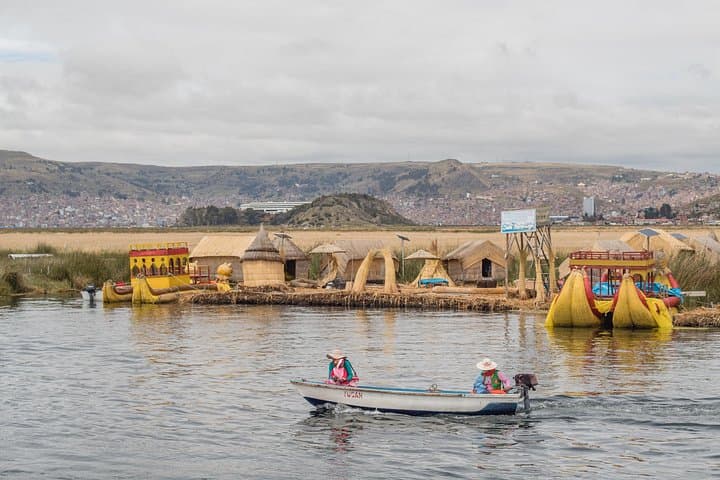
You step from Puno's port into a thin, high-altitude air and the lake answers with a wide, chilling breath. The motorboat cuts across mirror-like water; reed islands bob like living platforms and the Cordillera Real pins the skyline with serrated snow. By late afternoon you are walking up to a simple house on Luquina where a family waits with hot soup and stories.
Verified experiences and guided adventures in the surrounding area.
Operated by FLY CUSCO Perú Travel Agency · Puno, Puno
You step from Puno's port into a thin, high-altitude air and the lake answers with a wide, chilling breath. The motorboat cuts across mirror-like water; reed islands bob like living platforms and the Cordillera Real pins the skyline with serrated snow. By late afternoon you are walking up to a simple house on Luquina where a family waits with hot soup and stories.
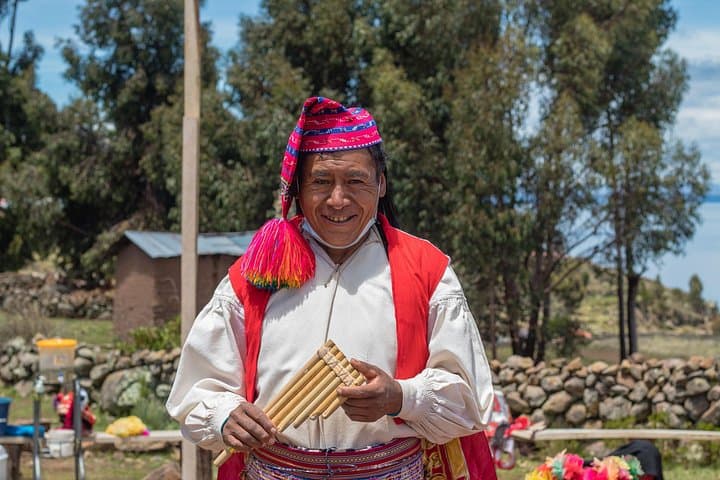
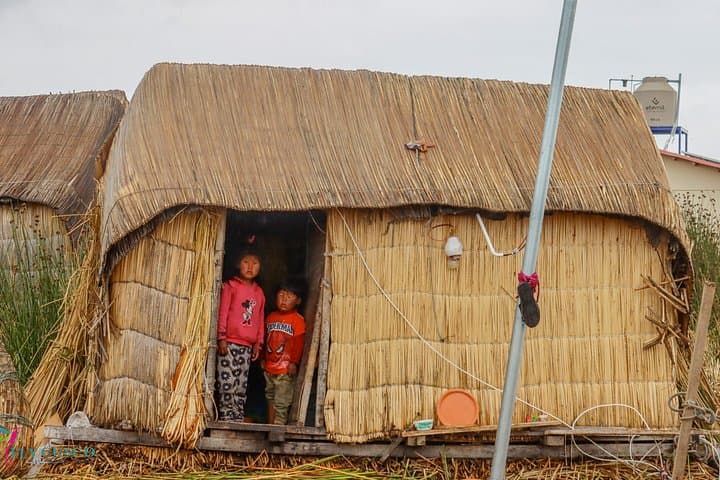
Lake Titicaca sits at about 3,812 m, the world’s highest navigable lake, carved from ancient uplift and glacial activity that left broad basins and dramatic shorelines. The Uros floating islands are human-made totora reed mats, engineered generations ago as a defensive, mobile solution — their maintenance is constant and visible in every bundled reed. Taquile is a terraced island of stone paths and textile traditions, where weaving rules timekeeping and communal labor still governs daily life.
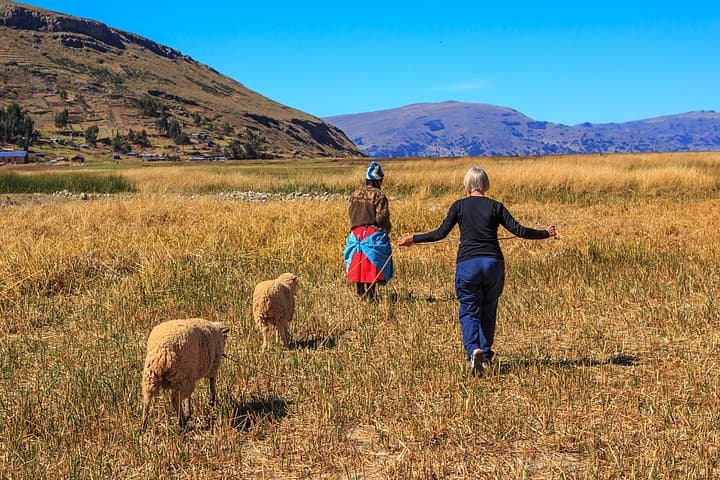
Culturally this tour is equal parts landscape and people: expect crisp lectures about colonial history, Inca-era ties, and present-day Indigenous governance, alongside hands-on experiences — milking cattle, herding, or learning to weave coarse wool. The geography demands respect: cold nights, strong sun, and thin air.
Practical guidance: pack warm layers, sun protection, and water for altitude. Boat rides are exposed; keep a windproof shell and secure cameras. Comfortable, broken-in hiking shoes handle stone paths on Taquile. The host-family stay is basic: bring modest gifts (sweets, school supplies) if you want to reciprocate. Plan at least 48 hours to acclimate in Puno before departure and carry cash for small island purchases.
moderate.
2 days.
Moderate fitness and the ability to walk uneven stone and reed surfaces for several hours; comfortable with short hikes and stairs.
Boat legs vary: Uros is typically 30–60 minutes from Puno, while Taquile and Luquina require additional crossings; plan several hours of travel across the two days.
The experience is a home visit with a local family; accommodation is basic and communal — not a private hotel room.
No special vaccinations are mandatory for Lake Titicaca, but bring altitude medications if you are sensitive and consult your doctor before travel.
Yes — basic breakfast, lunch and dinner are provided as per the itinerary, using local ingredients and family-prepared dishes.
The lake basin has been inhabited for millennia; Uros people constructed reed islands as a defensive, mobile living solution centuries before modern borders.
Reed harvesting and tourism put pressure on fragile island foundations; support local cooperatives and avoid single-use plastics to reduce impact.
FLY CUSCO Perú Travel Agency operates guided outdoor trips and adventures with an emphasis on safety, stewardship, and memorable experiences.
You step from Puno's port into a thin, high-altitude air and the lake answers with a wide, chilling breath. The motorboat cuts across mirror-like water; reed islands bob like living platforms and the Cordillera Real pins the skyline with serrated snow. By late afternoon you are walking up to a simple house on Luquina where a family waits with hot soup and stories.
You step from Puno's port into a thin, high-altitude air and the lake answers with a wide, chilling breath. The motorboat cuts across mirror-like water; reed islands bob like living platforms and the Cordillera Real pins the skyline with serrated snow. By late afternoon you are walking up to a simple house on Luquina where a family waits with hot soup and stories.
Lake Titicaca sits at about 3,812 m, the world’s highest navigable lake, carved from ancient uplift and glacial activity that left broad basins and dramatic shorelines. The Uros floating islands are human-made totora reed mats, engineered generations ago as a defensive, mobile solution — their maintenance is constant and visible in every bundled reed. Taquile is a terraced island of stone paths and textile traditions, where weaving rules timekeeping and communal labor still governs daily life.
Culturally this tour is equal parts landscape and people: expect crisp lectures about colonial history, Inca-era ties, and present-day Indigenous governance, alongside hands-on experiences — milking cattle, herding, or learning to weave coarse wool. The geography demands respect: cold nights, strong sun, and thin air.
Practical guidance: pack warm layers, sun protection, and water for altitude. Boat rides are exposed; keep a windproof shell and secure cameras. Comfortable, broken-in hiking shoes handle stone paths on Taquile. The host-family stay is basic: bring modest gifts (sweets, school supplies) if you want to reciprocate. Plan at least 48 hours to acclimate in Puno before departure and carry cash for small island purchases.