THE ADVENTURE COLLECTIVE® · Independent discovery and booking for outdoor travel

Drive the Georgian Military Highway from Tbilisi to the high ridges of Kazbegi: visit Zhinvali Reservoir, Ananuri fortress, alpine Gudauri, and the Gergeti Trinity Church above Stepantsminda. This two-day loop combines cultural sites and high-mountain panoramas with short hikes and 4x4 access.
Drive the Georgian Military Highway from Tbilisi to the high ridges of Kazbegi: visit Zhinvali Reservoir, Ananuri fortress, alpine Gudauri, and the Gergeti Trinity Church above Stepantsminda. This two-day loop combines cultural sites and high-mountain panoramas with short hikes and 4x4 access.
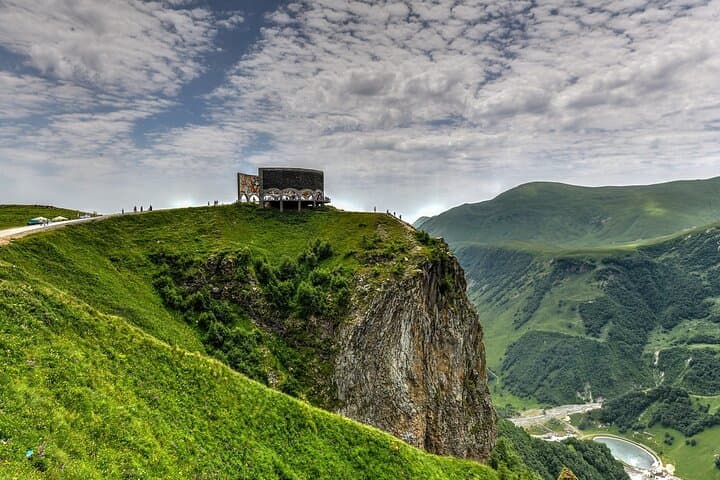
You leave Tbilisi before dawn and the highway peels away into cleft valleys: the Aragvi River hurries like a thought downhill, cliffs narrows, and the Zhinvali reservoir spreads a sudden sheet of steel-blue. Ananuri’s stone walls loom above the river—towers and carved crosses that mark centuries of borderkeeping—then the road climbs to alpine plateaus where Gudauri opens like a shoulder to the high range.
Verified experiences and guided adventures in the surrounding area.
Operated by We Are Georgia Tours · Stepantsminda, Mtskheta-Mtianeti
You leave Tbilisi before dawn and the highway peels away into cleft valleys: the Aragvi River hurries like a thought downhill, cliffs narrows, and the Zhinvali reservoir spreads a sudden sheet of steel-blue. Ananuri’s stone walls loom above the river—towers and carved crosses that mark centuries of borderkeeping—then the road climbs to alpine plateaus where Gudauri opens like a shoulder to the high range.
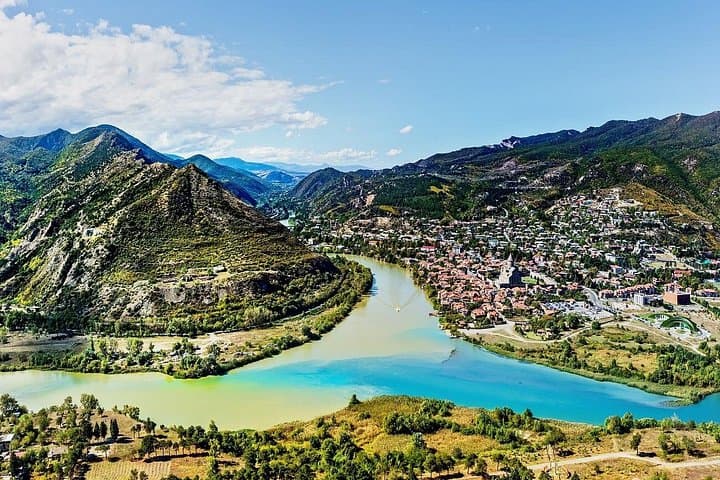
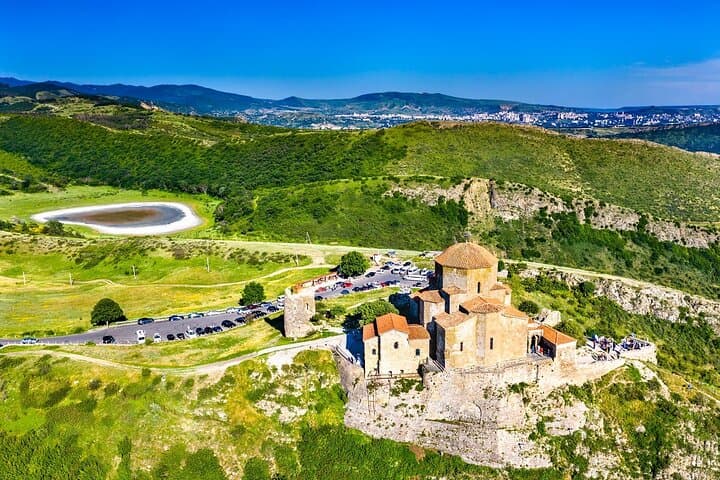
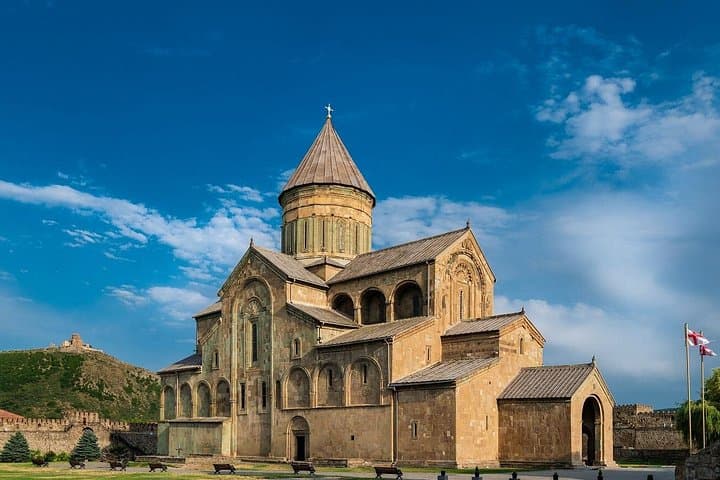
The Caucasus are a young, tectonic spine: granite and volcanic intrusions pushed up in jagged ridgelines, glaciers still carving hollows around Mount Kazbek (5,033 m) to the north. On day two you’ll reach Gergeti Trinity Church at roughly 2,170 m; the little stone church perches above Stepantsminda, a human foothold against wind and snow. Mtskheta and Jvari to the south recall Georgia’s medieval past and Orthodox Christian heritage.
Expect mostly paved driving on the Georgian Military Highway, short gravel sections, and an optional 3–4 km hike or a 4x4 transfer to the Gergeti plateau. Temperatures swing fast with elevation—sun can feel warm while wind cuts through layers.
Practical: pack layered clothing, a reliable daypack, and local currency for small purchases. Allow time for photo stops, simple local meals in Pasanauri and Mtskheta, and an optional paragliding window in Gudauri if conditions allow. Altitude is moderate but can affect breathing; move deliberately, hydrate, and plan for variable weather. This two-day loop balances cultural sites, high-mountain panoramas, and easy alpine walks—ideal for travelers who want big views with practical logistics handled.
moderate.
2 days.
Suitable for travelers with regular activity levels; expect short hikes of 1–2 hours or transfers by 4x4 if you prefer less walking.
Not necessarily—many operators include a 4x4 transfer, but you can also hike ~3–4 km with ~300 m elevation gain from town.
Yes; the itinerary is paced with driving between sites and short walks, but consider mobility limits for rough sections and higher-altitude effects.
The Georgian lari (GEL) is used locally; Georgian is the primary language, but guides and tourism staff often speak English and Russian.
Yes—paragliding and winter sports are offered in Gudauri seasonally; bring extra time and budget if you want to add them, and check weather conditions.
The Georgian Military Highway has linked the south and north for centuries; Ananuri and Mtskheta reflect Georgia’s strategic and religious past dating back to medieval kingdoms.
Visitors should stick to marked paths, avoid disturbing alpine vegetation, and carry out waste; this region is sensitive to erosion and seasonal herd movements.
We Are Georgia Tours operates guided outdoor trips and adventures with an emphasis on safety, stewardship, and memorable experiences.
You leave Tbilisi before dawn and the highway peels away into cleft valleys: the Aragvi River hurries like a thought downhill, cliffs narrows, and the Zhinvali reservoir spreads a sudden sheet of steel-blue. Ananuri’s stone walls loom above the river—towers and carved crosses that mark centuries of borderkeeping—then the road climbs to alpine plateaus where Gudauri opens like a shoulder to the high range.
You leave Tbilisi before dawn and the highway peels away into cleft valleys: the Aragvi River hurries like a thought downhill, cliffs narrows, and the Zhinvali reservoir spreads a sudden sheet of steel-blue. Ananuri’s stone walls loom above the river—towers and carved crosses that mark centuries of borderkeeping—then the road climbs to alpine plateaus where Gudauri opens like a shoulder to the high range.
The Caucasus are a young, tectonic spine: granite and volcanic intrusions pushed up in jagged ridgelines, glaciers still carving hollows around Mount Kazbek (5,033 m) to the north. On day two you’ll reach Gergeti Trinity Church at roughly 2,170 m; the little stone church perches above Stepantsminda, a human foothold against wind and snow. Mtskheta and Jvari to the south recall Georgia’s medieval past and Orthodox Christian heritage.
Expect mostly paved driving on the Georgian Military Highway, short gravel sections, and an optional 3–4 km hike or a 4x4 transfer to the Gergeti plateau. Temperatures swing fast with elevation—sun can feel warm while wind cuts through layers.
Practical: pack layered clothing, a reliable daypack, and local currency for small purchases. Allow time for photo stops, simple local meals in Pasanauri and Mtskheta, and an optional paragliding window in Gudauri if conditions allow. Altitude is moderate but can affect breathing; move deliberately, hydrate, and plan for variable weather. This two-day loop balances cultural sites, high-mountain panoramas, and easy alpine walks—ideal for travelers who want big views with practical logistics handled.