THE ADVENTURE COLLECTIVE® · Independent discovery and booking for outdoor travel

Cover Jerusalem’s Old City and Bethlehem’s Church of the Nativity, then fly south for a full-day visit to Petra’s Treasury. This compact 48-hour experience pairs intense walking with major historical sights—prepare for early starts, border formalities, and lots of stone.
Cover Jerusalem’s Old City and Bethlehem’s Church of the Nativity, then fly south for a full-day visit to Petra’s Treasury. This compact 48-hour experience pairs intense walking with major historical sights—prepare for early starts, border formalities, and lots of stone.
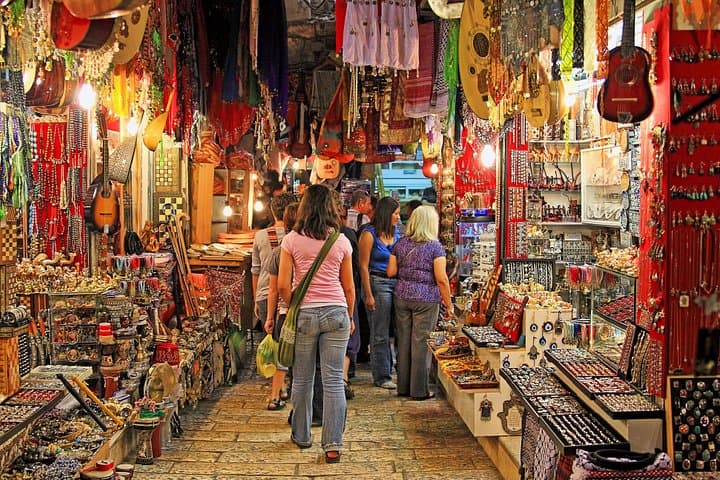
Morning light filters through the narrow Siq as sandstone walls press close and the Treasury slowly reveals itself—a cinematic first breath of Petra after an early flight from Israel. The day before, the Old City of Jerusalem unfurls at a different tempo: pilgrims at the Western Wall, merchants calling through the souks, and the Mount of Olives watching over stone roofs.
Verified experiences and guided adventures in the surrounding area.
Operated by Booking-tours.com · Jerusalem, Jerusalem District
Morning light filters through the narrow Siq as sandstone walls press close and the Treasury slowly reveals itself—a cinematic first breath of Petra after an early flight from Israel. The day before, the Old City of Jerusalem unfurls at a different tempo: pilgrims at the Western Wall, merchants calling through the souks, and the Mount of Olives watching over stone roofs.
This two-day run stitches together three layers of history: Jerusalem’s millennia of Jewish, Christian and Islamic heritage; Bethlehem’s Church of the Nativity with its 6th-century mosaic floor; and Petra, the Nabatean capital carved into red and pink sandstone. Geology shapes the story—Jerusalem’s limestone terraces and Petra’s stratified sandstone facades—while local customs, from church processions to border formalities, mark the human landscape.
Expect a full itinerary: a guided walking tour through the Old City (several kilometers of uneven pavements and stairs, elevation around 750–800 m), then an early domestic flight and a cross-border transfer to Petra. In Petra, the Siq is about 1.2 km to the Treasury; reaching the Monastery involves a climb of roughly 700–800 steps. Practical notes: carry your passport with at least three months’ validity, budget for a $65 departure tax, and prepare for long walking days with sun exposure.
Plan for early wake-ups, comfortable shoes, layered clothing for temperature swings, and a small reserve of local currency for tips and border fees. The rhythm is brisk but richly rewarding—two countries, three sacred sites, in 48 hours.
moderate.
48 hours (2 days).
Basic to moderate fitness—able to walk several kilometers across uneven stone and climb stairs repeatedly.
The tour handles transfers and guidance at border formalities, but travelers are responsible for visas and the process may require passport checks and waiting times.
Day one involves several kilometers in Jerusalem’s Old City with stairs and cobbles; Petra includes a 1.2 km Siq and optional climbs (up to ~800 steps to the Monastery) for extensive exploration.
Yes—internal flights and one night in a 3* hotel on bed-and-breakfast are included, per the tour inclusions.
Budget for a $65 per person departure tax, visa fees if required, tips (baksheesh) and occasional local transport costs not covered by the tour.
Jerusalem layers millennia of religious and political history; Petra was the Nabatean capital and a crossroads of caravan trade carved into sandstone cliffs.
High visitor numbers strain Petra’s sandstone facades and local water supplies—stick to marked paths, avoid touching fragile carvings, and minimize plastic waste.
Booking-tours.com operates guided outdoor trips and adventures with an emphasis on safety, stewardship, and memorable experiences.

Morning light filters through the narrow Siq as sandstone walls press close and the Treasury slowly reveals itself—a cinematic first breath of Petra after an early flight from Israel. The day before, the Old City of Jerusalem unfurls at a different tempo: pilgrims at the Western Wall, merchants calling through the souks, and the Mount of Olives watching over stone roofs.
Morning light filters through the narrow Siq as sandstone walls press close and the Treasury slowly reveals itself—a cinematic first breath of Petra after an early flight from Israel. The day before, the Old City of Jerusalem unfurls at a different tempo: pilgrims at the Western Wall, merchants calling through the souks, and the Mount of Olives watching over stone roofs.
This two-day run stitches together three layers of history: Jerusalem’s millennia of Jewish, Christian and Islamic heritage; Bethlehem’s Church of the Nativity with its 6th-century mosaic floor; and Petra, the Nabatean capital carved into red and pink sandstone. Geology shapes the story—Jerusalem’s limestone terraces and Petra’s stratified sandstone facades—while local customs, from church processions to border formalities, mark the human landscape.
Expect a full itinerary: a guided walking tour through the Old City (several kilometers of uneven pavements and stairs, elevation around 750–800 m), then an early domestic flight and a cross-border transfer to Petra. In Petra, the Siq is about 1.2 km to the Treasury; reaching the Monastery involves a climb of roughly 700–800 steps. Practical notes: carry your passport with at least three months’ validity, budget for a $65 departure tax, and prepare for long walking days with sun exposure.
Plan for early wake-ups, comfortable shoes, layered clothing for temperature swings, and a small reserve of local currency for tips and border fees. The rhythm is brisk but richly rewarding—two countries, three sacred sites, in 48 hours.