THE ADVENTURE COLLECTIVE® · Independent discovery and booking for outdoor travel

See Jaipur’s royal architecture one day and chase tiger tracks the next. This two-day itinerary pairs palace-filled streets with guided safaris in Ranthambore National Park, offering culture and wildlife in a compact schedule.
See Jaipur’s royal architecture one day and chase tiger tracks the next. This two-day itinerary pairs palace-filled streets with guided safaris in Ranthambore National Park, offering culture and wildlife in a compact schedule.
You step from a cool, air-conditioned car onto the broad pink stone promenade of Jaipur as the city hums around Hawa Mahal’s honeycombed façade. The first day moves at a measured pace through courtyards, observatories and stepwells — ornate thresholds to Rajasthani history — before an early morning drive east breaks into scrub forest and cracked granite where Ranthambore waits.
Verified experiences and guided adventures in the surrounding area.
Operated by Rajasthan India Tour Driver · Jaipur, Rajasthan
You step from a cool, air-conditioned car onto the broad pink stone promenade of Jaipur as the city hums around Hawa Mahal’s honeycombed façade. The first day moves at a measured pace through courtyards, observatories and stepwells — ornate thresholds to Rajasthani history — before an early morning drive east breaks into scrub forest and cracked granite where Ranthambore waits.
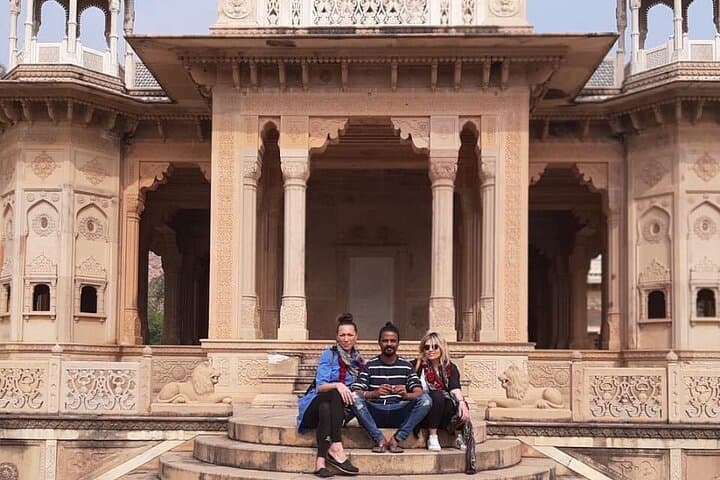
Jaipur, founded in 1727 by Maharaja Sawai Jai Singh II, wears Mughal and Rajput architecture; its palaces and Jantar Mantar observatory speak to royal ambition and astronomical calculation. Ranthambore’s landscape is older: Vindhya–Aravalli outcrops and seasonal lakes that shaped a medieval fort now hemmed by thorny scrub and sal forests.
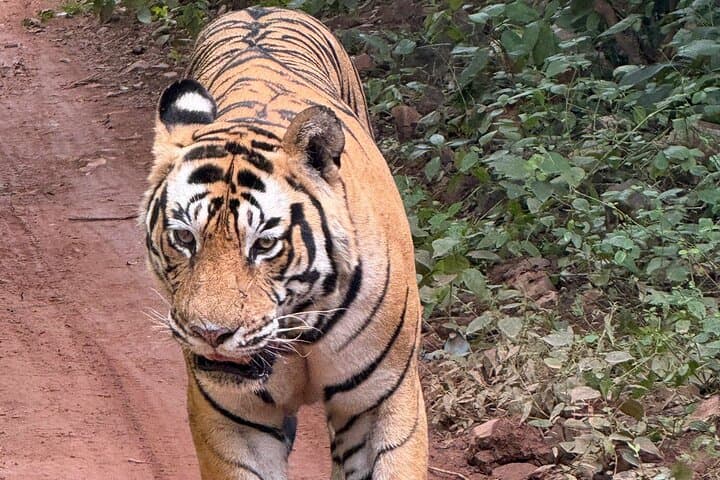
Day one is city culture and easy walks — City Palace, Albert Hall, Panna Meena stepwell and the lakeside Jal Mahal — all compact and photo-friendly. Day two is a wildlife sprint: a 3–4 hour drive (≈180 km) to Sawai Madhopur, followed by guided safaris in open jeeps or canters across dusty tracks, shallow ravines and riverine pools where Bengal tigers, sloth bears and marsh crocodiles may appear.
Practical edge: expect early departures, bumpy park roads and strict park rules; sightings aren’t guaranteed. Hydrate, wear sun protection and carry binoculars. Guides read animal signs and park permits are required — your operator handles paperwork and pickups from Jaipur. The two-day format compresses culture and wildlife into an intense but manageable itinerary for travelers short on time.
moderate.
2 days.
Moderate fitness: able to walk 1–2 hours over uneven surfaces and tolerate heat and bumpy vehicle rides.
The drive is roughly 3–4 hours each way, about 180 km, depending on traffic and road conditions.
No — sightings depend on animal movement and conditions; guides increase chances but cannot promise a sighting.
Yes for families, but expect early starts and bumpy rides; infants must sit on laps and moderate fitness is required.
Valid photo ID is required for all visitors; your operator typically arranges safari permits and will request passport/ID details when booking.
Jaipur was planned and founded by Maharaja Sawai Jai Singh II in 1727 and became a center of Rajput architecture; Ranthambore was a strategic fort and later designated a national park to protect its tiger population.
Ranthambore is integral to India’s Project Tiger efforts; visitors should minimize noise, stay on designated roads and follow guides to reduce disturbance.
Rajasthan India Tour Driver operates guided outdoor trips and adventures with an emphasis on safety, stewardship, and memorable experiences.
You step from a cool, air-conditioned car onto the broad pink stone promenade of Jaipur as the city hums around Hawa Mahal’s honeycombed façade. The first day moves at a measured pace through courtyards, observatories and stepwells — ornate thresholds to Rajasthani history — before an early morning drive east breaks into scrub forest and cracked granite where Ranthambore waits.
You step from a cool, air-conditioned car onto the broad pink stone promenade of Jaipur as the city hums around Hawa Mahal’s honeycombed façade. The first day moves at a measured pace through courtyards, observatories and stepwells — ornate thresholds to Rajasthani history — before an early morning drive east breaks into scrub forest and cracked granite where Ranthambore waits.
Jaipur, founded in 1727 by Maharaja Sawai Jai Singh II, wears Mughal and Rajput architecture; its palaces and Jantar Mantar observatory speak to royal ambition and astronomical calculation. Ranthambore’s landscape is older: Vindhya–Aravalli outcrops and seasonal lakes that shaped a medieval fort now hemmed by thorny scrub and sal forests.
Day one is city culture and easy walks — City Palace, Albert Hall, Panna Meena stepwell and the lakeside Jal Mahal — all compact and photo-friendly. Day two is a wildlife sprint: a 3–4 hour drive (≈180 km) to Sawai Madhopur, followed by guided safaris in open jeeps or canters across dusty tracks, shallow ravines and riverine pools where Bengal tigers, sloth bears and marsh crocodiles may appear.
Practical edge: expect early departures, bumpy park roads and strict park rules; sightings aren’t guaranteed. Hydrate, wear sun protection and carry binoculars. Guides read animal signs and park permits are required — your operator handles paperwork and pickups from Jaipur. The two-day format compresses culture and wildlife into an intense but manageable itinerary for travelers short on time.