THE ADVENTURE COLLECTIVE® · Independent discovery and booking for outdoor travel

Cover Israel’s northern highlights in two focused days: Roman ports, Crusader tunnels, the Baha’i terraces and Galilean holy sites, with an overnight in a local kibbutz. A practical, walk-forward itinerary that pairs coastal geology with layered history.
Cover Israel’s northern highlights in two focused days: Roman ports, Crusader tunnels, the Baha’i terraces and Galilean holy sites, with an overnight in a local kibbutz. A practical, walk-forward itinerary that pairs coastal geology with layered history.
You step out of Jerusalem's morning hush into a bus that rolls northwest, the city’s stone haze shrinking behind you as the Mediterranean light widens.
Verified experiences and guided adventures in the surrounding area.
Operated by Bein Harim Ltd · Jerusalem, Jerusalem District
You step out of Jerusalem's morning hush into a bus that rolls northwest, the city’s stone haze shrinking behind you as the Mediterranean light widens.
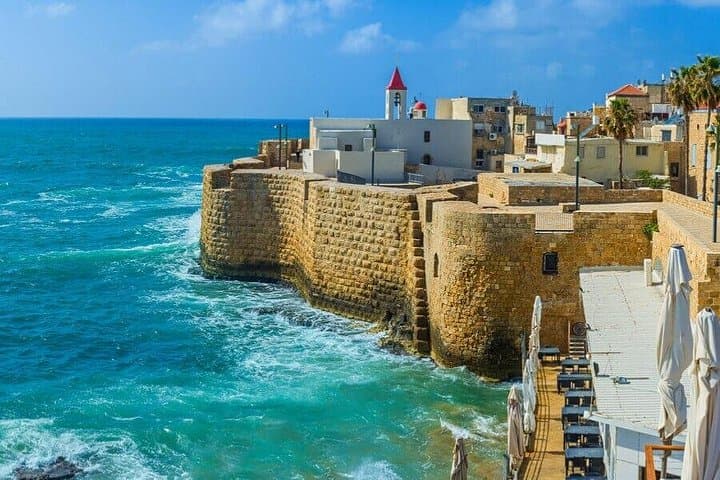
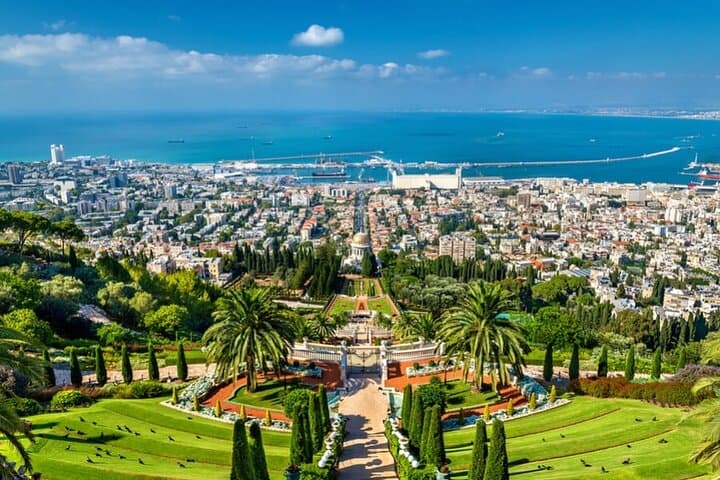
Day one threads Roman harbor ruins and Crusader alleys: Caesarea's paved roads and 1st-century amphitheater lay open to wind and surf; Acre's underground citadel tunnels pull the past into claustrophobic focus. Higher, the Baha'i terraces in Haifa present formal gardens that direct the eye down to a glittering bay, while the cable car at Rosh Hanikra lowers you into chalky grottos where Atlantic waves have worn sea caverns into blue-green hollows.
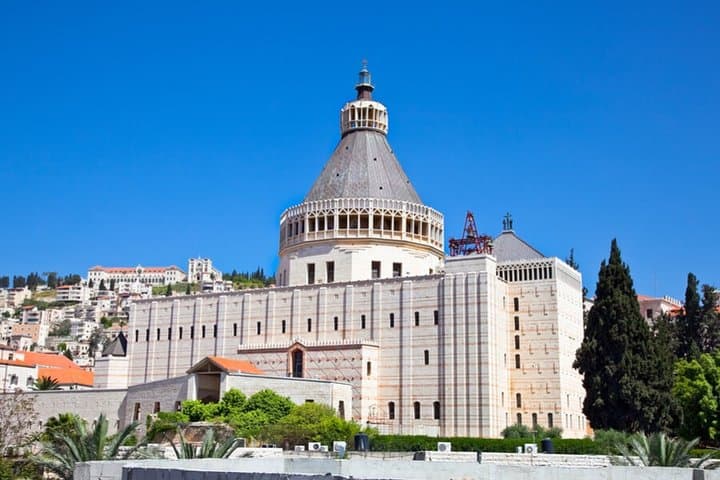
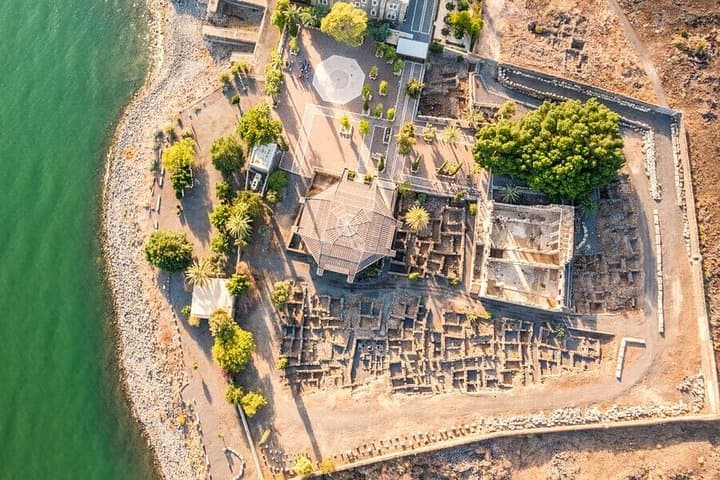
The second day turns inland to Galilee. Nazareth's market and the Church of the Annunciation are active layers of faith and everyday life, then Capernaum's synagogue ruins and the Sea of Galilee shoreline offer low-slung horizons tied to biblical lands. An overnight in a family-run kibbutz gives a straightforward local base—simple rooms, shared meals, a quiet night to process two packed days.
Geology here is coastal limestone, later uplift and human stratification; culture alternates between mosaic of faiths and modern Israeli life. Expect a fair amount of walking on uneven stone and some short transfers between sites.
Practical guidance: wear sturdy, closed shoes for archaeological sites, modest clothing for holy sites, and bring a refillable water bottle and sun protection. Early departures and flexible itinerary order are common—pack light, charge devices, and leave room in your day for snacks and short, contemplative pauses at viewpoints.
moderate.
2 days.
Suitable for travelers in average shape who can handle multiple short walks, standing, and boarding a coach; minimal uphill walking.
The tour departs from Jerusalem with hotel pickup and drop-off; exact pickup point is confirmed at booking.
This tour is not suitable for children under 4; older children are permitted but expect long days and walking.
Breakfast and one overnight accommodation in a Galilee guesthouse or kibbutz are included; other meals are generally at your own expense unless specified.
Yes — passport details are required at booking and you should carry your passport on the trip for identification and any site entry checks.
This route crosses Roman, Byzantine and Crusader layers: Caesarea’s harbor was built by Herod the Great and Acre was a Crusader stronghold with extensive subterranean structures.
Sites are sensitive to foot traffic—stick to marked paths and avoid touching mosaics or ruins; local operators aim to minimize waste and support community-run accommodation.
Bein Harim Ltd operates guided outdoor trips and adventures with an emphasis on safety, stewardship, and memorable experiences.
You step out of Jerusalem's morning hush into a bus that rolls northwest, the city’s stone haze shrinking behind you as the Mediterranean light widens.
You step out of Jerusalem's morning hush into a bus that rolls northwest, the city’s stone haze shrinking behind you as the Mediterranean light widens.
Day one threads Roman harbor ruins and Crusader alleys: Caesarea's paved roads and 1st-century amphitheater lay open to wind and surf; Acre's underground citadel tunnels pull the past into claustrophobic focus. Higher, the Baha'i terraces in Haifa present formal gardens that direct the eye down to a glittering bay, while the cable car at Rosh Hanikra lowers you into chalky grottos where Atlantic waves have worn sea caverns into blue-green hollows.
The second day turns inland to Galilee. Nazareth's market and the Church of the Annunciation are active layers of faith and everyday life, then Capernaum's synagogue ruins and the Sea of Galilee shoreline offer low-slung horizons tied to biblical lands. An overnight in a family-run kibbutz gives a straightforward local base—simple rooms, shared meals, a quiet night to process two packed days.
Geology here is coastal limestone, later uplift and human stratification; culture alternates between mosaic of faiths and modern Israeli life. Expect a fair amount of walking on uneven stone and some short transfers between sites.
Practical guidance: wear sturdy, closed shoes for archaeological sites, modest clothing for holy sites, and bring a refillable water bottle and sun protection. Early departures and flexible itinerary order are common—pack light, charge devices, and leave room in your day for snacks and short, contemplative pauses at viewpoints.