THE ADVENTURE COLLECTIVE® · Independent discovery and booking for outdoor travel

Pair a relaxed catamaran day to Isla Mujeres with a full visit to Chichén Itzá and a refreshing cenote swim. This two-day combination delivers beachside sailing, colonial Valladolid, and one of Mexico’s most famous archaeological sites with practical logistics for easy travel from Cancún.
Pair a relaxed catamaran day to Isla Mujeres with a full visit to Chichén Itzá and a refreshing cenote swim. This two-day combination delivers beachside sailing, colonial Valladolid, and one of Mexico’s most famous archaeological sites with practical logistics for easy travel from Cancún.
A warm sea breeze carries the salt and spray as the first day begins on the Caribbean: a catamaran lifts off Cancún’s marina and cuts a clean blue path toward Isla Mujeres while the limestone horizon of the Yucatán sleeps low and flat behind you.
Verified experiences and guided adventures in the surrounding area.
Operated by Toursgomx · Chichén Itzá (Tinúm), Yucatán
A warm sea breeze carries the salt and spray as the first day begins on the Caribbean: a catamaran lifts off Cancún’s marina and cuts a clean blue path toward Isla Mujeres while the limestone horizon of the Yucatán sleeps low and flat behind you.
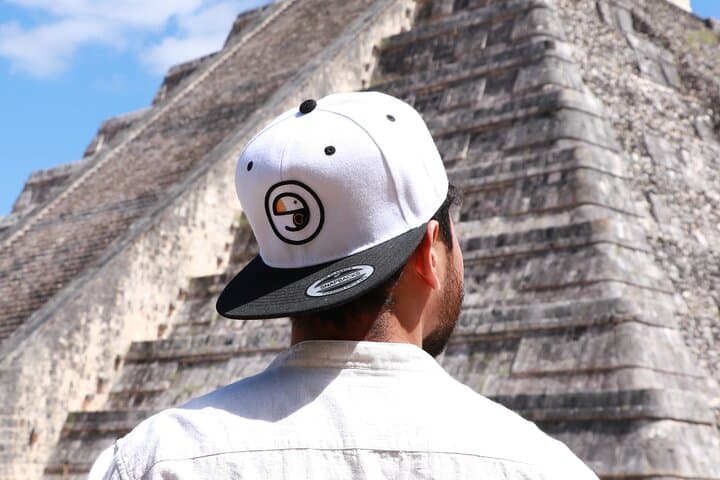
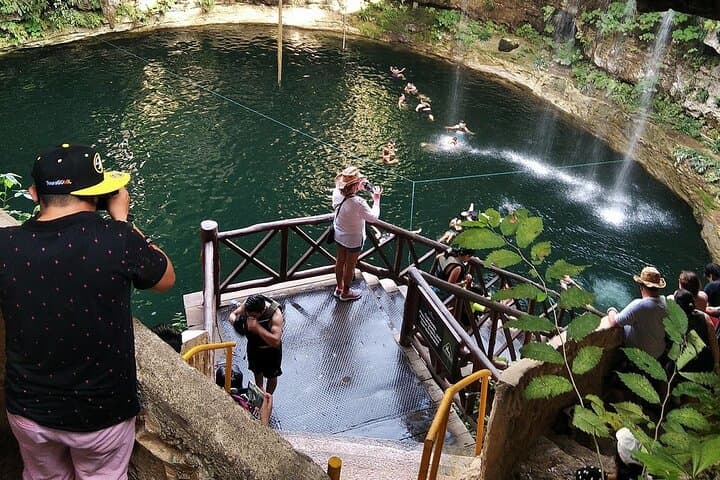
The second day shifts inland. Chichén Itzá rises from the scrub as a stone city of angles—El Castillo dominates the plaza, its steps calibrated to solar events that still draw crowds at the equinox. The ancient cenotes nearby offer a very different kind of cool; sinkhole water here is clear, often around 24–26°C, fed by a vast underground river system carved from porous limestone over millennia.
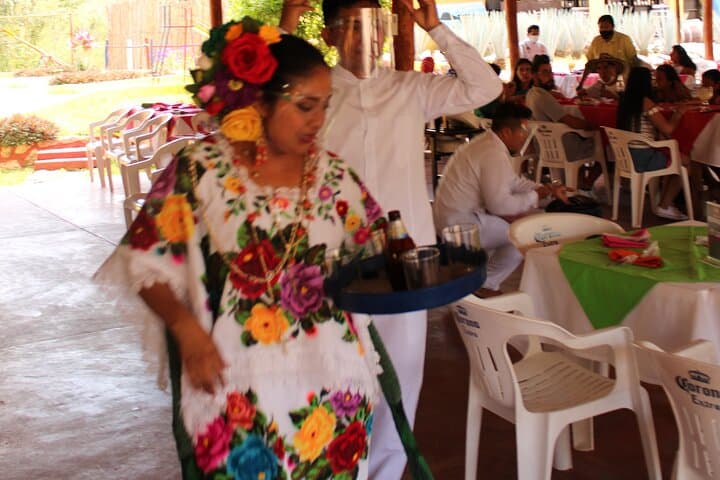
Between sea and stone the region’s history is immediate: Classic- and Postclassic-period Maya architecture, colonial Valladolid’s painted facades and church towers, and a living culinary tradition of cochinita and lime-scented dishes. Geologically, the peninsula is karst—flat, low-elevation, with little elevation gain on hikes but plenty of subterranean channels.
Practical guide: expect roughly 2–2.5 hours drive each way from Cancún to Chichén Itzá; catamaran crossings to Isla Mujeres are typically 30–45 minutes. Bring reef-safe sunscreen and a change of clothes for cenote swims, budget an extra US$15 port/harbor tax noted on many departures, and wear sturdy walking shoes for uneven stone at archaeological zones.
Timing matters—arrive early at Chichén Itzá to avoid the heat and midday crowds; plan an hour or two for the cenote to swim and rinse off salt. This two-day combination pairs coastal leisure with one of Mexico’s most iconic archaeological visits—simple logistics, high payoff.
easy.
2 days.
Suitable for most fitness levels; able to walk 1–2 hours across uneven, flat archaeological surfaces and climb short stairways.
Most departures include hotel pickup in Cancún and the Riviera Maya; confirm your pickup point when booking and note some locations may require a meeting point or extra fee for Tulum pickups.
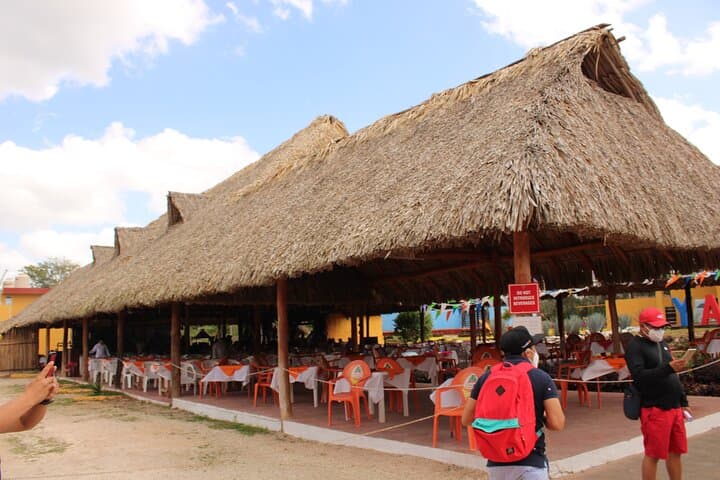
Yes, the tour price generally includes entrance to Chichén Itzá and the specified cenote, as well as a reserved buffet lunch; verify exact inclusions on confirmation.
Some operators charge a port/harbor tax for catamaran departures (commonly around US$15); keep small cash on hand for these local fees.
The tour lists wheelchair-accessible transport and sites, but Chichén Itzá features uneven terrain and steps—check specific accessibility needs with the operator beforehand.
Chichén Itzá was a major Maya city and ceremonial center; El Castillo aligns with solar events that create the illusion of a descending snake during equinoxes.
Visitors are encouraged to use reef-safe products, avoid touching fragile ruins, and support local guides and community-run cenote sites to help preserve natural and cultural resources.
Toursgomx operates guided outdoor trips and adventures with an emphasis on safety, stewardship, and memorable experiences.
A warm sea breeze carries the salt and spray as the first day begins on the Caribbean: a catamaran lifts off Cancún’s marina and cuts a clean blue path toward Isla Mujeres while the limestone horizon of the Yucatán sleeps low and flat behind you.
A warm sea breeze carries the salt and spray as the first day begins on the Caribbean: a catamaran lifts off Cancún’s marina and cuts a clean blue path toward Isla Mujeres while the limestone horizon of the Yucatán sleeps low and flat behind you.
The second day shifts inland. Chichén Itzá rises from the scrub as a stone city of angles—El Castillo dominates the plaza, its steps calibrated to solar events that still draw crowds at the equinox. The ancient cenotes nearby offer a very different kind of cool; sinkhole water here is clear, often around 24–26°C, fed by a vast underground river system carved from porous limestone over millennia.
Between sea and stone the region’s history is immediate: Classic- and Postclassic-period Maya architecture, colonial Valladolid’s painted facades and church towers, and a living culinary tradition of cochinita and lime-scented dishes. Geologically, the peninsula is karst—flat, low-elevation, with little elevation gain on hikes but plenty of subterranean channels.
Practical guide: expect roughly 2–2.5 hours drive each way from Cancún to Chichén Itzá; catamaran crossings to Isla Mujeres are typically 30–45 minutes. Bring reef-safe sunscreen and a change of clothes for cenote swims, budget an extra US$15 port/harbor tax noted on many departures, and wear sturdy walking shoes for uneven stone at archaeological zones.
Timing matters—arrive early at Chichén Itzá to avoid the heat and midday crowds; plan an hour or two for the cenote to swim and rinse off salt. This two-day combination pairs coastal leisure with one of Mexico’s most iconic archaeological visits—simple logistics, high payoff.