THE ADVENTURE COLLECTIVE® · Independent discovery and booking for outdoor travel

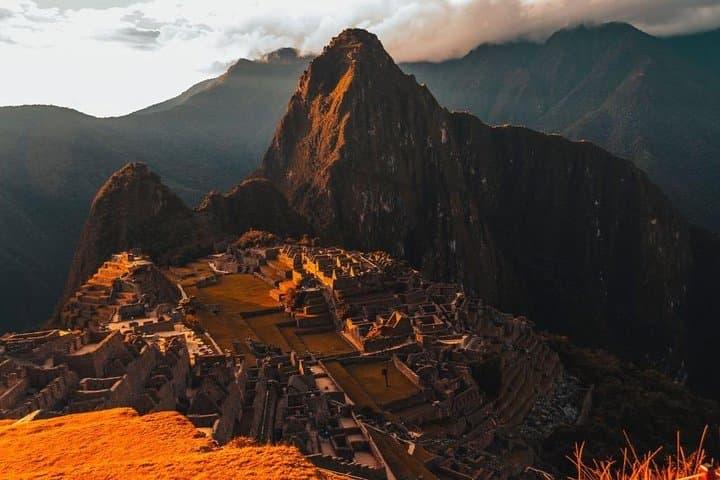
Short on time but not ambition: this two-day Inca Trail route from km 104 delivers classic stone staircases, Wiñaywayna terraces and sunrise at Machu Picchu via the Sun Gate. Expect steep climbs, cloud-forest microclimates and an unforgettable dawn arrival.
Short on time but not ambition: this two-day Inca Trail route from km 104 delivers classic stone staircases, Wiñaywayna terraces and sunrise at Machu Picchu via the Sun Gate. Expect steep climbs, cloud-forest microclimates and an unforgettable dawn arrival.
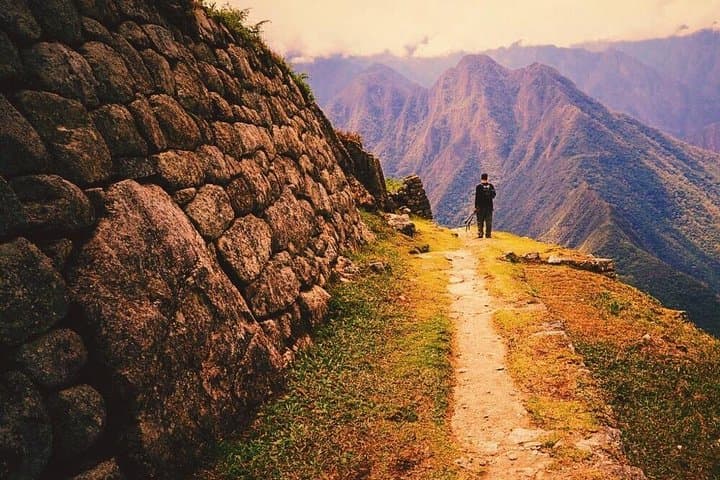
Dawn breaks over the cloud forest and the train window frames steep, green terraces as you step off at km 104 — the short Inca Trail’s true starting bell. The path climbs through orchids, carved stone steps and dripping moss, following the Urubamba River’s whispered course as it dares you higher toward Intipunku, the Sun Gate. By late afternoon the stonework of Wiñaywayna appears, a sequence of terraces and buildings that point back to a civilization fluent in engineering and ritual.
Verified experiences and guided adventures in the surrounding area.
Operated by PaRa Travels · Cusco, Cusco Region
Dawn breaks over the cloud forest and the train window frames steep, green terraces as you step off at km 104 — the short Inca Trail’s true starting bell. The path climbs through orchids, carved stone steps and dripping moss, following the Urubamba River’s whispered course as it dares you higher toward Intipunku, the Sun Gate. By late afternoon the stonework of Wiñaywayna appears, a sequence of terraces and buildings that point back to a civilization fluent in engineering and ritual.
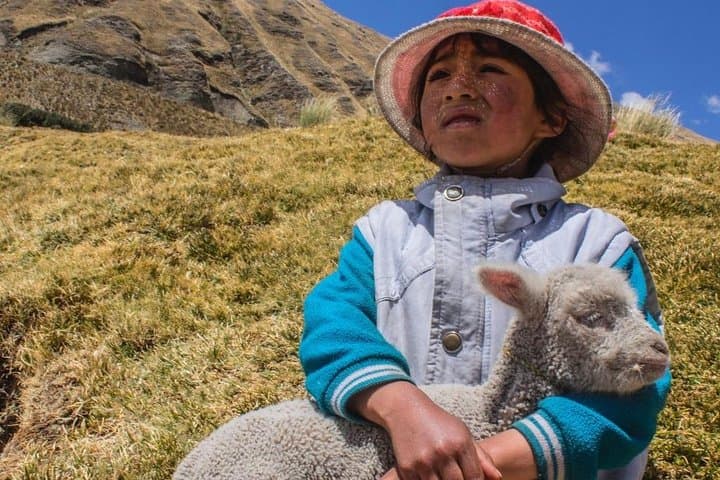
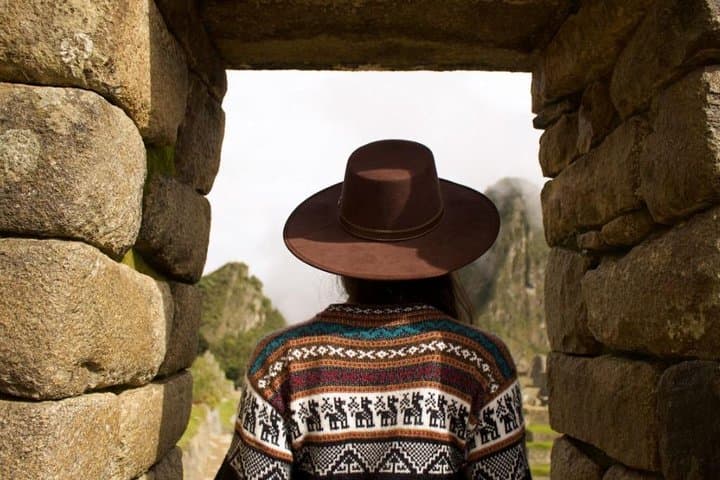
This two-day itinerary compresses the broader Inca road network — once a 40,000 km arterial system — into a concentrated corridor of archaeology, cloud-forest geology and Andean culture. The trail traces metamorphic and volcanic bedrock shaped by tectonic uplift; microclimates here support hummingbirds and the flash of the Andean cock-of-the-rock. Local communities in the Sacred Valley still weave and farm on terraces first cut by Inca hands.
Practically, expect an 8 km ascent from about 2,150 m to 2,650 m with steep stone steps and narrow cliffside paths; altitude, not technical difficulty, is the chief challenge. Night one is in Aguas Calientes (hostel), leaving an early start for sunrise at Machu Picchu and a two-hour guided window inside the citadel. Bring layered clothing for cool, wet mornings and sun by midday, sturdy boots for uneven stone, and water for sections without reliable sources.
Timing matters: the dry season yields clearer views, while rainy months make stone slabs slippery. Move deliberately uphill, respect permitted time limits inside Machu Picchu, and leave no trace — the trail’s archaeology and fragile cloud forest depend on low-impact travel.
moderate.
2 days.
Comfortable walking fitness; able to manage sustained uphill sections and stair climbs at altitude
Yes — this tour includes the Machu Picchu entrance ticket and a professional English-speaking guide.
This 2-day hike uses the official Inca Trail corridor and operators secure required permits and tickets; book months in advance during peak season.
The route is steep with stone steps but not technical; the main challenges are sustained ascent and altitude rather than technical climbing.
Yes — you can take a ~30-minute bus or walk about 1.5 hours to Machu Picchu; bus seats are often included or available for a fee.
The trail is part of the imperial Inca road network that connected Cuzco to far-flung provinces; Machu Picchu itself is an imperial estate and religious center from the 15th century.
Visitor limits and timed entry aim to protect fragile stonework and cloud-forest; stick to trails, avoid single-use plastics, and follow guide instructions.
PaRa Travels operates guided outdoor trips and adventures with an emphasis on safety, stewardship, and memorable experiences.
Dawn breaks over the cloud forest and the train window frames steep, green terraces as you step off at km 104 — the short Inca Trail’s true starting bell. The path climbs through orchids, carved stone steps and dripping moss, following the Urubamba River’s whispered course as it dares you higher toward Intipunku, the Sun Gate. By late afternoon the stonework of Wiñaywayna appears, a sequence of terraces and buildings that point back to a civilization fluent in engineering and ritual.
Dawn breaks over the cloud forest and the train window frames steep, green terraces as you step off at km 104 — the short Inca Trail’s true starting bell. The path climbs through orchids, carved stone steps and dripping moss, following the Urubamba River’s whispered course as it dares you higher toward Intipunku, the Sun Gate. By late afternoon the stonework of Wiñaywayna appears, a sequence of terraces and buildings that point back to a civilization fluent in engineering and ritual.
This two-day itinerary compresses the broader Inca road network — once a 40,000 km arterial system — into a concentrated corridor of archaeology, cloud-forest geology and Andean culture. The trail traces metamorphic and volcanic bedrock shaped by tectonic uplift; microclimates here support hummingbirds and the flash of the Andean cock-of-the-rock. Local communities in the Sacred Valley still weave and farm on terraces first cut by Inca hands.
Practically, expect an 8 km ascent from about 2,150 m to 2,650 m with steep stone steps and narrow cliffside paths; altitude, not technical difficulty, is the chief challenge. Night one is in Aguas Calientes (hostel), leaving an early start for sunrise at Machu Picchu and a two-hour guided window inside the citadel. Bring layered clothing for cool, wet mornings and sun by midday, sturdy boots for uneven stone, and water for sections without reliable sources.
Timing matters: the dry season yields clearer views, while rainy months make stone slabs slippery. Move deliberately uphill, respect permitted time limits inside Machu Picchu, and leave no trace — the trail’s archaeology and fragile cloud forest depend on low-impact travel.