THE ADVENTURE COLLECTIVE® · Independent discovery and booking for outdoor travel

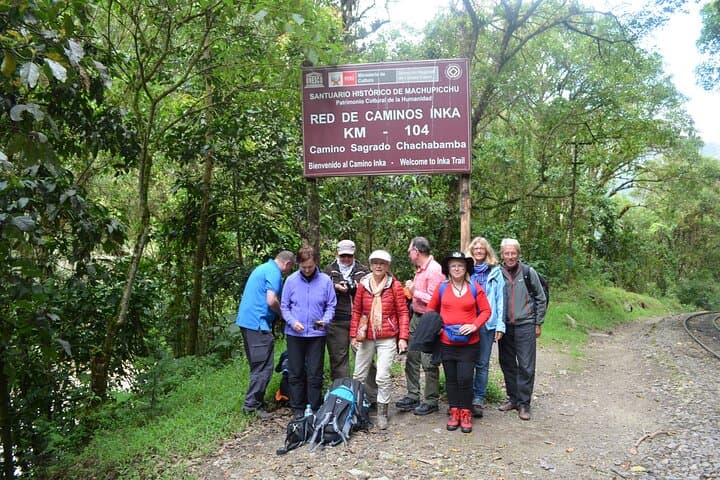
Short on time but hungry for the real thing? This two-day Inca Trail route leads from kilometer 104 to the Sun Gate, delivering Machu Picchu’s first views on foot. It pairs intense, high-altitude hiking with a guided visit to the citadel.
Short on time but hungry for the real thing? This two-day Inca Trail route leads from kilometer 104 to the Sun Gate, delivering Machu Picchu’s first views on foot. It pairs intense, high-altitude hiking with a guided visit to the citadel.
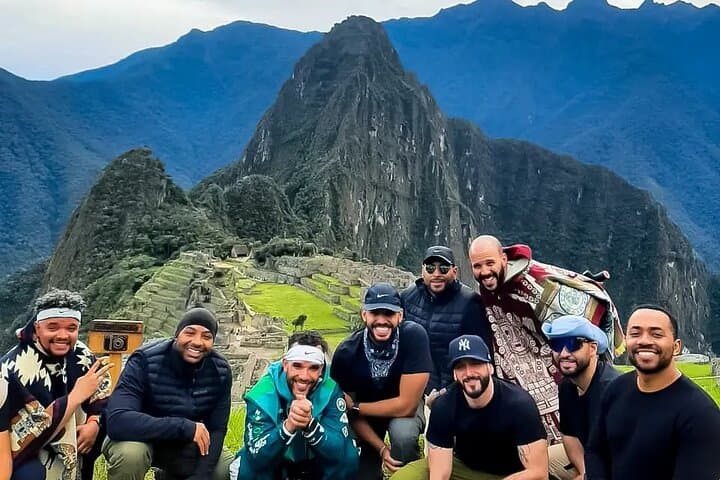
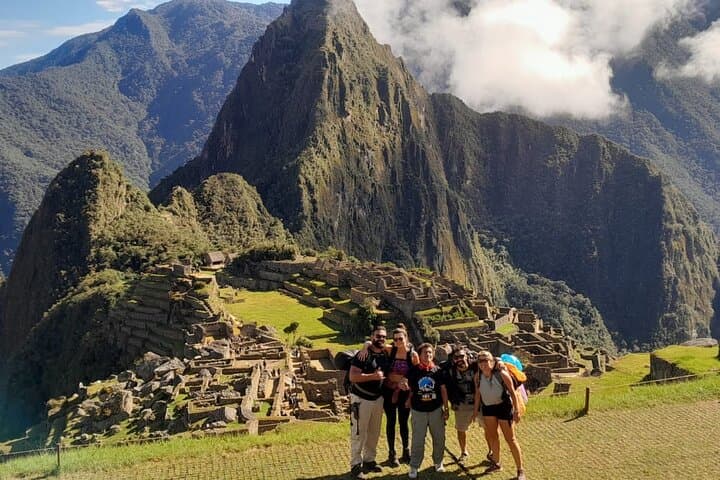
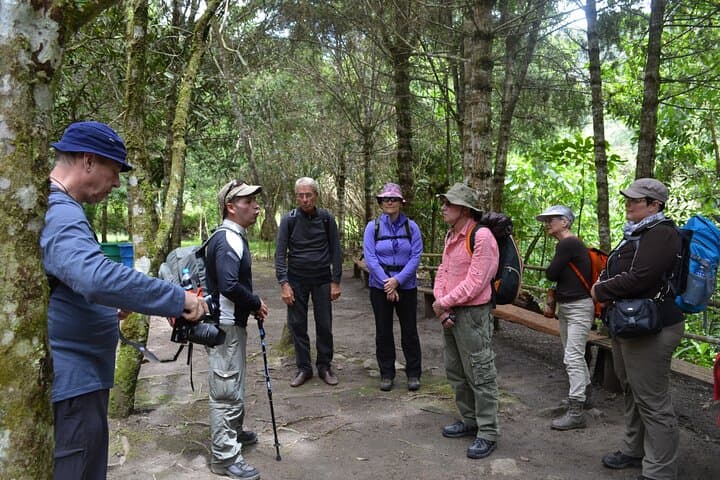
A thin mist peels off the Urubamba Valley as you step onto the ancient stone causeway at kilometer 104. The trail climbs with purpose, switchbacks threading through cloud forest where orchids cling to mossy walls and birds voice the route ahead. By late afternoon the Sun Gate (Inti Punku) frames Machu Picchu like a sudden revelation; the citadel sits quiet below, waiting.
Verified experiences and guided adventures in the surrounding area.
Operated by Tangol · Aguas Calientes (Machu Picchu Pueblo), Cusco
A thin mist peels off the Urubamba Valley as you step onto the ancient stone causeway at kilometer 104. The trail climbs with purpose, switchbacks threading through cloud forest where orchids cling to mossy walls and birds voice the route ahead. By late afternoon the Sun Gate (Inti Punku) frames Machu Picchu like a sudden revelation; the citadel sits quiet below, waiting.
The short Inca Trail follows original paved ramps and stairways laid by engineers of the Tawantinsuyu to link highland communities with the sacred city. Geologically the path traces steep Andean folds dropping into a canyon carved by the Urubamba River, where microclimates switch from high Andean scrub to humid montane forest. Culturally the route threads living Quechua communities and terraces that still whisper ancient agricultural practices.
Expect 6–8 hours of walking on day one over roughly 12 km with sustained climbs and stone steps; day two begins early with a guided tour of Machu Picchu and optional scrambles to Huayna Picchu or Machu Picchu Mountain. The air is thin—altitude and sudden weather shifts are part of the story—so pace conservatively, hydrate, and layer. Permits are limited and the trail closes for maintenance in February; book well in advance. A lightweight pack, sturdy footwear, and rain protection make the hike practical and pleasant. On arrival, let the citadel absorb you: terraces, plazas and the Intihuatana stone narrate a civilization that built a road to the sky.
moderate.
2 days (approx. 6–8 hours hiking day 1, guided visit day 2).
Moderate fitness—regular walkers who can handle sustained climbs and stair sections at altitude will do best.
Yes. The Inca Trail requires a government permit that tour operators secure; permits are limited and the trail closes for maintenance in February.
Moderately challenging—expect steep stone stairways and 6–8 hours of hiking on the first day; altitude increases perceived exertion.
Huayna Picchu is optional and requires a separate ticket with limited daily slots—book in advance if you want to climb it on day two.
Typical inclusions are round-trip train, bus to Machu Picchu, transfers from Cusco, box lunch and dinner on day one, a hotel in Aguas Calientes (comfort service), and a guided tour of Machu Picchu.
The Inca Trail connected settlements across the empire; Machu Picchu was brought to international attention by Hiram Bingham in 1911 and became a UNESCO site in 1983.
Permits limit daily hikers to protect fragile trails and archaeology; stick to established paths, pack out waste, and respect local communities to reduce impact.
Tangol operates guided outdoor trips and adventures with an emphasis on safety, stewardship, and memorable experiences.
A thin mist peels off the Urubamba Valley as you step onto the ancient stone causeway at kilometer 104. The trail climbs with purpose, switchbacks threading through cloud forest where orchids cling to mossy walls and birds voice the route ahead. By late afternoon the Sun Gate (Inti Punku) frames Machu Picchu like a sudden revelation; the citadel sits quiet below, waiting.
A thin mist peels off the Urubamba Valley as you step onto the ancient stone causeway at kilometer 104. The trail climbs with purpose, switchbacks threading through cloud forest where orchids cling to mossy walls and birds voice the route ahead. By late afternoon the Sun Gate (Inti Punku) frames Machu Picchu like a sudden revelation; the citadel sits quiet below, waiting.
The short Inca Trail follows original paved ramps and stairways laid by engineers of the Tawantinsuyu to link highland communities with the sacred city. Geologically the path traces steep Andean folds dropping into a canyon carved by the Urubamba River, where microclimates switch from high Andean scrub to humid montane forest. Culturally the route threads living Quechua communities and terraces that still whisper ancient agricultural practices.
Expect 6–8 hours of walking on day one over roughly 12 km with sustained climbs and stone steps; day two begins early with a guided tour of Machu Picchu and optional scrambles to Huayna Picchu or Machu Picchu Mountain. The air is thin—altitude and sudden weather shifts are part of the story—so pace conservatively, hydrate, and layer. Permits are limited and the trail closes for maintenance in February; book well in advance. A lightweight pack, sturdy footwear, and rain protection make the hike practical and pleasant. On arrival, let the citadel absorb you: terraces, plazas and the Intihuatana stone narrate a civilization that built a road to the sky.