THE ADVENTURE COLLECTIVE® · Independent discovery and booking for outdoor travel

A compact version of the classic Inca Trail, this 2-day trek from Km 104 condenses Incan archaeology, cloud-forest scenery, and high-Andean terrain into a fast, rewarding itinerary. Read on for what to expect and how to prepare.
A compact version of the classic Inca Trail, this 2-day trek from Km 104 condenses Incan archaeology, cloud-forest scenery, and high-Andean terrain into a fast, rewarding itinerary. Read on for what to expect and how to prepare.
Dawn breaks over the Urubamba Valley and the train slides past terraced slopes as you transfer from Cusco to Km 104. Step off the rails and the trail pulls you forward—stone staircases, narrow Inca causeways and the loose, mossy edges of ancient paths that still remember footfalls from centuries ago.
Verified experiences and guided adventures in the surrounding area.
Operated by Incatrekkers Day Tours · Aguas Calientes, Cusco
Dawn breaks over the Urubamba Valley and the train slides past terraced slopes as you transfer from Cusco to Km 104. Step off the rails and the trail pulls you forward—stone staircases, narrow Inca causeways and the loose, mossy edges of ancient paths that still remember footfalls from centuries ago.
The two-day Inca Trail compresses the essence of the classic route: Incan stonework, agricultural terraces carved into volcanic slopes, and glimpses of cloud forest that clings to steep ridgelines. Geologically, you hike over folded Andean bedrock and glacially sculpted valleys; culturally, the route threads sites like Wiñay Wayna and the Sun Gate, both engineered to align with sacred mountain vistas and solar observation.
Locals from the Sacred Valley have shepherded travelers here for decades; guides explain the agricultural and spiritual logic etched into terraces and temple stones. Wildlife is quietly present—hummingbirds dart, and spectacled bears and Andean foxes maintain distant habits.
Practically, this is a short, altitude-driven trek rather than a technical climb. Expect 13 km of hiking spread over two days with steep stone steps and frequent elevation changes; pack for rain even in the dry season, and move at a steady pace to manage 2,400–4,000 m elevations. Hydrate, layer for big temperature swings, and use trekking poles to protect knees on the descents.
Logistics: trains run between Ollantaytambo and Aguas Calientes, and the second morning’s early ascent to Machu Picchu rewards those who arrive before crowds. Book permits and entrance tickets in advance, and plan for basic accommodations in Aguas Calientes the first night.
moderate.
2 days (total itinerary across trains and hikes).
Moderate fitness; able to hike 5–8 hours over mixed terrain at altitude.
Yes—access to the Inca Trail and entrance to Machu Picchu require tickets; many operators include these in the package, but always confirm when booking.
The route is moderate but altitude (2,400–4,200 m) is the main challenge; allow acclimatization time in Cusco and monitor for symptoms of AMS.
Guided tours commonly bundle Machu Picchu entrance and train tickets; check the operator’s inclusions and carry passport details required for ticket issuance.
Sturdy, broken-in hiking boots with good traction are recommended—many trail sections are steep stone steps that get slippery when wet.
The Inca Trail is a segment of the greater Qhapaq Ñan network, engineered by the Inca to link administrative centers, temples and sacred mountains across the Andes.
Strict visitor quotas and regulated guide requirements limit impact; stick to paths, pack out waste, and respect permit rules to protect fragile archaeological sites.
Incatrekkers Day Tours operates guided outdoor trips and adventures with an emphasis on safety, stewardship, and memorable experiences.
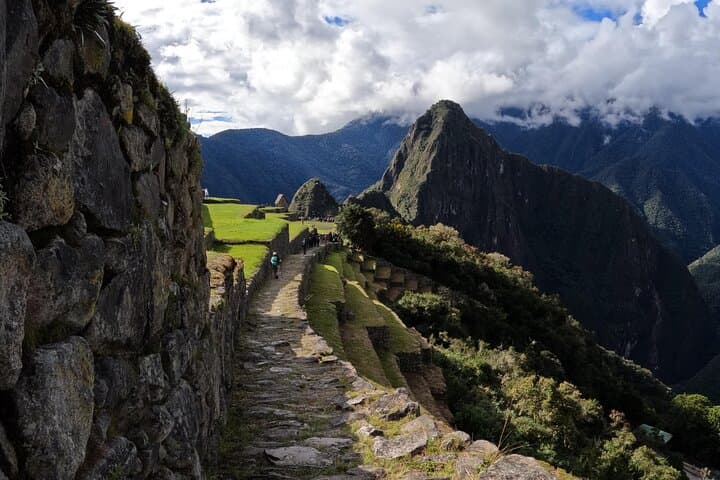
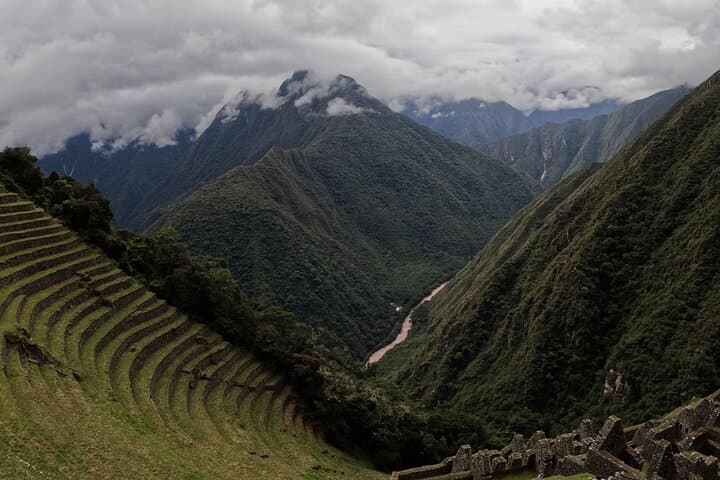
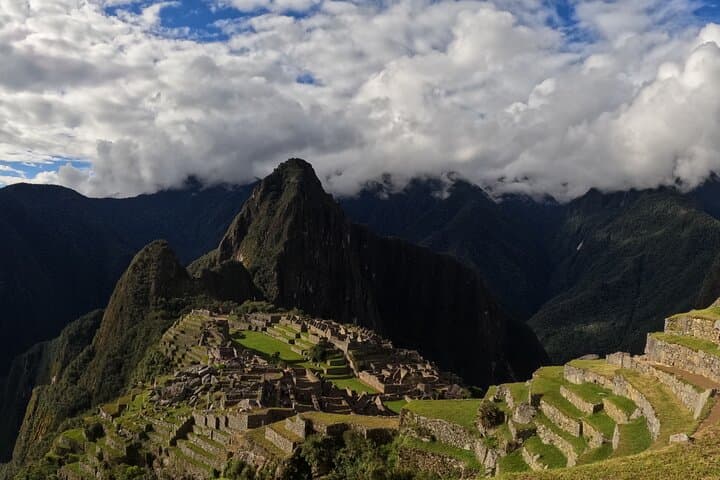
Dawn breaks over the Urubamba Valley and the train slides past terraced slopes as you transfer from Cusco to Km 104. Step off the rails and the trail pulls you forward—stone staircases, narrow Inca causeways and the loose, mossy edges of ancient paths that still remember footfalls from centuries ago.
Dawn breaks over the Urubamba Valley and the train slides past terraced slopes as you transfer from Cusco to Km 104. Step off the rails and the trail pulls you forward—stone staircases, narrow Inca causeways and the loose, mossy edges of ancient paths that still remember footfalls from centuries ago.
The two-day Inca Trail compresses the essence of the classic route: Incan stonework, agricultural terraces carved into volcanic slopes, and glimpses of cloud forest that clings to steep ridgelines. Geologically, you hike over folded Andean bedrock and glacially sculpted valleys; culturally, the route threads sites like Wiñay Wayna and the Sun Gate, both engineered to align with sacred mountain vistas and solar observation.
Locals from the Sacred Valley have shepherded travelers here for decades; guides explain the agricultural and spiritual logic etched into terraces and temple stones. Wildlife is quietly present—hummingbirds dart, and spectacled bears and Andean foxes maintain distant habits.
Practically, this is a short, altitude-driven trek rather than a technical climb. Expect 13 km of hiking spread over two days with steep stone steps and frequent elevation changes; pack for rain even in the dry season, and move at a steady pace to manage 2,400–4,000 m elevations. Hydrate, layer for big temperature swings, and use trekking poles to protect knees on the descents.
Logistics: trains run between Ollantaytambo and Aguas Calientes, and the second morning’s early ascent to Machu Picchu rewards those who arrive before crowds. Book permits and entrance tickets in advance, and plan for basic accommodations in Aguas Calientes the first night.