THE ADVENTURE COLLECTIVE® · Independent discovery and booking for outdoor travel

Short on time but keen to walk the classic Inca route? This 2-day itinerary hops the historic 12 km trail to Machu Picchu, finishes with a guided tour of the citadel, and gives time for independent exploration or Huayna Picchu if arranged ahead.
Short on time but keen to walk the classic Inca route? This 2-day itinerary hops the historic 12 km trail to Machu Picchu, finishes with a guided tour of the citadel, and gives time for independent exploration or Huayna Picchu if arranged ahead.
Dawn spreads cold light over the highland jungle as you step onto the old railroad at Km 104, the Andes breathing mist across the trail. The path threads past stepped terraces and mossed stone, climbing under cloud-forest canopy until the first view of Machu Picchu appears through the ceremonial gate at Inti Punku. The citadel holds its quiet gravity; terraces and stairways seem to push visitors forward, urging exploration.
Verified experiences and guided adventures in the surrounding area.
Operated by Lares Trip · Aguas Calientes, Cusco
Dawn spreads cold light over the highland jungle as you step onto the old railroad at Km 104, the Andes breathing mist across the trail. The path threads past stepped terraces and mossed stone, climbing under cloud-forest canopy until the first view of Machu Picchu appears through the ceremonial gate at Inti Punku. The citadel holds its quiet gravity; terraces and stairways seem to push visitors forward, urging exploration.
The route follows a fragment of the famous Qhapaq Ñan, the Inca road system built in the 15th century to connect the empire. Geologically, you’re walking on folded Andean rock and volcanic soils where steep ridges drop into river canyons. Local Quechua communities still tend highland farms and maintain ancestral techniques — you’ll notice terracing patterns and stonework that mirror the citadel’s architecture.
Expect roughly 12 kilometers of hiking on Day 1 with several steep sections and short stair climbs; Machu Picchu sits at about 2,430 m (7,970 ft). The second day begins early with a short bus ride to the citadel and a 2-hour guided tour followed by free time to climb Huayna Picchu or explore independently.
Practical guidance: allow 1–2 days in Cusco beforehand to acclimatize, carry layers for rapid weather shifts, and reserve permits for mountain climbs well in advance. Good footwear, 1.5–2 liters of water, and a small first-aid kit make the difference between a tough day and an unforgettable one. Move deliberately on stone steps — the trail rewards patience with views that pull you forward and moments that demand quiet attention.
moderate.
2 days.
Moderate fitness: regular walkers who can handle sustained uphill sections and stairs at altitude will be comfortable.
This itinerary uses the short Inca Trail section from Km 104 and includes access to the trail and guided entry to Machu Picchu; permits for Huayna Picchu or Machu Picchu Mountain must be booked separately if you plan to climb them.
Expect intermittent steep sections and stone stair climbs over ~12 km; it’s moderate in effort but feels harder at altitude, so pacing and hydration are key.
Most operators provide transport of large luggage between Cusco and Ollantaytambo; smaller daypacks are recommended on the hike — check pickup/drop-off details with your provider.
The cloud forest is humid with frequent rain; temperatures range from cool mornings (near freezing at higher spots) to mild afternoons — layerable clothing and a rain shell are recommended.
The Inca Trail is part of the larger Qhapaq Ñan network built by the Incas in the 15th century to link administrative and ceremonial centers, culminating at Machu Picchu.
Machu Picchu limits daily visitor numbers and enforces rules on trail use; stay on marked paths, avoid single-use plastics, and follow local guidance to minimize impact.
Lares Trip operates guided outdoor trips and adventures with an emphasis on safety, stewardship, and memorable experiences.
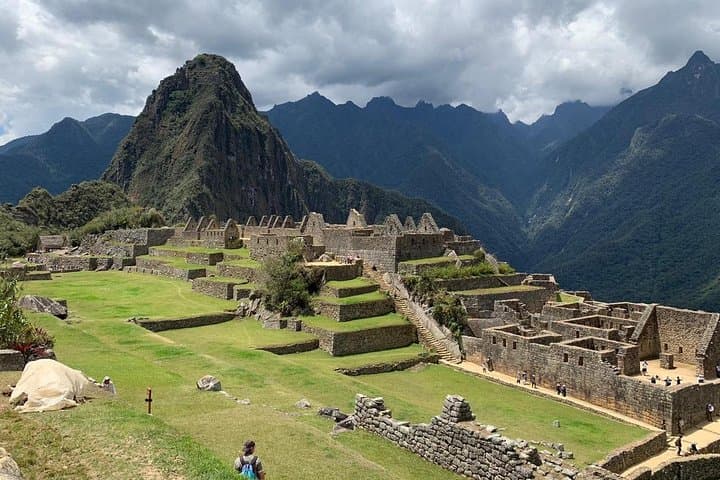
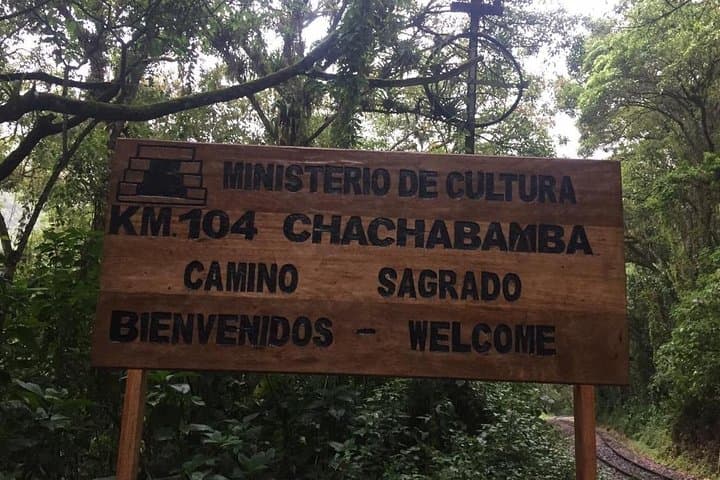
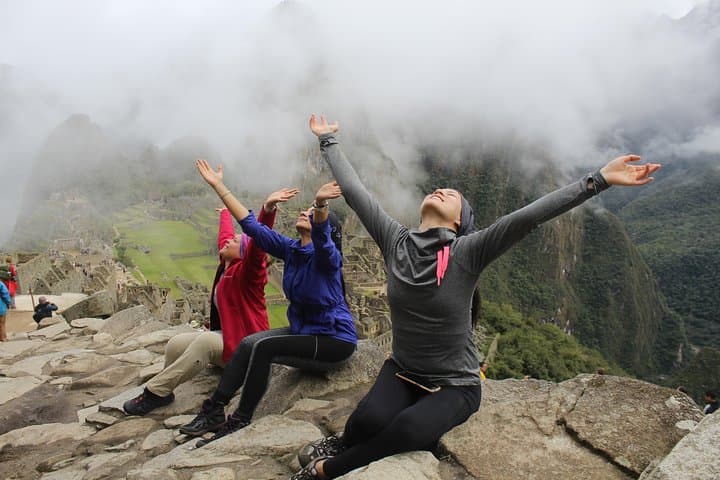
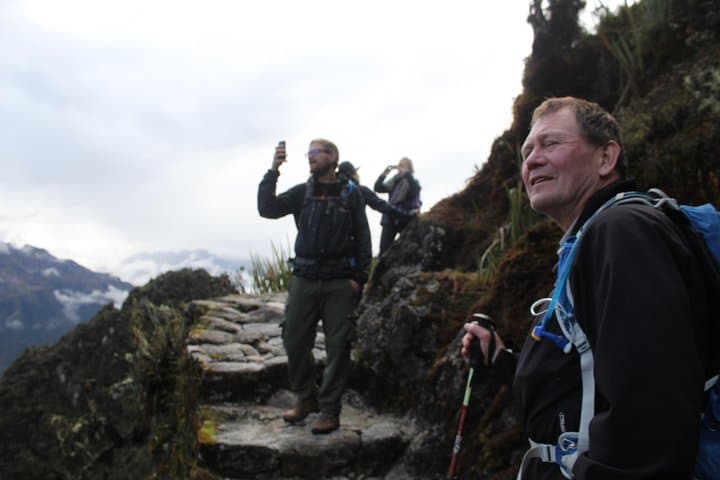
Dawn spreads cold light over the highland jungle as you step onto the old railroad at Km 104, the Andes breathing mist across the trail. The path threads past stepped terraces and mossed stone, climbing under cloud-forest canopy until the first view of Machu Picchu appears through the ceremonial gate at Inti Punku. The citadel holds its quiet gravity; terraces and stairways seem to push visitors forward, urging exploration.
Dawn spreads cold light over the highland jungle as you step onto the old railroad at Km 104, the Andes breathing mist across the trail. The path threads past stepped terraces and mossed stone, climbing under cloud-forest canopy until the first view of Machu Picchu appears through the ceremonial gate at Inti Punku. The citadel holds its quiet gravity; terraces and stairways seem to push visitors forward, urging exploration.
The route follows a fragment of the famous Qhapaq Ñan, the Inca road system built in the 15th century to connect the empire. Geologically, you’re walking on folded Andean rock and volcanic soils where steep ridges drop into river canyons. Local Quechua communities still tend highland farms and maintain ancestral techniques — you’ll notice terracing patterns and stonework that mirror the citadel’s architecture.
Expect roughly 12 kilometers of hiking on Day 1 with several steep sections and short stair climbs; Machu Picchu sits at about 2,430 m (7,970 ft). The second day begins early with a short bus ride to the citadel and a 2-hour guided tour followed by free time to climb Huayna Picchu or explore independently.
Practical guidance: allow 1–2 days in Cusco beforehand to acclimatize, carry layers for rapid weather shifts, and reserve permits for mountain climbs well in advance. Good footwear, 1.5–2 liters of water, and a small first-aid kit make the difference between a tough day and an unforgettable one. Move deliberately on stone steps — the trail rewards patience with views that pull you forward and moments that demand quiet attention.